“Experience the Vinyl Feel with DTF Transfer Film Glossy!” -MAXDTF- DTF Transfer sticker Supplier, DTF gang sheets Manufacturer, Made in china
In the realm of custom garment decoration and print applications, glossy finishes are highly sought after for their ability to make designs stand out with vibrancy and a premium look. Two popular materials that deliver glossy aesthetics are glossy DTF (Direct-to-Film) transfer film and vinyl (Heat Transfer Vinyl, HTV). A common question among printers, designers, and business owners is: “Does DTF transfer film glossy feel like vinyl?” While both can produce shiny, eye-catching prints, their tactile properties—rooted in their material composition, structure, and application processes—differ significantly. This article explores the similarities and differences in the feel of glossy DTF transfer film and vinyl, breaking down the factors that shape their tactile experiences and helping readers distinguish between the two.
Foundations of Tactile Feel: Material Composition & Structure
The tactile experience of any printed material is fundamentally determined by its composition and layered structure. Glossy DTF transfer film and vinyl are engineered with distinct materials and structures, which lay the groundwork for their differing feels.
1. Glossy DTF Transfer Film: Thin, Ink-Integrated Layers
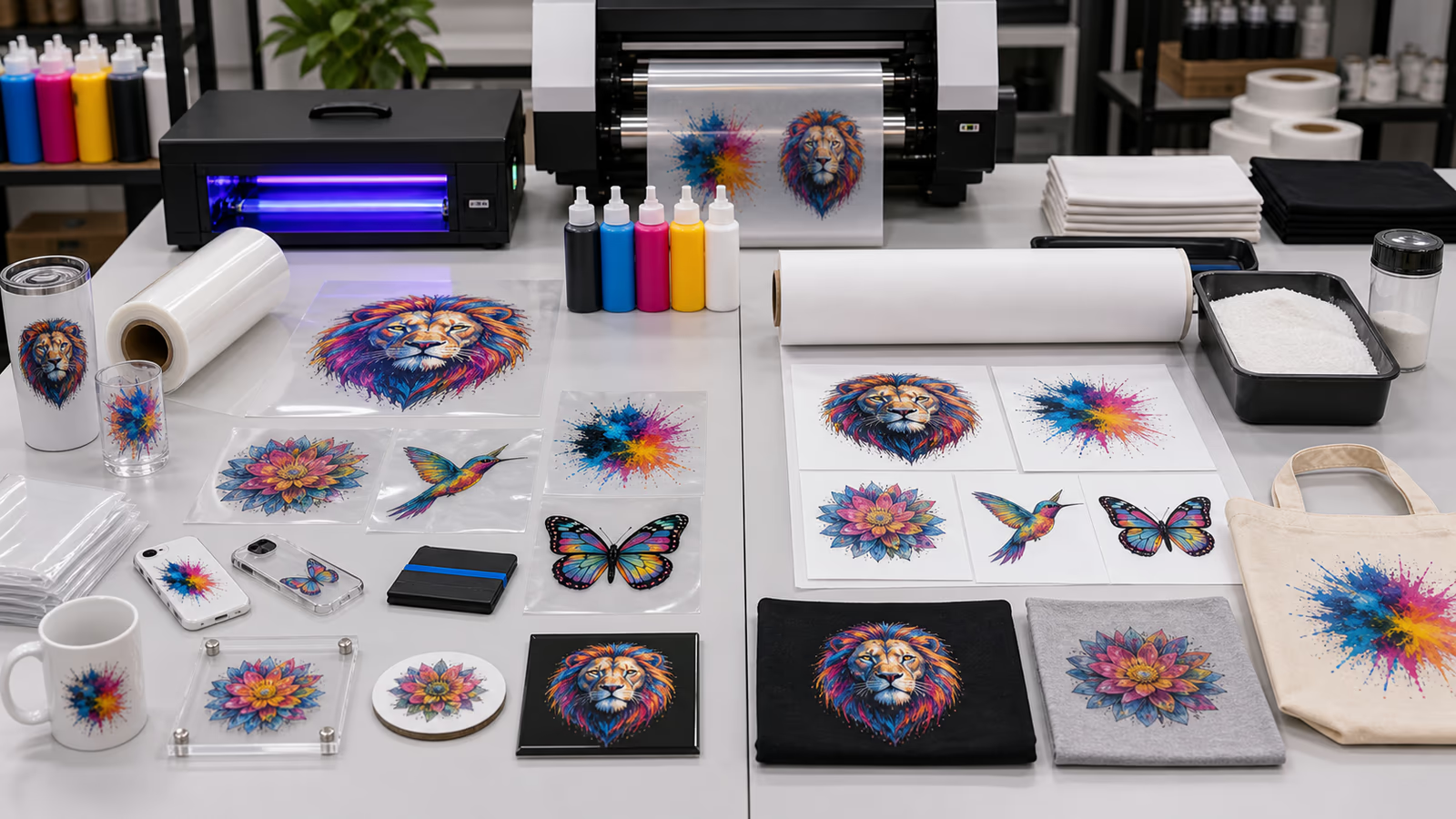
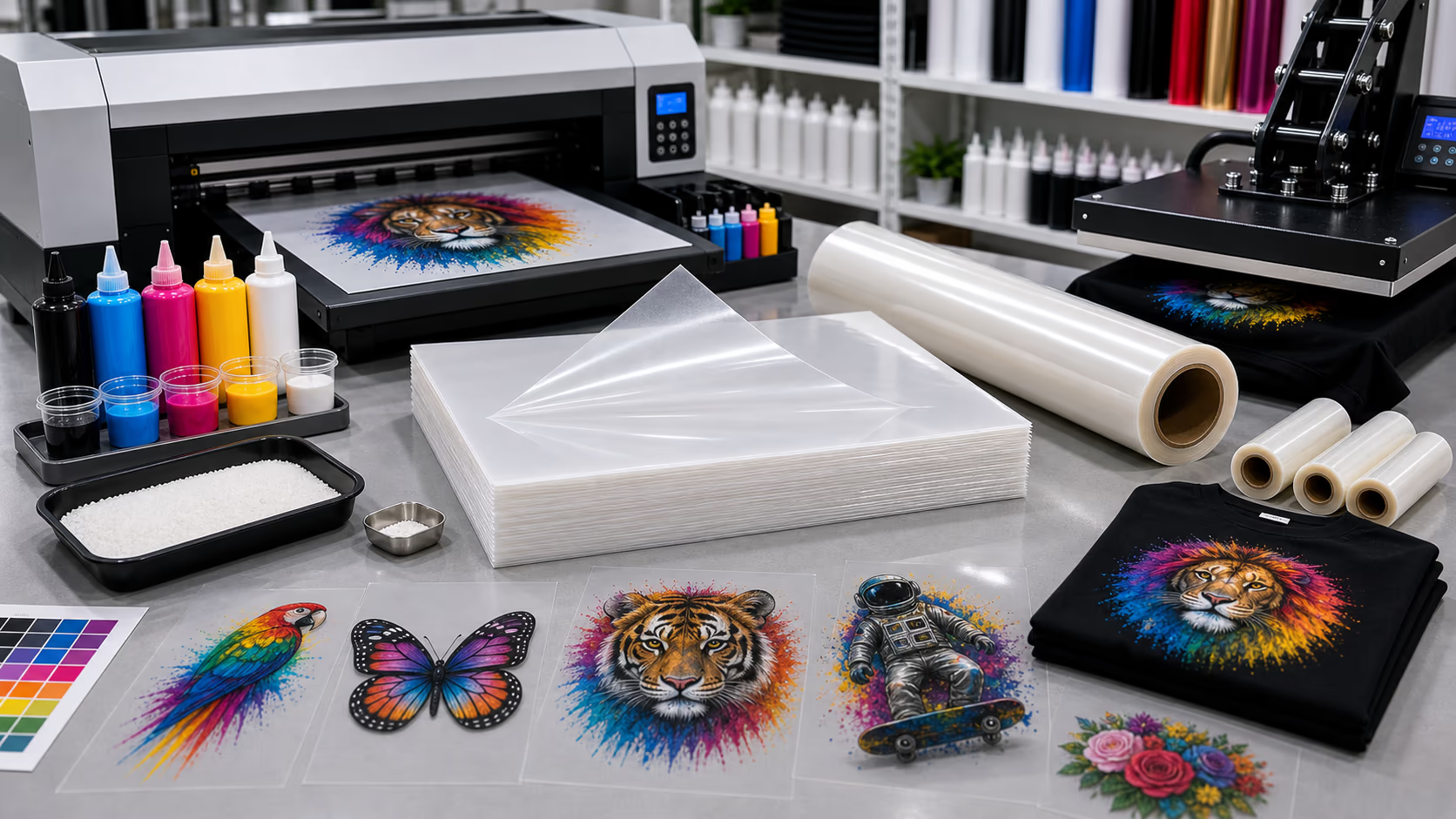
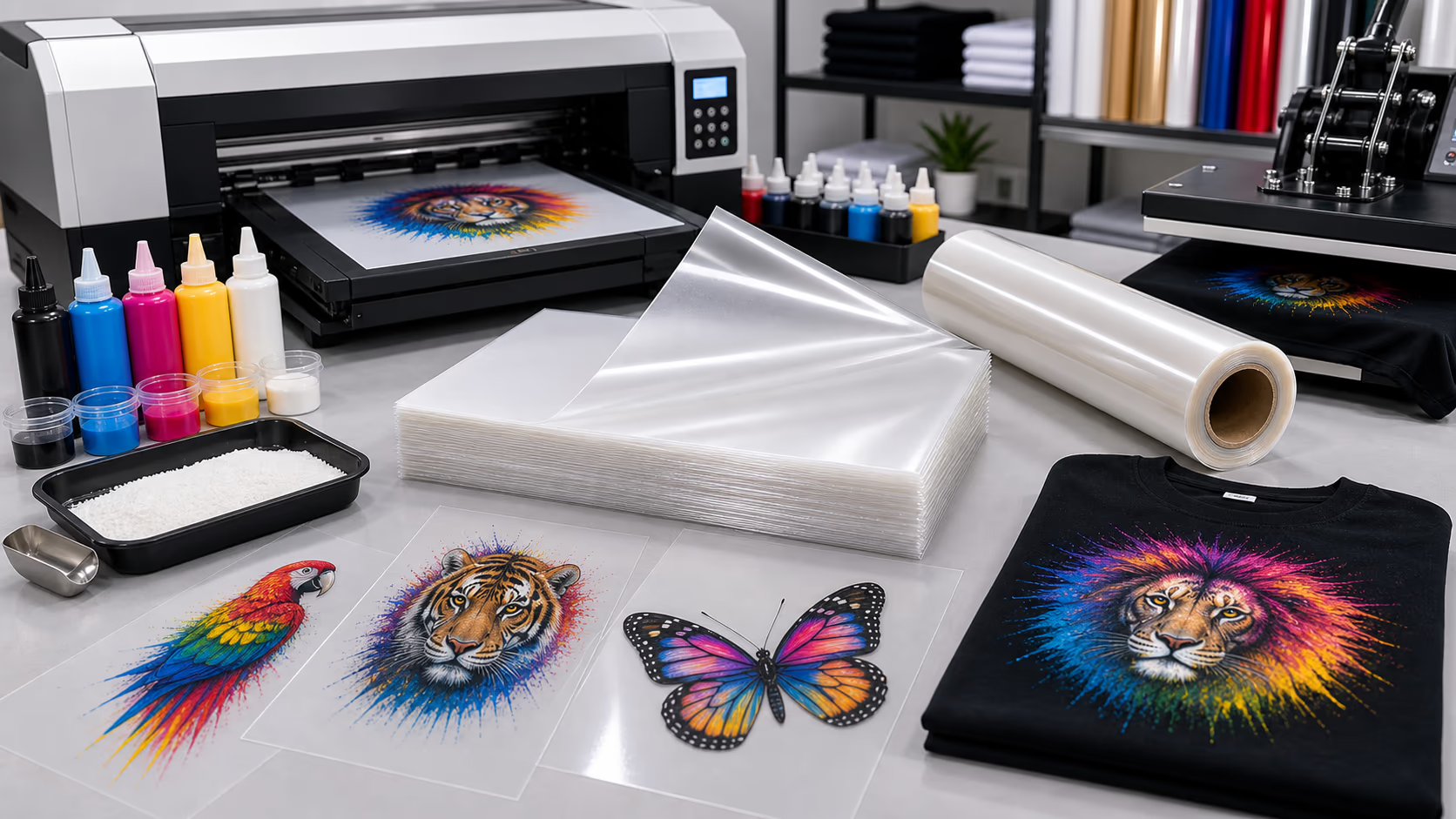
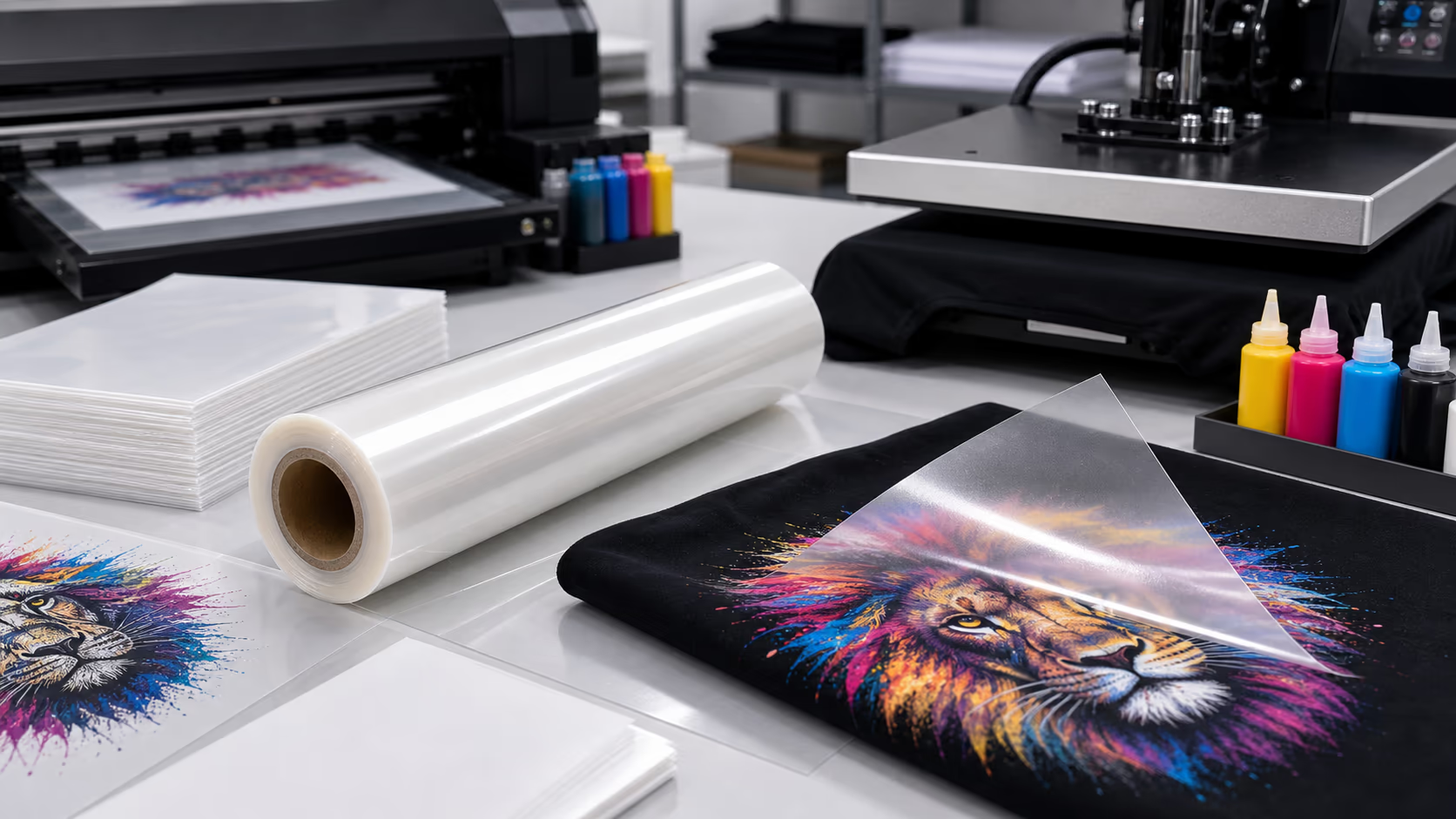
Glossy DTF transfer film consists of two core layers: a heat-resistant PET (Polyethylene Terephthalate) base and a top glossy ink-receptive coating. The glossy finish comes from the smooth, reflective nature of the top coating, which is formulated to lock in DTF inks and create a shiny appearance. Crucially, when printed and transferred, the final design on the substrate is a thin, fused layer of ink and adhesive powder, bonded to the substrate through heat pressing. The PET base is peeled away after transfer, leaving only the thin ink-adhesive layer—meaning the “feel” of glossy DTF is primarily the feel of this integrated ink layer on the substrate.
2. Vinyl (Glossy HTV): Rigid, Standalone Film Layer
Glossy vinyl (HTV) is a standalone thermoplastic film made from materials like PVC or polyurethane. Its glossy finish is inherent to the film itself, which is manufactured with a smooth, reflective surface. Unlike DTF, vinyl does not rely on ink for its color or gloss; the film itself is pre-colored and pre-glossed. When applied, the entire vinyl film (cut into the design shape) is heat-pressed onto the substrate, adhering directly to the surface. This means the tactile feel of glossy vinyl is the feel of the vinyl film itself—thicker and more distinct than the ink layer of DTF.
Tactile Comparison: Glossy DTF vs. Vinyl
While both glossy DTF and vinyl offer a shiny appearance, their tactile properties diverge in four key aspects: thickness, flexibility, surface texture, and integration with the substrate. These differences are readily perceptible when touching the printed products.
1. Thickness: Thin & Light vs. Thick & Noticeable
Glossy DTF transfer film, when transferred, results in an extremely thin ink-adhesive layer—typically 0.01–0.03 mm thick. This thinness makes the feel of the print nearly indistinguishable from the underlying substrate (e.g., fabric). When you run your fingers over a glossy DTF print, you may feel a subtle smoothness from the glossy coating, but there is no significant bulk or raised edge around the design.
Glossy vinyl, by contrast, is significantly thicker—usually 0.1–0.3 mm thick. This thickness creates a noticeable, raised feel on the substrate. Running your fingers over a glossy vinyl print, you can easily detect the edges of the design, and the surface of the print feels distinct from the substrate. The thickness is especially apparent on lightweight fabrics, where the vinyl may feel somewhat rigid or “plasticky.”
2. Flexibility: Fabric-Compliant vs. Stiff (Unless Specialized)
Glossy DTF prints are highly flexible, as the thin ink-adhesive layer moves seamlessly with the substrate. On stretchy fabrics like spandex or cotton blends, the DTF print stretches and recovers without cracking or peeling, maintaining its glossy finish and tactile smoothness. This flexibility ensures the print feels natural and comfortable, even on form-fitting apparel.
Standard glossy vinyl is relatively stiff, especially compared to DTF. While it can adhere to cotton or polyester, it does not stretch as easily as the substrate. On stretchy fabrics, standard glossy vinyl may feel restrictive, and repeated stretching can cause the print to crack or lift at the edges. Some specialized vinyl variants (e.g., stretch vinyl) offer improved flexibility, but even these retain a more rigid feel than glossy DTF prints.
3. Surface Texture: Smooth & Integrated vs. Shiny & Distinct
The glossy surface of DTF transfer film, when transferred, has a smooth, subtle shine that is integrated with the substrate. The texture is consistent with the substrate’s own texture—for example, on a cotton t-shirt, the glossy DTF print retains the slight softness of the fabric while adding a reflective sheen. The surface does not feel “plastic-like” but rather a natural extension of the substrate with enhanced gloss.
Glossy vinyl has a distinct, high-shine surface that feels distinctly plastic. The texture is smooth but rigid, with a more pronounced reflectiveness than glossy DTF. Even on soft fabrics, the vinyl’s surface feels separate from the substrate—like a thin plastic sheet applied on top. This plastic-like texture is a defining characteristic of vinyl and is easily distinguishable from the integrated feel of DTF.
4. Breathability: Air-Permeable vs. Non-Breathable
Another key tactile difference lies in breathability. Glossy DTF prints are relatively breathable because the thin ink-adhesive layer does not block the substrate’s pores. On fabric substrates, air and moisture can still pass through, ensuring the printed area feels comfortable, especially during wear. This breathability enhances the overall tactile experience, making DTF prints suitable for everyday apparel.
Glossy vinyl is non-breathable, as the thick plastic film creates a barrier on the substrate. On fabrics, this can make the printed area feel warm or stuffy during wear, especially on lightweight or athletic apparel. The non-breathable nature of vinyl adds to its distinct tactile feel, separating it from the more fabric-friendly glossy DTF.
Why the Tactile Difference Matters: Application & User Experience
The difference in feel between glossy DTF transfer film and vinyl is not just a matter of preference—it impacts the suitability of each material for specific applications and the overall user experience of the printed product.
Ideal Scenarios for Glossy DTF (Subtle, Integrated Feel)
Glossy DTF is ideal for applications where comfort and integration with the substrate are priorities. This includes:
- Everyday apparel (t-shirts, hoodies, loungewear) where a soft, non-intrusive feel is desired.
- Stretchy or form-fitting garments (athletic wear, leggings) that require flexibility.
- Products where breathability is important (summer clothing, activewear).
- Designs that need a glossy finish without a “plastic” look or feel (high-end apparel, custom artwork).
Ideal Scenarios for Glossy Vinyl (Distinct, Bold Feel)
Glossy vinyl is better suited for applications where a bold, noticeable finish is intended, and tactile distinctiveness is not a drawback. This includes:
- Promotional items (branded caps, tote bags) where the design needs to stand out visually and tactilely.
- Workwear or team uniforms that require maximum durability (vinyl’s thickness enhances abrasion resistance).
- Hard substrates (plastic, metal, wood) for signage or promotional products (vinyl adheres well to rigid surfaces).
- Simple, bold designs (text, logos) where the raised, glossy texture adds to the design’s impact.
Practical Tips to Distinguish Glossy DTF from Vinyl by Feel
If you need to identify whether a glossy print is made from DTF transfer film or vinyl, you can use these simple tactile tests:
- Edge Detection: Run your finger along the edge of the design. Vinyl will have a distinct, raised edge that you can easily feel. Glossy DTF will have a nearly imperceptible edge, blending seamlessly with the substrate.
- Stretch Test: Gently stretch the printed area (if on fabric). Glossy DTF will stretch with the fabric without cracking. Vinyl will either resist stretching or crack/flake at the edges.
- Surface Texture: Rub your finger across the print. Vinyl feels smooth but rigid and plastic-like. Glossy DTF feels smooth but soft, with a texture that mirrors the substrate.
- Breathability Test: Place the printed area against your skin and hold it for a few seconds. Vinyl will feel warm and non-breathable. Glossy DTF will feel more breathable, similar to the unprinted part of the fabric.
Conclusion: Similar Gloss, Different Feel
To answer the question “Does DTF transfer film glossy feel like vinyl?”—the short answer is no. While both materials produce glossy finishes, their tactile properties are distinct. Glossy DTF transfer film results in a thin, flexible, and substrate-integrated feel that is soft, breathable, and nearly indistinguishable from the underlying material. Vinyl, by contrast, has a thicker, stiffer, and more plastic-like feel with noticeable edges and reduced breathability. These differences stem from their material composition, structure, and application processes.
Understanding these tactile differences is crucial for selecting the right material for your project. Whether you prioritize comfort and integration (glossy DTF) or boldness and durability (vinyl) will guide your choice. Ultimately, while both deliver the desired glossy aesthetic, their feels cater to different needs and user experiences—making neither inherently “better” than the other, but rather suited to distinct applications.