“DTF PET Sheets: The Ultimate Solution for Durable, Transparent Packaging!” -MAXDTF- A3 R1390 DTF Factory, DTF transfer paper Supplier, Made in china
In the realm of Direct-to-Film (DTF) printing, DTF PET Sheets have become indispensable, serving as the critical carrier for high-quality design transfers. As a specialized variant of polyethylene terephthalate (PET) materials, they bridge the gap between digital design and physical substrates, offering unique advantages that traditional paper carriers cannot match. This guide deciphers the key aspects of DTF PET Sheets to help industry professionals make informed decisions.
1. Definition: What Are DTF PET Sheets?
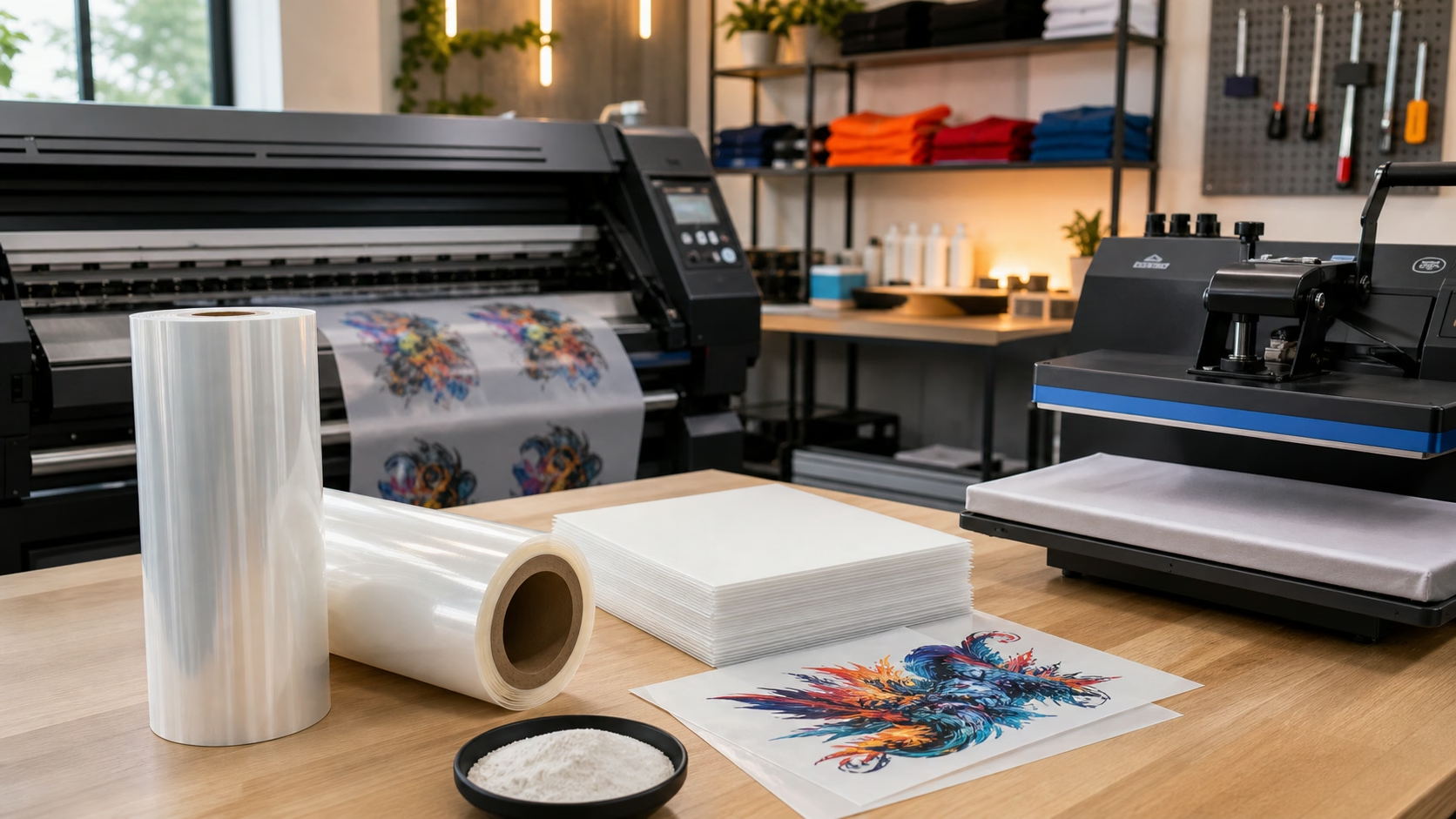
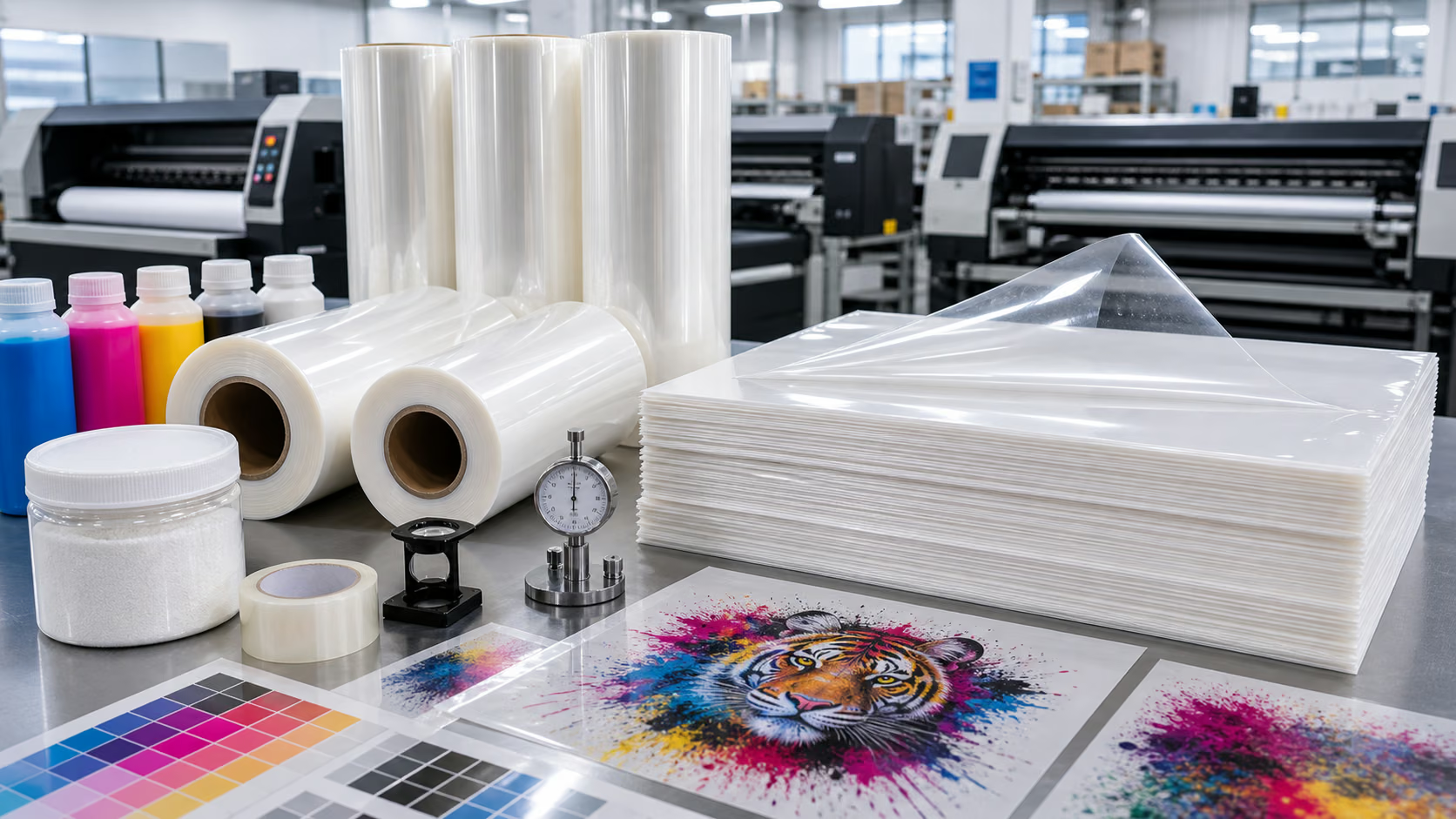
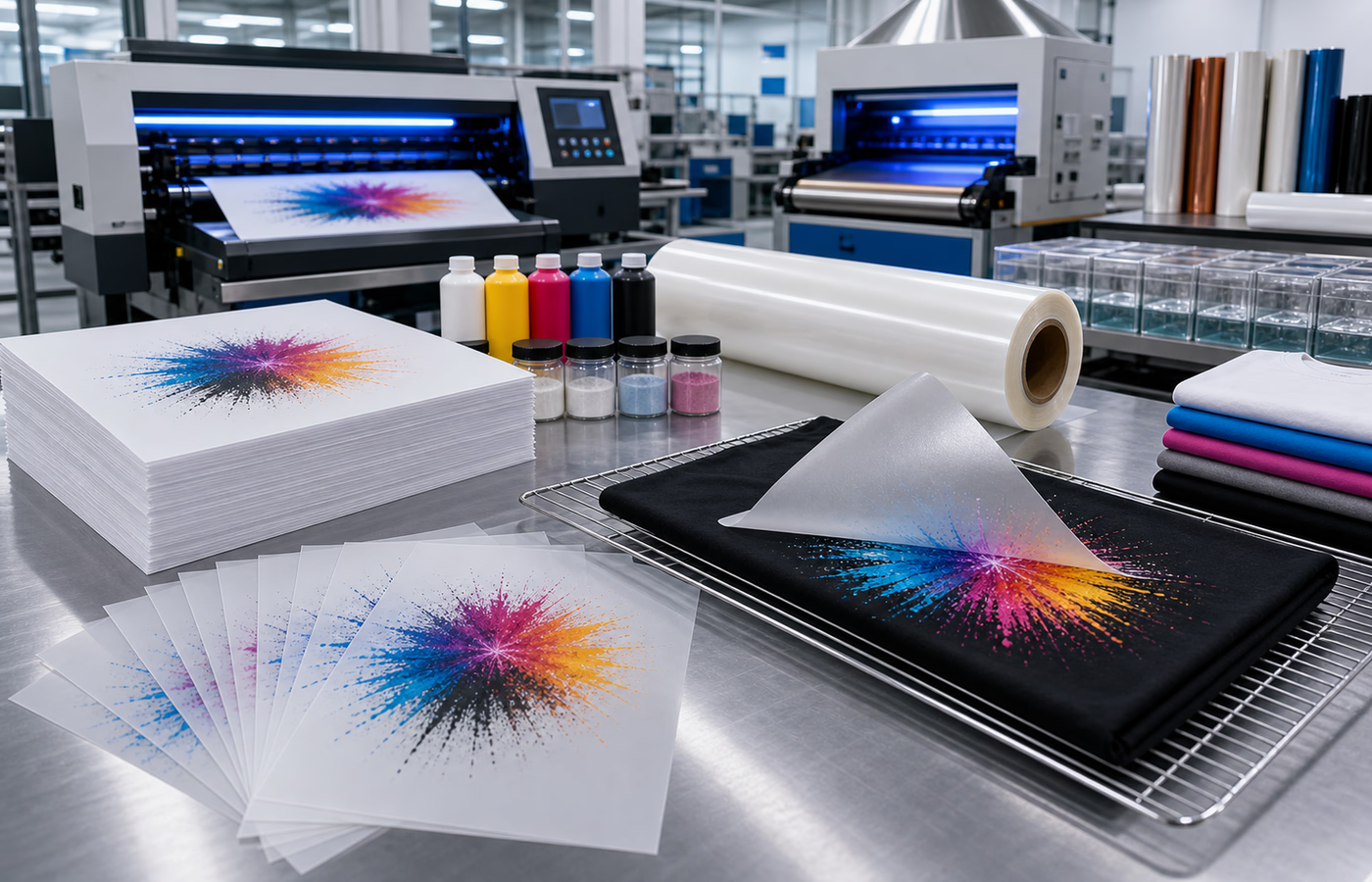
DTF PET Sheets are rigid or semi-rigid PET-based sheets engineered for DTF printing workflows. Unlike roll-format DTF films, they come in standard flat sizes (A3, A4, and custom dimensions) with a proprietary ink-receptive coating. Their core function is to temporarily hold DTF inks and hot-melt adhesive powder during printing and curing, then facilitate clean, precise transfer onto target substrates when paired with heat and pressure. Unlike paper carriers, PET’s synthetic composition ensures structural stability, making the sheets ideal for detailed or small-batch prints.
2. Core Characteristics: Why DTF PET Sheets Stand Out
The superiority of DTF PET Sheets lies in their inherent material properties, optimized for the rigors of DTF printing:
- Exceptional Durability: PET’s high tensile strength resists tearing, warping, and creasing during printing and transfer—critical for maintaining design integrity, especially with intricate patterns.
- Moisture Resistance: Unlike paper, PET repels moisture, preventing ink smudging or adhesive breakdown in humid workshop environments or during storage.
- Uniform Ink Adhesion: The specialized surface coating ensures even ink absorption, eliminating streaks and ensuring consistent color vibrancy across the entire sheet.
- Heat Compatibility: PET withstands the high temperatures (160–200°C) of DTF curing and heat pressing without melting or deforming, ensuring stable transfer.
3. Application Scenarios: Where DTF PET Sheets Excel
DTF PET Sheets are tailored to specific industry needs, with applications spanning multiple sectors:
Apparel and Textiles
For small-batch custom apparel (e.g., limited-edition t-shirts, sportswear patches), DTF PET Sheets deliver sharp, durable prints. They excel with dark fabrics, as the sheet’s stability ensures the white ink underbase applies evenly, making bright colors pop without bleeding.
Hard Substrate Customization
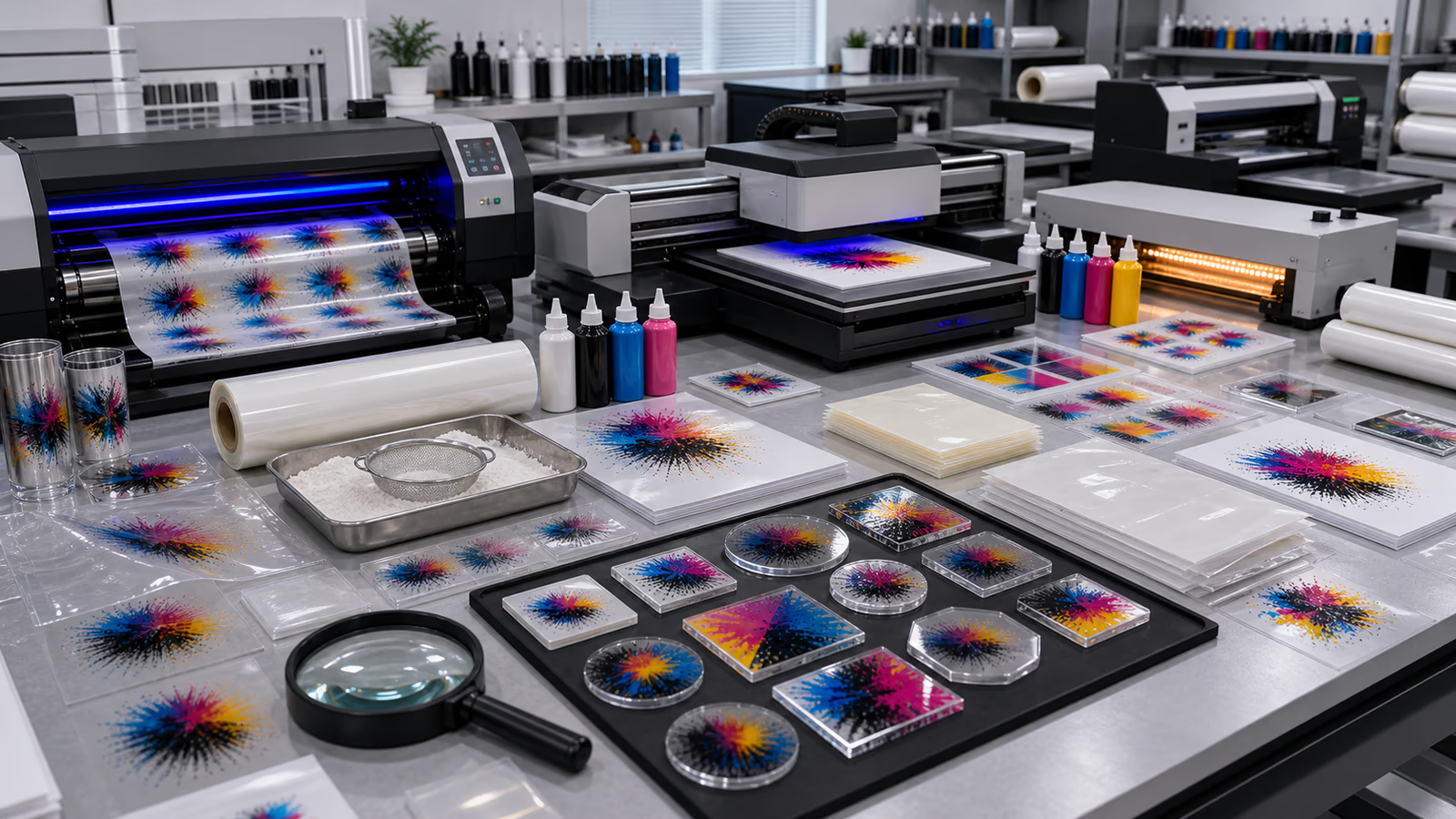
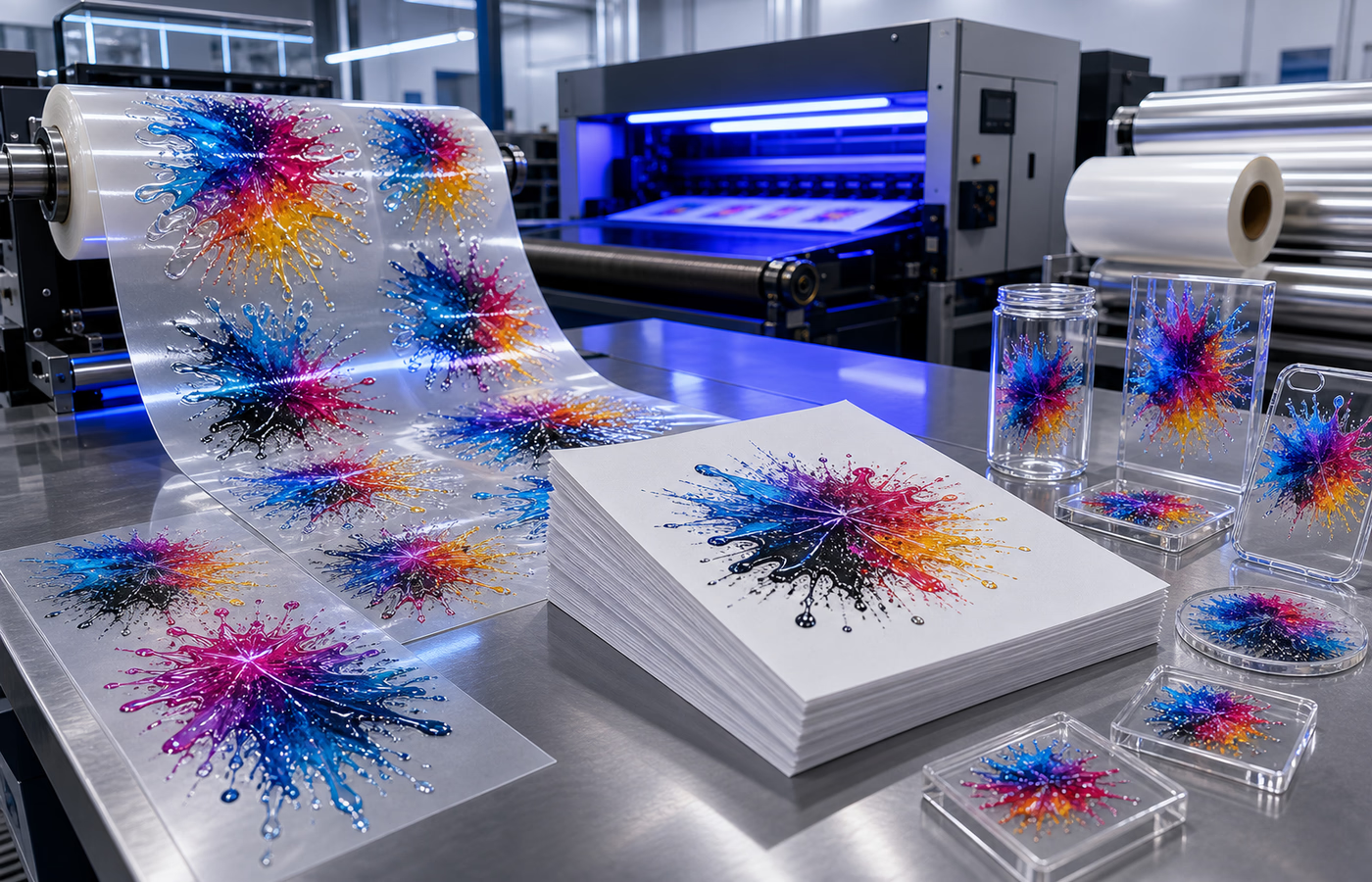
They are the top choice for printing on rigid substrates like metal (water bottles, keychains), glass (jars, tumblers), and plastic (phone cases). The sheet’s rigidity allows precise alignment, while the moisture resistance prevents issues when transferring to non-porous surfaces.
Industrial and Promotional Products
In industrial settings, DTF PET Sheets print durable labels for machinery parts, withstanding oil and dust exposure. For promotions, they create high-quality merchandise (e.g., branded coasters, magnets) where print clarity and longevity are essential.
4. Sourcing Essentials: How to Choose Quality DTF PET Sheets
Selecting the right DTF PET Sheets requires focusing on four key factors to avoid print failures and operational inefficiencies:
- Coating Quality: Opt for sheets with a uniform, scratch-free coating. Test a sample to ensure ink adheres well and transfers completely without residue.
- Thickness Consistency: Choose sheets with a thickness of 100–120 microns (standard for DTF). Inconsistent thickness causes printer jams and uneven pressure during transfer.
- Material Purity: High-purity PET sheets (free from recycled impurities) offer better heat resistance and structural stability. Avoid low-grade sheets that crack or warp under heat.
- Size Compatibility: Ensure the sheet size matches your printer’s platen to minimize waste. Custom sizes are available for specialized equipment or projects.
5. Conclusion
DTF PET Sheets are a cornerstone of modern DTF printing, offering durability, versatility, and consistent performance that paper carriers cannot replicate. By understanding their definition, core traits, applications, and sourcing criteria, industry professionals can leverage these sheets to enhance print quality, reduce waste, and expand service offerings.
Do you have specific questions about matching DTF PET Sheets to your printer model, or need guidance on troubleshooting common sheet-related print issues?