“Peel Away the Stress with Does PET Film DTF Roll Peel!” -MAXDTF- DTF printing material Manufacturer, DTF Film A4 Supplier, Made in china
In the world of digital printing and transfer technology, PET (Polyethylene Terephthalate) film plays a crucial role. One of the most common applications of PET film is in DTF (Direct-to-Film) printing, a process that has gained significant popularity due to its versatility and efficiency. However, one question that often arises is whether PET film used in DTF rolls can peel or detach during the printing or transfer process. Let’s delve into this topic to understand the factors involved and the solutions available.
What is DTF Printing?
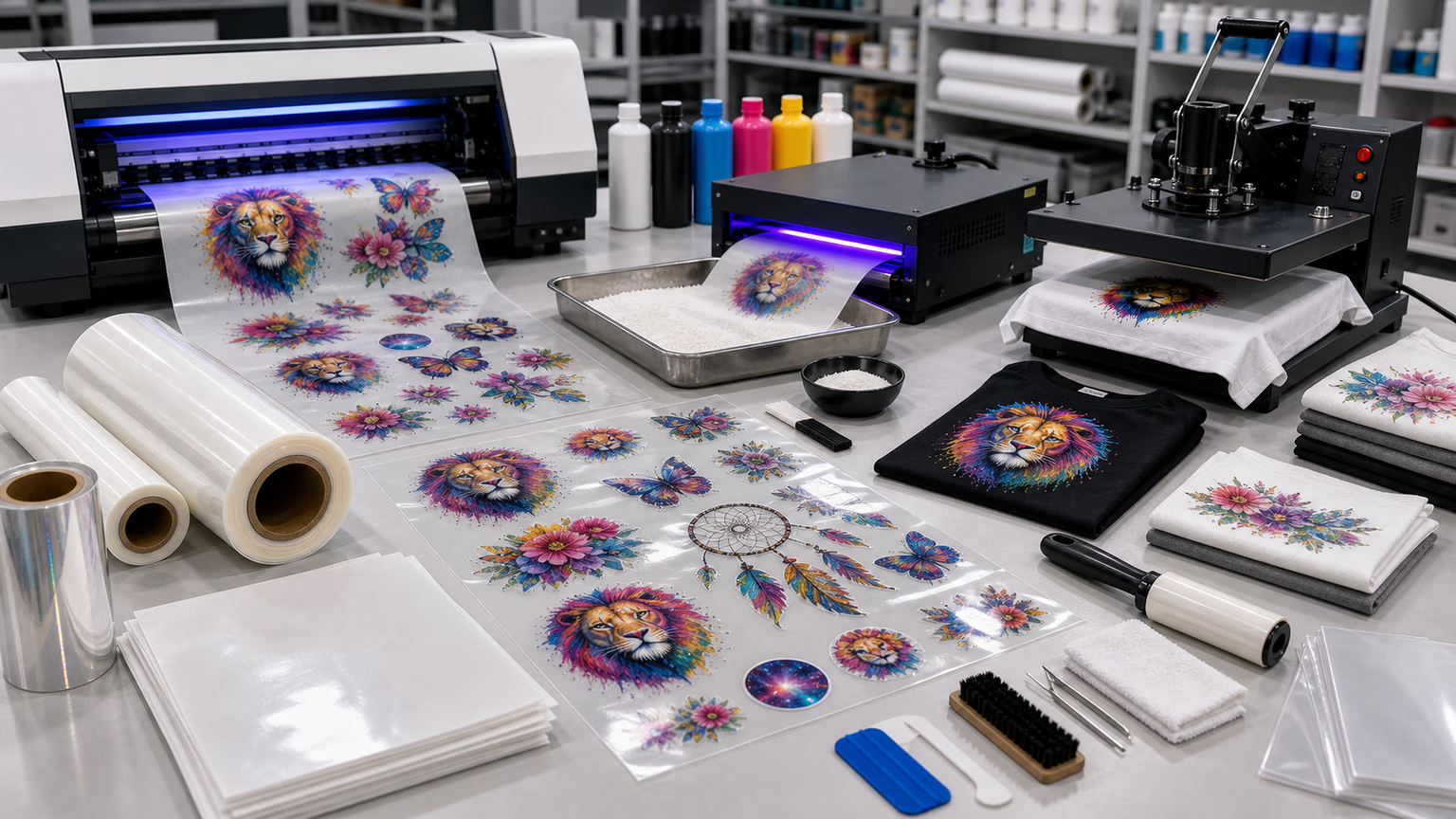
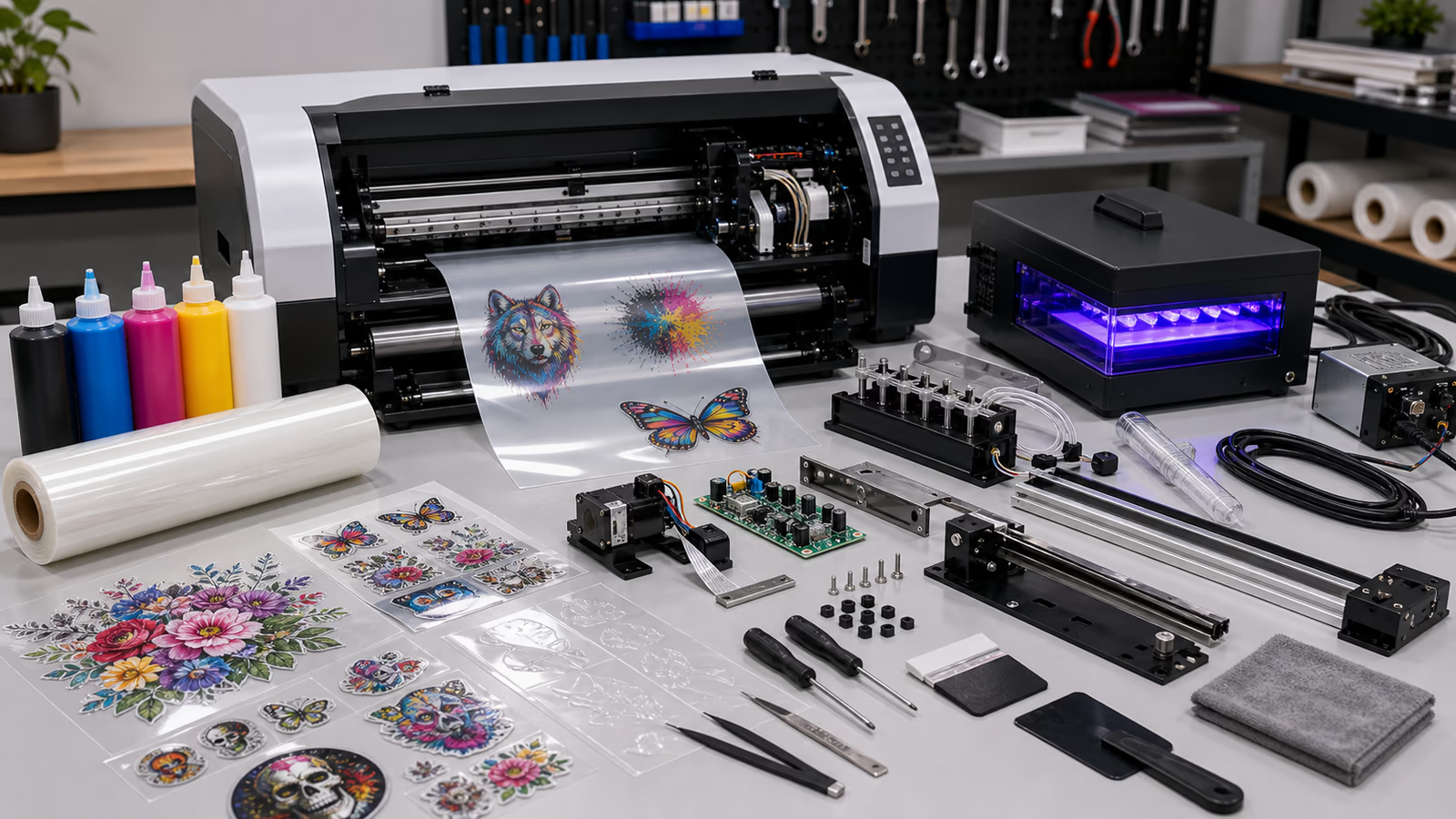
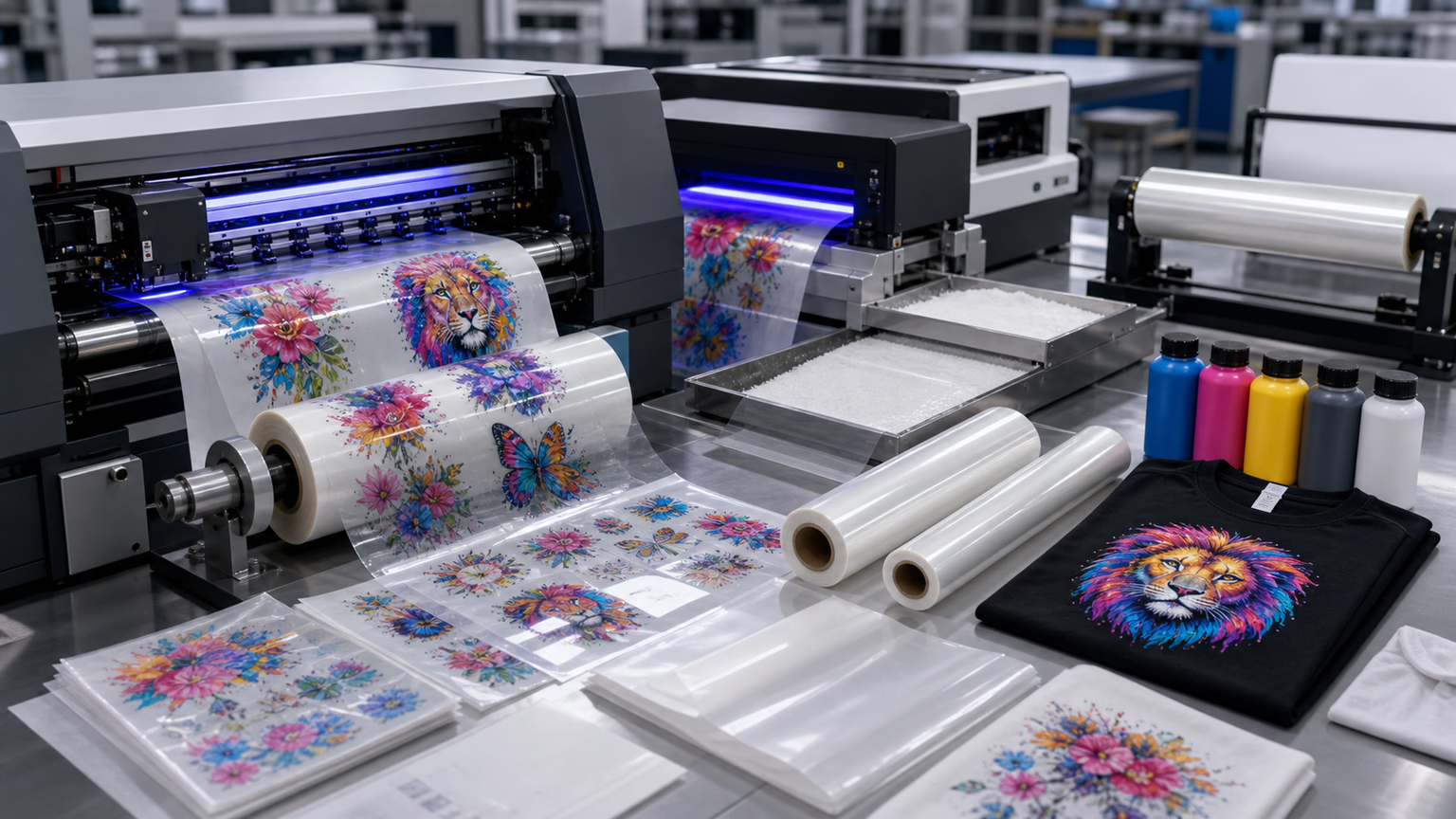
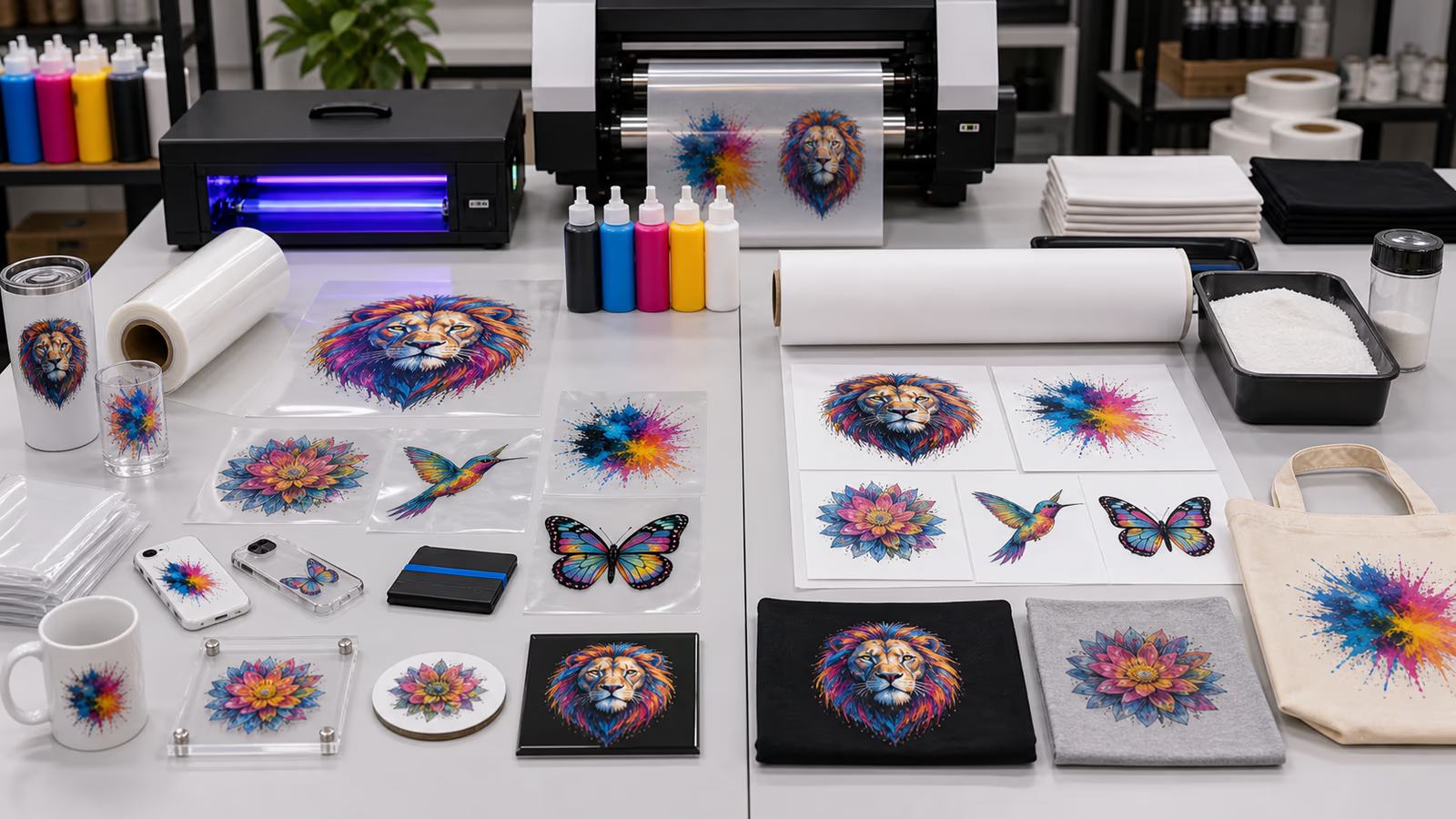
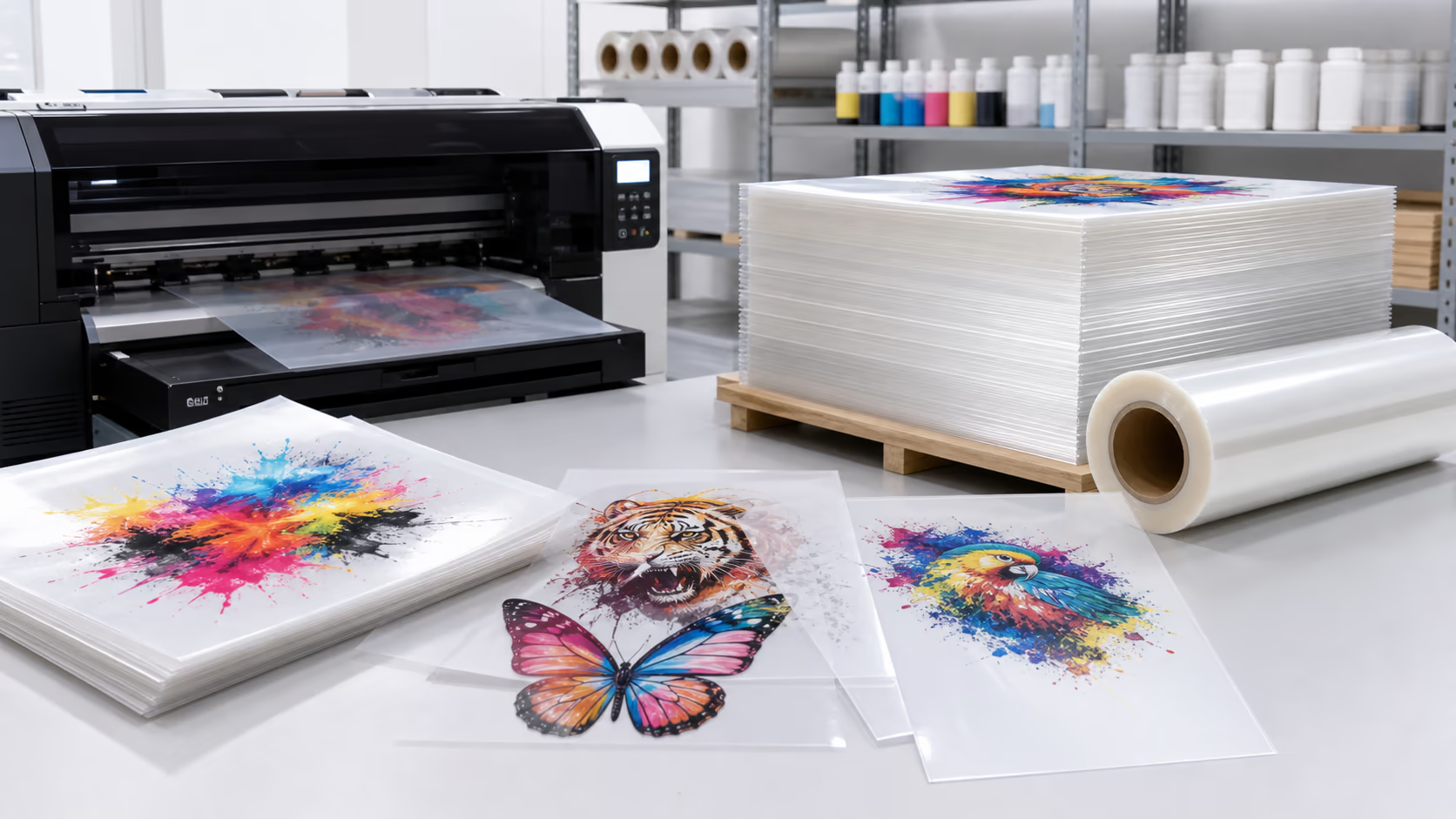
Before addressing the question of peeling, it’s essential to understand what DTF printing entails. DTF printing is a method that allows for the creation of high-quality prints on various materials, including textiles. The process involves printing an image onto a PET film using specialized ink and then transferring that image to the desired substrate using a heat press. This method is favored for its durability, vibrant colors, and compatibility with a wide range of materials.
The Role of PET Film in DTF Printing
PET film is a critical component in the DTF printing process. It serves as the medium on which the design is initially printed. Once the ink is dried, a layer of adhesive powder is applied to the PET film, which, when heated, allows the image to transfer seamlessly to the final product. The film itself is known for its strength, transparency, and heat resistance, making it an ideal choice for this application.
Does PET Film Peel in DTF Rolls?
The short answer is: it shouldn’t, but there are circumstances where it might. PET film is designed to be durable and resistant to peeling, especially when used in DTF printing. However, several factors can influence whether the film will peel during the transfer process:
- Quality of the PET Film: Not all PET films are created equal. Lower-quality films may have inconsistencies in thickness, surface smoothness, or adhesive compatibility, which can lead to peeling. Investing in high-quality PET film from reputable suppliers can mitigate this risk.
- Ink and Adhesive Compatibility: The ink used in the printing process must be compatible with the adhesive powder and the PET film. If the ink doesn’t adhere properly to the film or if the adhesive powder doesn’t bond well with the ink, peeling can occur during the transfer.
- Heating and Pressing Conditions: The heat press temperature, pressure, and duration are critical factors in the transfer process. If the temperature is too low, the adhesive may not fully activate, causing the film to peel. Conversely, if the temperature is too high, it could damage the film or the substrate. Optimizing the heat press settings is essential to prevent peeling.
- Surface Preparation: The substrate to which the image is transferred must be clean and free of contaminants. Dirt, oils, or other residues on the surface can prevent the adhesive from bonding properly, leading to peeling.
How to Prevent Peeling in PET Film DTF Rolls
To ensure that PET film does not peel during the DTF printing process, consider the following best practices:
- Use High-Quality PET Film: Choose a PET film specifically designed for DTF printing. Look for films that are tested for compatibility with DTF inks and adhesive powders.
- Ensure Ink and Adhesive Compatibility: Work with suppliers who provide DTF-specific ink and adhesive powder systems. These systems are designed to work seamlessly together, minimizing the risk of peeling.
- Optimize Heat Press Settings: Experiment with different temperatures, pressures, and durations to find the optimal settings for your specific materials and equipment. Consistency in heat press settings is key to preventing peeling.
- Clean the Substrate: Always ensure that the substrate is clean and dry before beginning the transfer process. Use appropriate cleaning methods to remove any contaminants that could interfere with adhesion.
- Test Samples: Before committing to large-scale production, test small samples to check for any signs of peeling. This will allow you to make adjustments as needed before full-scale production begins.
Conclusion
In summary, PET film used in DTF rolls should not peel under normal conditions. However, factors such as film quality, ink and adhesive compatibility, heat press settings, and surface preparation can influence whether peeling occurs. By following best practices and investing in high-quality materials and equipment, you can ensure a smooth and successful DTF printing process without the risk of peeling.
Whether you’re a seasoned professional or just starting in the world of DTF printing, understanding the role of PET film and how to prevent peeling will help you achieve the best results and maintain the high standards of your printed products.