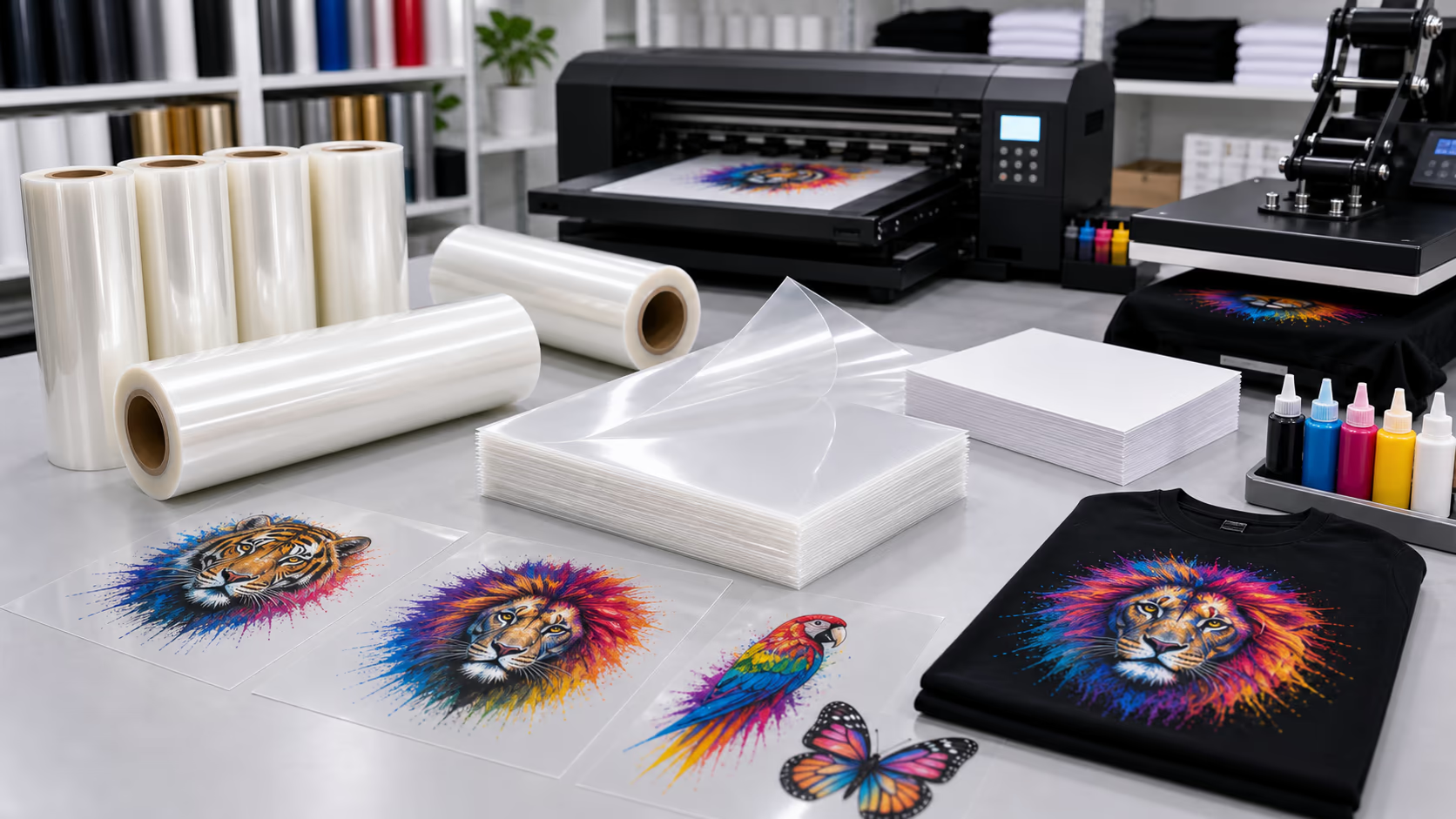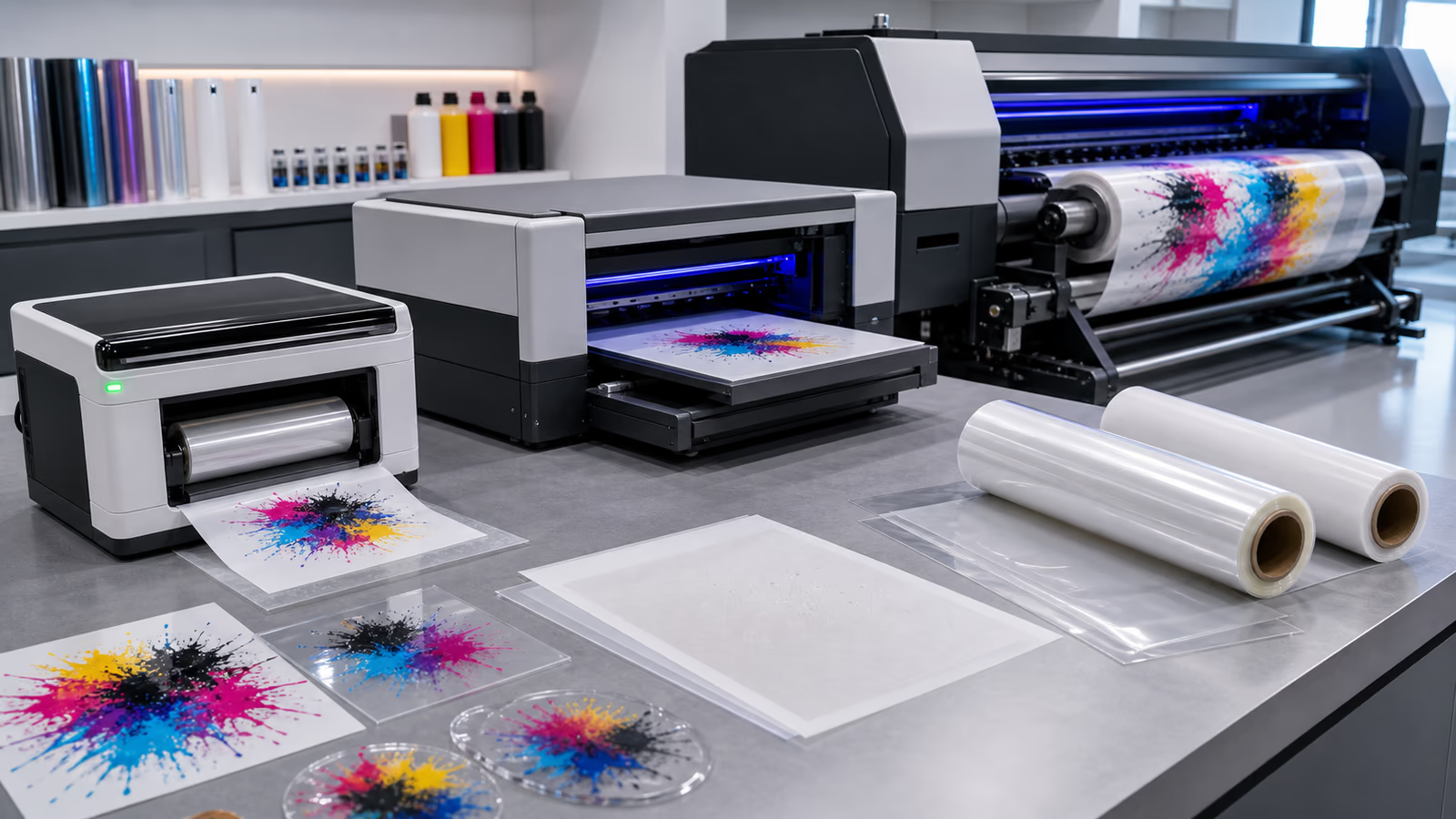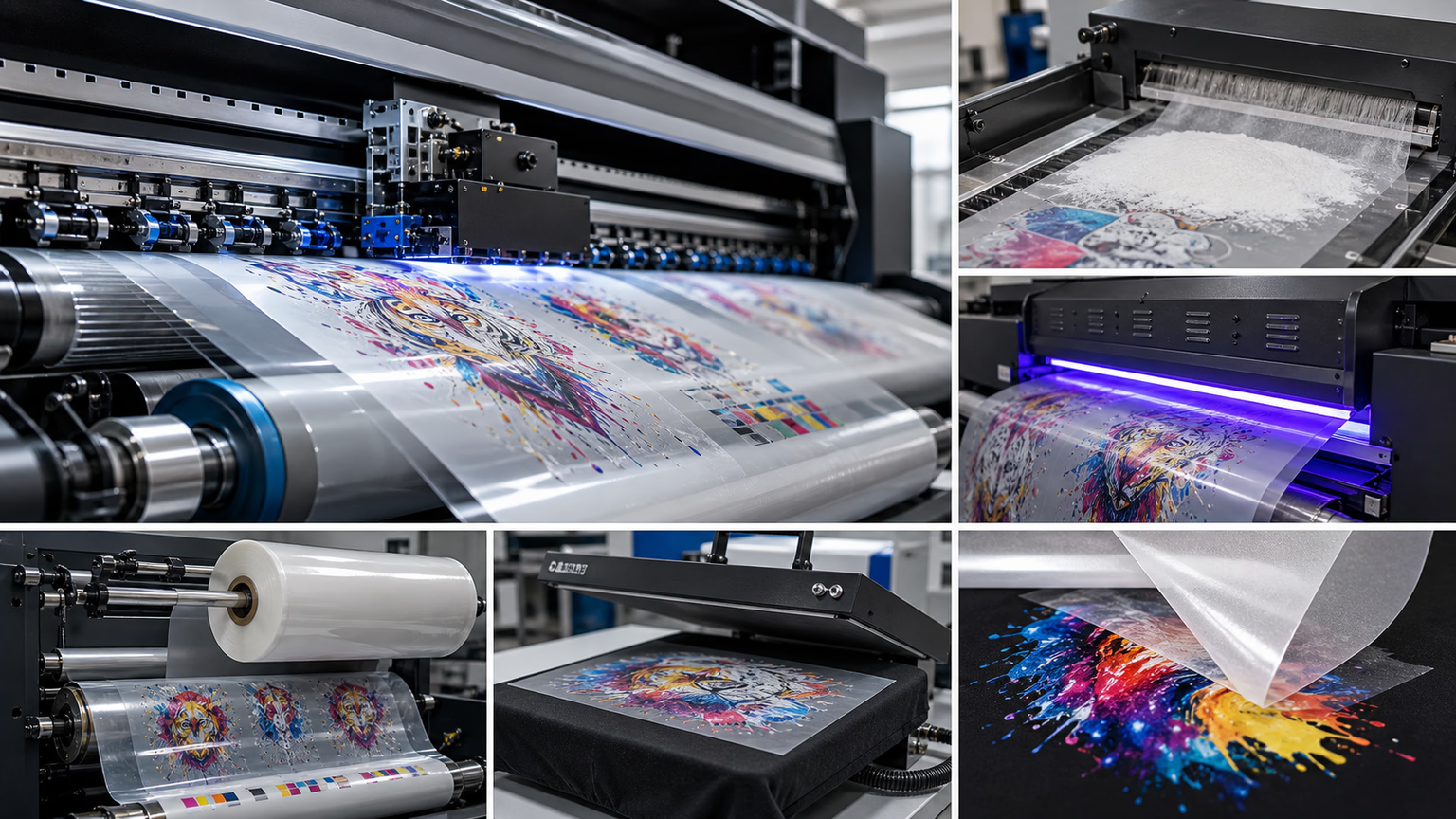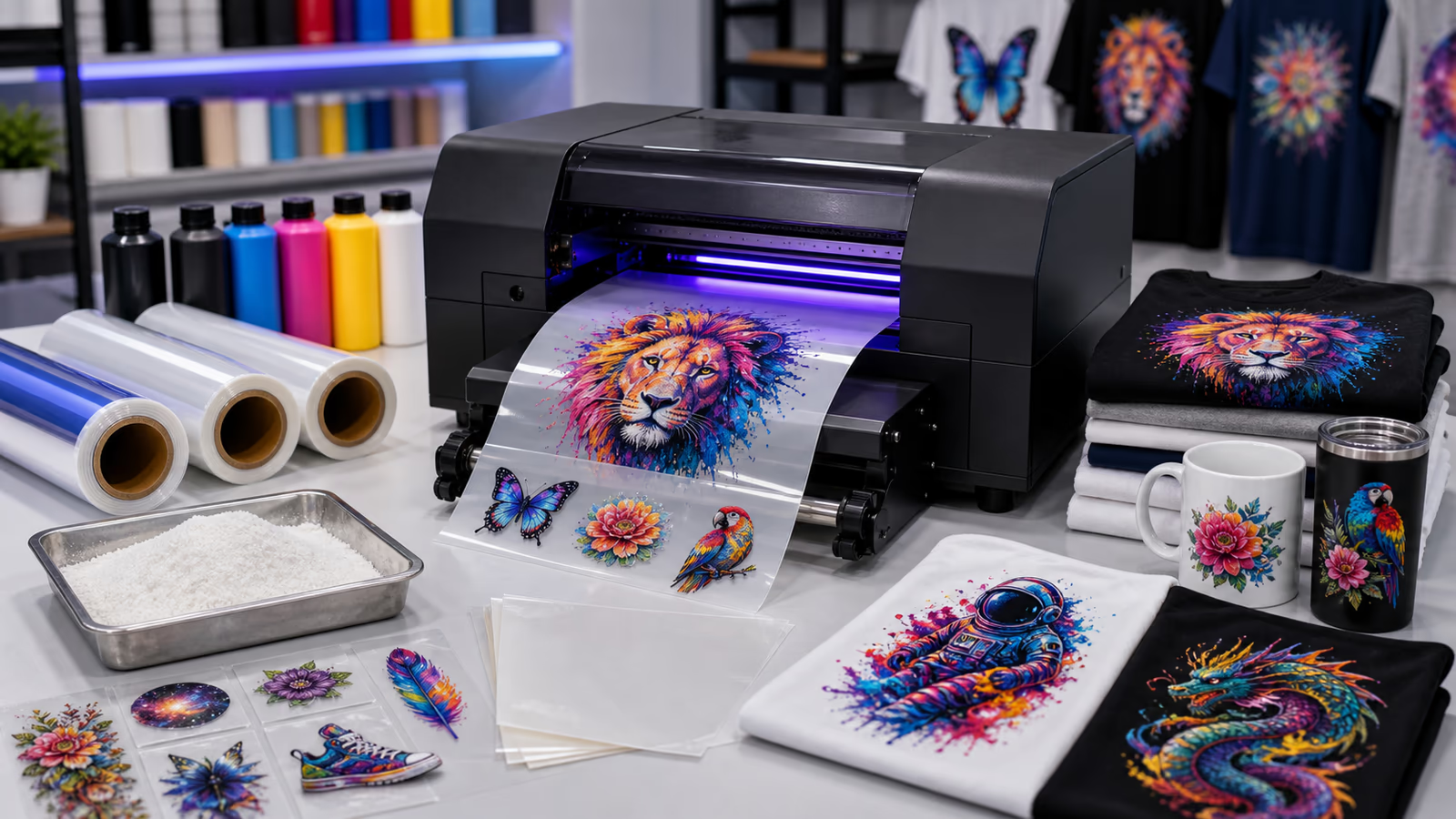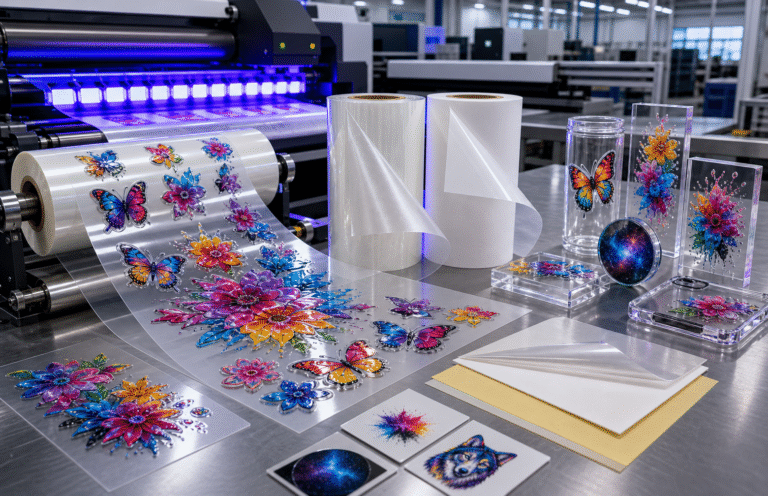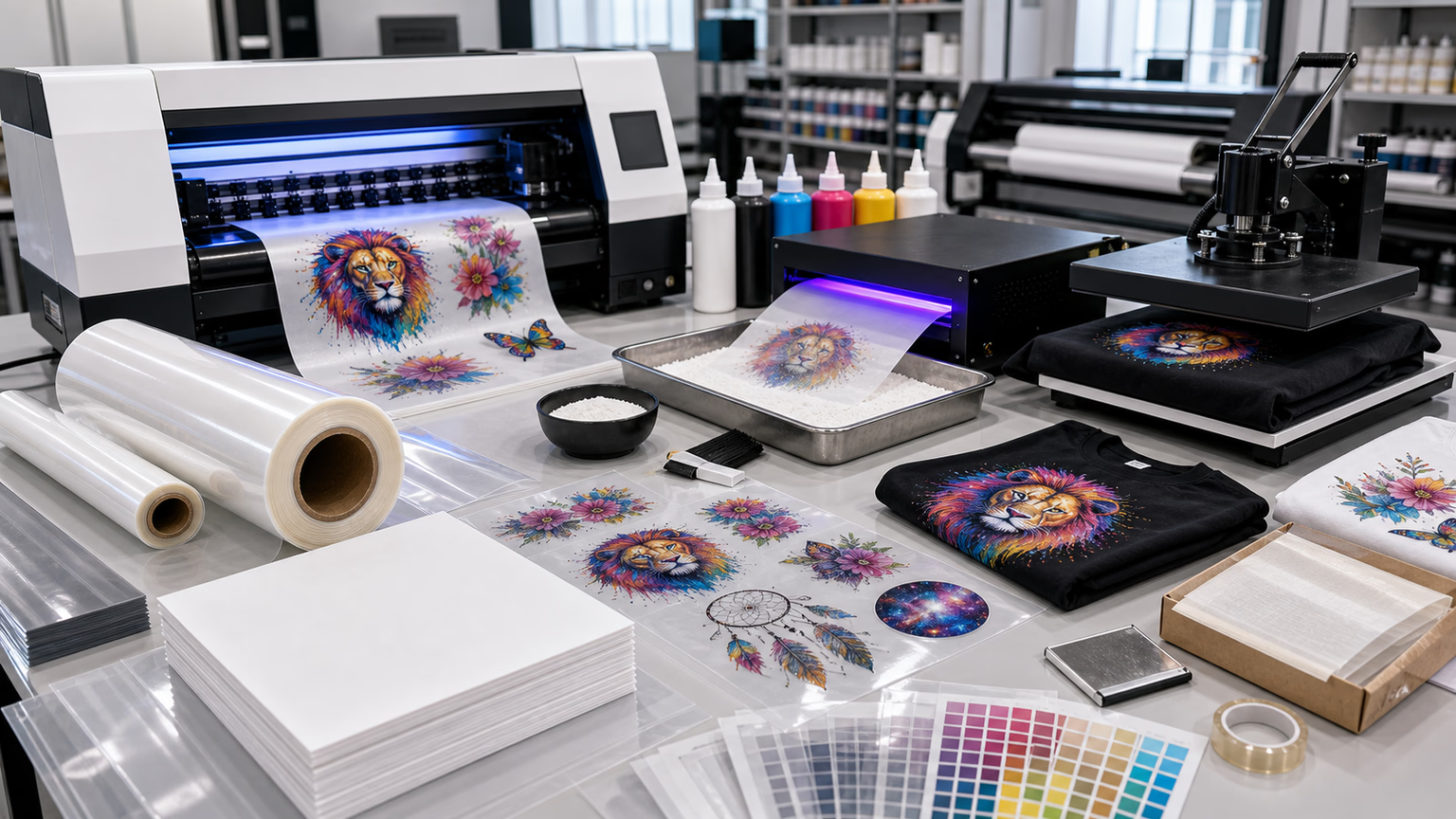
In the fast-evolving landscape of custom printing, DTF (Direct-to-Film) PET Paper has emerged as a transformative material, and the factories specializing in its production are the unsung heroes driving industry change. These facilities combine advanced manufacturing techniques with strict quality control to produce PET-based DTF paper that solves longstanding pain points—from limited substrate compatibility to inconsistent print durability. This article explores how DTF PET Paper factories are reshaping the printing industry, one innovative roll at a time.
1. The Core Innovation: Engineering PET Paper for DTF Excellence
DTF PET Paper factories stand out by reimagining the properties of traditional transfer paper. Unlike standard paper carriers, PET (Polyethylene Terephthalate) offers inherent advantages—moisture resistance, structural stability, and strong ink adhesion—that make it ideal for DTF applications. Factories leverage these traits through precision engineering, creating products that bridge the gap between print quality and practicality.
Key manufacturing innovations include customized surface coatings: factories apply a proprietary ink-receptive layer that bonds with DTF inks temporarily but securely, ensuring crisp print transfer without smudging. They also calibrate the paper’s thickness (typically 80–120 microns) to work seamlessly with DTF printers, reducing jams and ensuring consistent feed. For example, a leading European factory uses nanotechnology in its coating process, resulting in PET paper that retains 30% more ink vibrancy than conventional alternatives.
2. Production Excellence: From Raw Materials to Finished Rolls
DTF PET Paper factories follow a rigorous, tech-driven production workflow that ensures every roll meets industry standards. This process is a far cry from traditional paper manufacturing, as it requires tight control over chemical compositions and physical properties.
Step 1: Sourcing High-Grade PET Resin
The foundation of quality DTF PET paper is premium PET resin. Factories source food-grade or industrial-grade resin (depending on application) to ensure purity and consistency. Resins with high tensile strength are preferred, as they prevent the paper from tearing during printing and transfer. Many factories now prioritize recycled PET resin, aligning production with sustainability goals without compromising performance.
Step 2: Extrusion and Calendering
The resin is melted and extruded into thin sheets via a precision die. This process is controlled by computerized systems to maintain uniform thickness—critical for consistent ink application. The sheets then pass through calendering rollers, which smooth the surface to eliminate imperfections. A factory in Asia uses automated calendering with pressure sensors, ensuring a surface roughness tolerance of less than 0.5 microns.
Step 3: Coating and Curing
The smoothed PET sheets are coated with the ink-receptive layer using a slot-die coating method, which applies an even film across the entire surface. The coated sheets are then cured in UV ovens, a process that cross-links the coating molecules to enhance durability. This step is temperature-controlled (typically 80–100°C) to avoid PET deformation while ensuring the coating bonds securely.
Step 4: Slitting and Quality Control
Cured sheets are slit into standard sizes (A3, A4) or rolled into large-format rolls (up to 100m) for commercial use. Quality control is integral at every stage: sensors check for coating defects, thickness variations, and surface impurities. Samples from each batch are tested in in-house labs for ink adhesion, transfer efficiency, and resistance to moisture and heat. Batches that fail to meet standards are rejected, ensuring only high-quality paper reaches customers.
3. How DTF PET Paper Factories Transform the Printing Ecosystem
The impact of DTF PET Paper factories extends beyond material production—they are reshaping how printers operate, innovate, and serve their clients. Here’s how they drive industry revolution:
Enabling Versatility for Printers
Traditional transfer papers limit printers to specific substrates (e.g., cotton for DTG, vinyl for HTV). DTF PET paper, however, works with fabrics, metals, glass, and plastics. Factories have expanded this versatility by developing specialized PET paper variants—for example, heat-resistant versions for industrial labels and flexible versions for stretch fabrics. This allows printers to expand their service offerings without investing in new equipment.
Reducing Operational Costs
DTF PET paper’s durability reduces waste: its structural stability minimizes printer jams, and its consistent coating ensures fewer failed prints. Factories also optimize production to lower costs, making DTF PET paper accessible to small and medium-sized printers. A survey of 500 print shops found that those using factory-produced DTF PET paper reduced material waste by 40% and operational costs by 25% compared to traditional transfer methods.
Advancing Sustainability
Modern DTF PET Paper factories are leading the push for eco-friendly printing. Many use recycled PET resin, and some have developed biodegradable PET blends. Additionally, the single-use efficiency of DTF PET paper (paired with factory recycling programs for waste material) reduces the industry’s carbon footprint. A North American factory reports that its recycled PET DTF paper reduces plastic waste by 60% compared to conventional PET products.
Supporting On-Demand Production
The rise of e-commerce and personalized products has fueled demand for on-demand printing. DTF PET Paper factories meet this need by producing small-batch, custom-sized rolls—allowing printers to fulfill orders of 1–100 units cost-effectively. This has democratized custom printing, enabling small businesses and hobbyists to compete with large manufacturers.
4. Future Trends: DTF PET Paper Factories Paving the Way
As the printing industry evolves, DTF PET Paper factories are at the forefront of innovation. Key trends include:
- Smart Coating Technology: Factories are developing coatings that change color or texture in response to temperature or light, opening new possibilities for interactive prints.
- Automated Production Lines: AI-driven systems are being integrated to optimize every production step, reducing human error and increasing output.
- Global Supply Chain Optimization: Factories are establishing regional production hubs to reduce shipping costs and delivery times, making DTF PET paper more accessible worldwide.
Conclusion: Factories as Catalysts for Printing Innovation
DTF PET Paper factories are more than just manufacturers—they are catalysts for revolution in the printing industry. By engineering high-quality, versatile PET paper, they have solved longstanding industry challenges, empowered printers of all sizes, and advanced sustainable practices. As demand for custom, on-demand printing grows, these factories will continue to innovate, ensuring DTF technology remains at the cutting edge of the industry. The future of printing is not just in the designs—it’s in the factories that make those designs possible.