The fashion industry is undergoing a paradigm shift driven by consumers’ insatiable demand for personalization and on-demand production. In this transformation, Direct-to-Film (DTF) printing has emerged as a game-changing technology, redefining the possibilities of custom apparel creation. Unlike traditional printing methods that struggle to balance quality, versatility, and cost-efficiency, DTF printing supplies manufacturing is evolving to meet the dynamic needs of modern fashion. This article explores the current landscape, technological innovations, and future trajectories of DTF printing supplies, and their pivotal role in shaping the future of fashion customization.
Understanding DTF Printing: The Core of Modern Customization
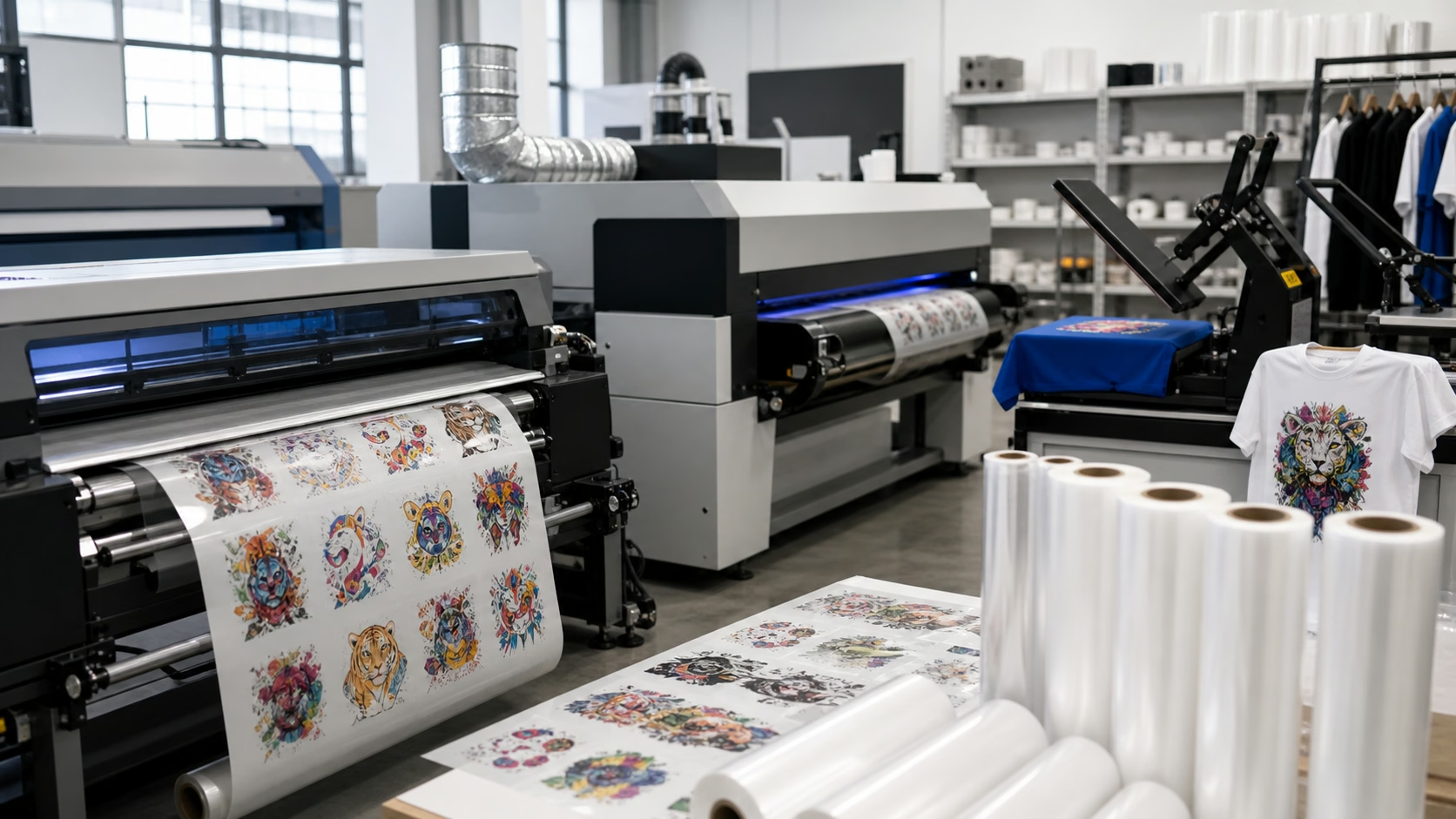
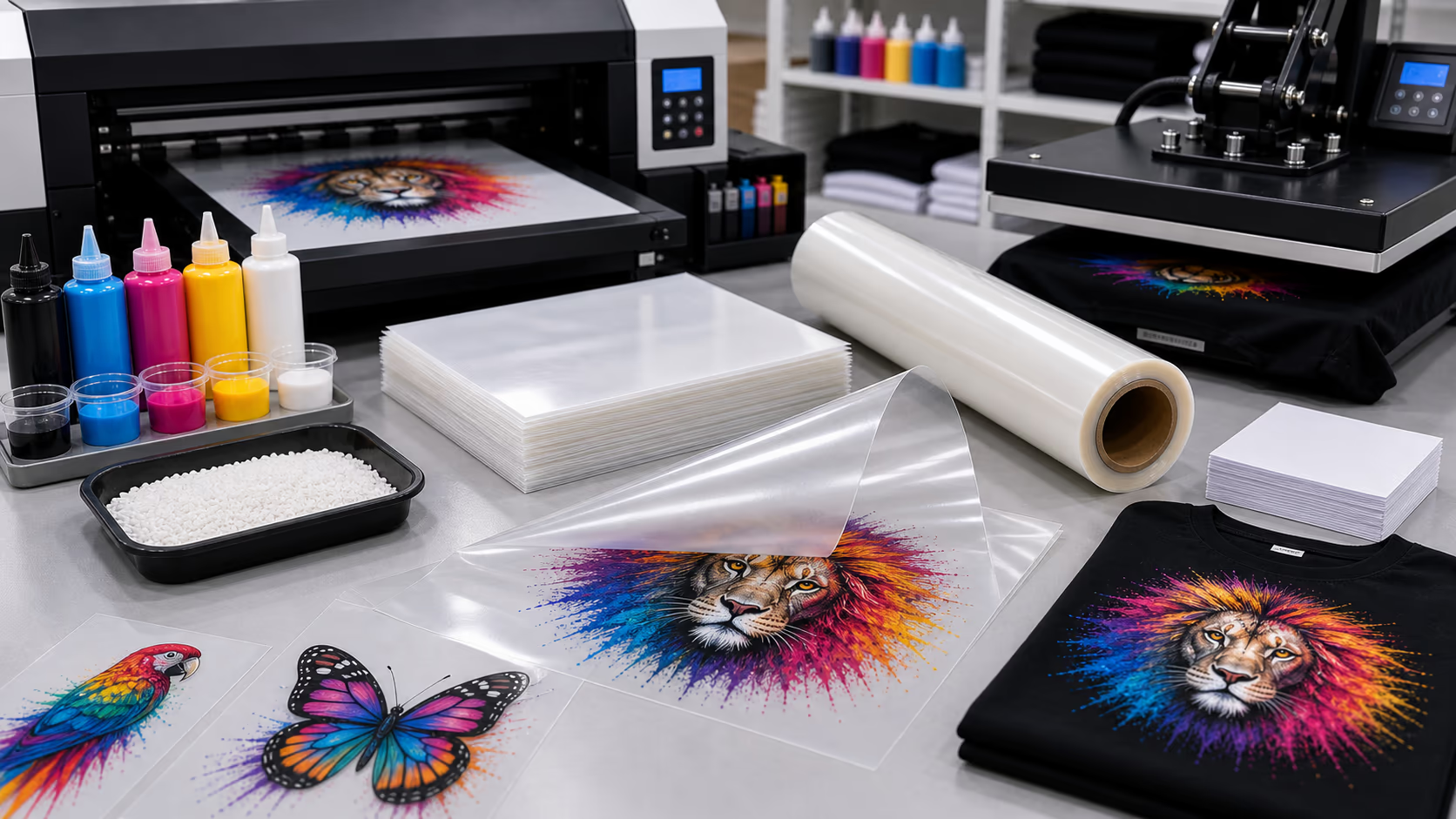
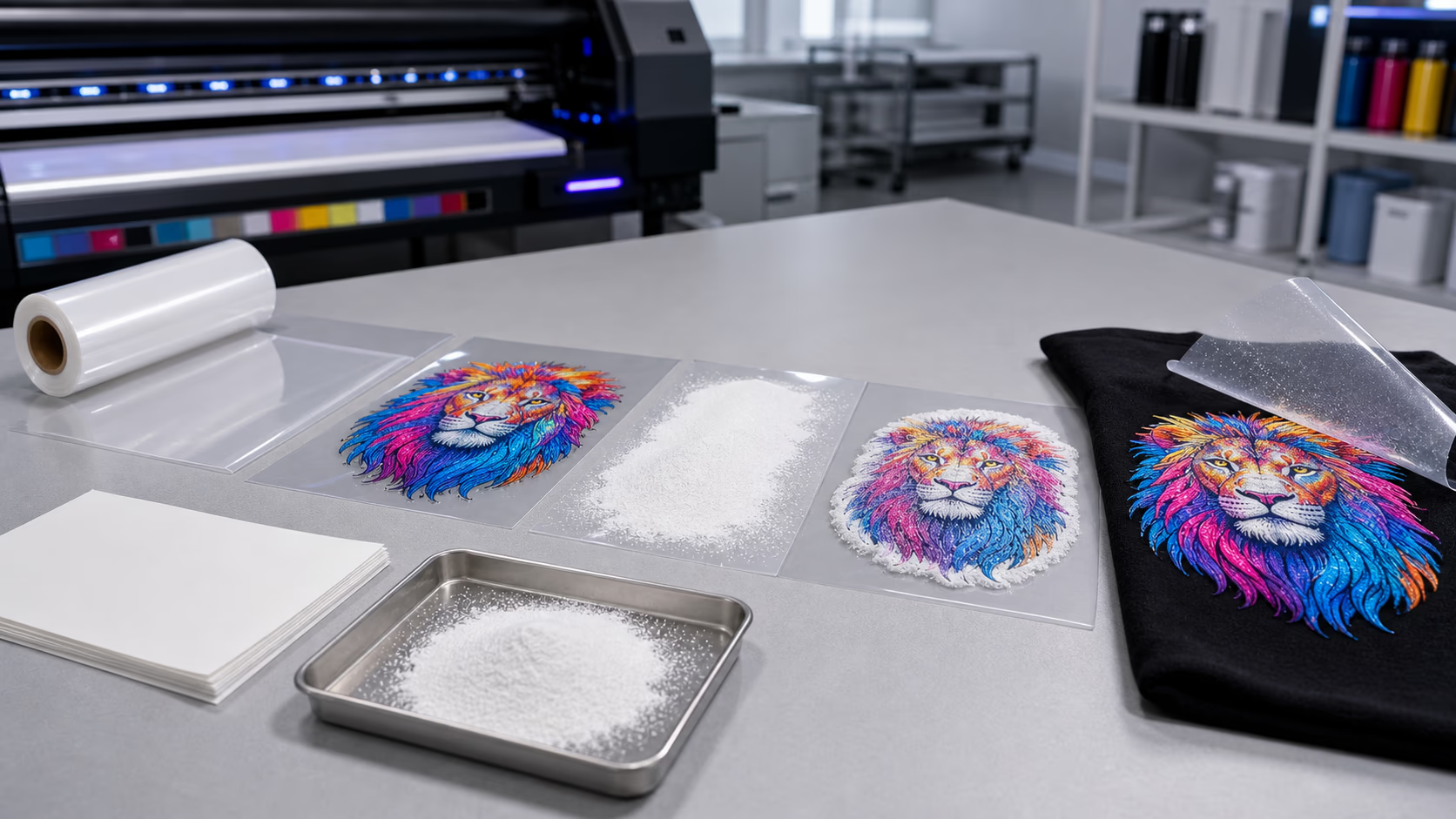
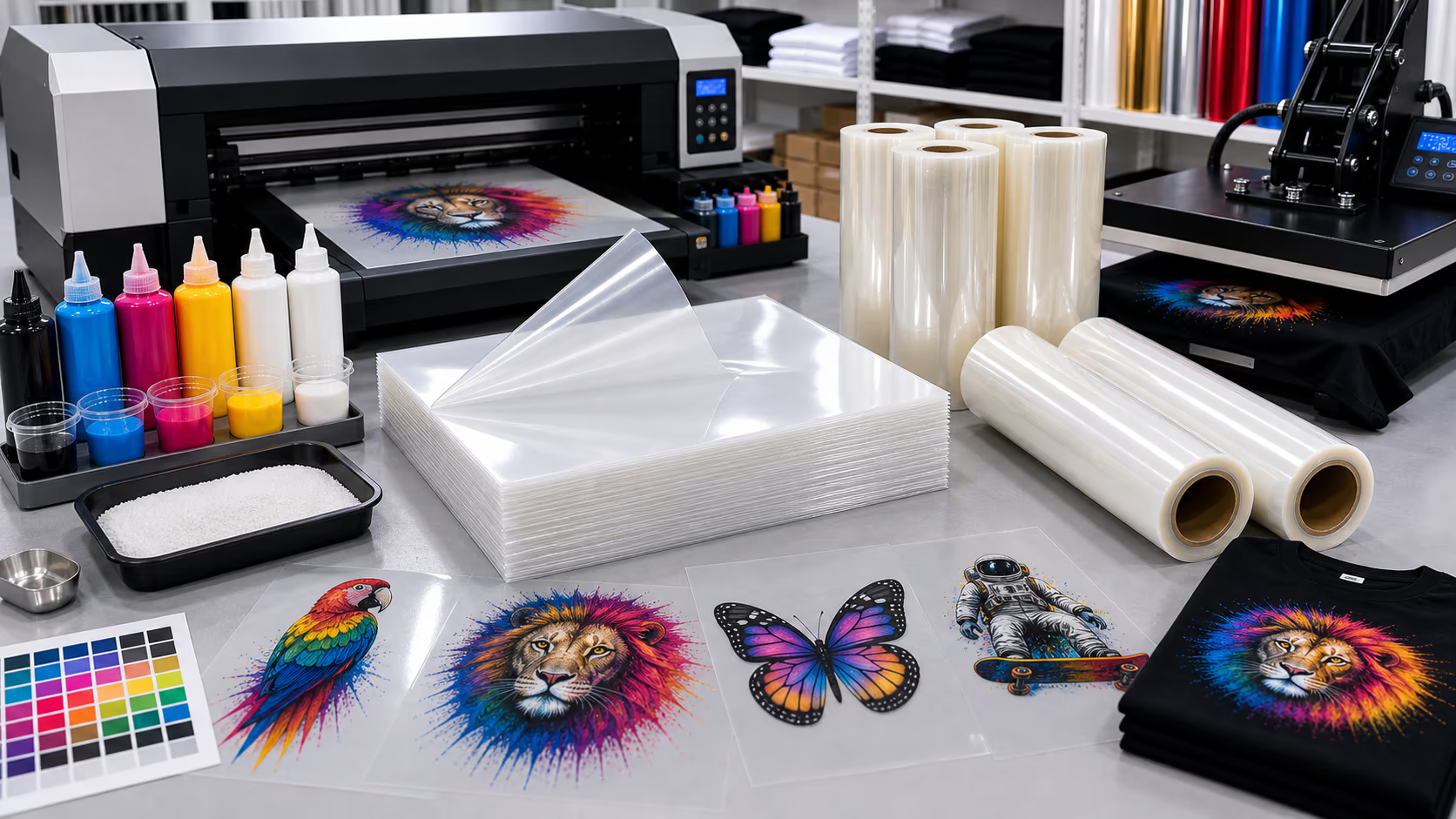
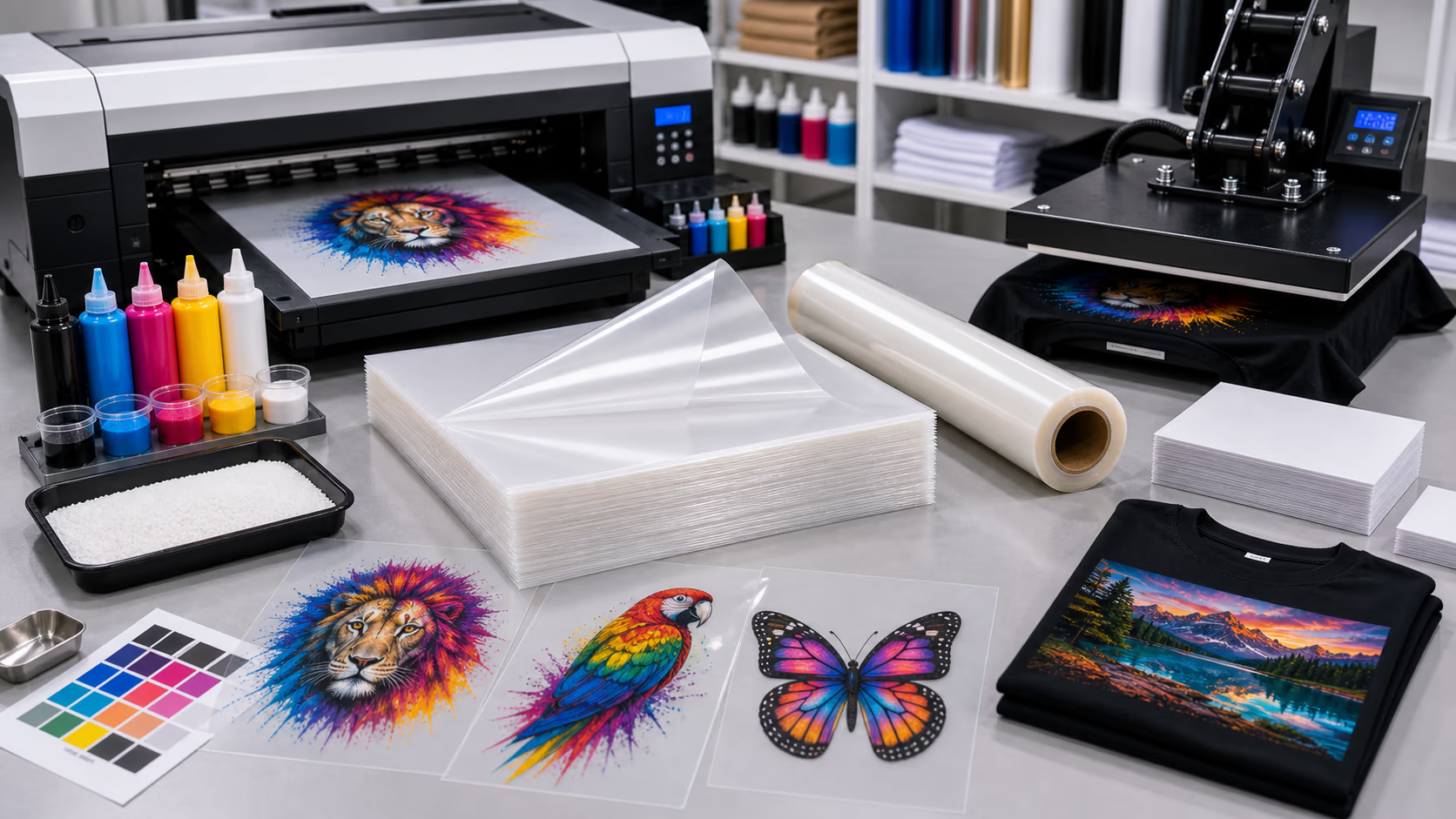
DTF printing is a heat transfer technology that involves printing designs onto specialized polyethylene terephthalate (PET) film using CMYK and white inks, followed by the application of adhesive powder and heat pressing to bond the design permanently to fabric . This process addresses key limitations of conventional methods such as screen printing, sublimation, and Direct-to-Garment (DTG) printing, making it a preferred choice for custom fashion production.
A defining advantage of DTF printing is its fabric versatility—it works seamlessly on cotton, polyester, blends, dark textiles, and even non-textile materials like leather . Unlike DTG printing, which requires pretreatment for dark fabrics and performs best on cotton, or sublimation, which is limited to polyester, DTF delivers vibrant, durable prints across a wide range of substrates . For small-batch and on-demand orders, DTF also eliminates the high setup costs associated with screen printing, where each color requires a separate stencil, making complex designs economically unfeasible for low-volume production .
The quality of DTF prints is another key differentiator. With the ability to reproduce intricate details, gradients, and bold colors without compromising durability, DTF prints withstand repeated washes without cracking or fading . This combination of versatility, quality, and cost-effectiveness has positioned DTF printing supplies as the backbone of the customization revolution in fashion.
The Booming DTF Printing Supplies Market: Size and Growth Drivers
The global DTF printing market is experiencing robust growth, fueled by the rising demand for personalized apparel, the expansion of e-commerce, and the shift toward small-batch production. According to Spherical Insights & Consulting, the market size is projected to grow from USD 2.72 billion in 2024 to USD 5.18 billion by 2035, at a Compound Annual Growth Rate (CAGR) of 6.03% . Europe is expected to lead in demand, driven by mature fashion markets and a strong culture of individualization.
Several factors are propelling this growth. First, the proliferation of microbrands and independent designers has increased the need for accessible, low-cost customization solutions. DTF printing supplies enable these small-scale operators to compete with established brands by offering unique, high-quality products without large upfront investments . Second, e-commerce platforms have shortened the supply chain, requiring faster turnaround times—DTF’s efficient production process, which eliminates pretreatment and weeding steps, aligns perfectly with this demand .
The market for DTF printing supplies is also diversified, encompassing inks, PET films, adhesive powders, and specialized equipment. Key players such as STS Inks, Comax, and Textek are driving innovation in these segments, offering products tailored to different production scales and sustainability goals . As the market expands, manufacturers are focusing on optimizing supply chains to meet global demand while maintaining product consistency.
Technological Innovations Reshaping DTF Supplies Manufacturing
Innovation is at the heart of the DTF printing supplies industry, with manufacturers investing in R&D to enhance performance, sustainability, and efficiency. These advancements are transforming every component of the DTF supply chain, from inks and films to production equipment.
Eco-Friendly Materials and Inks
Sustainability has become a non-negotiable priority in fashion, and DTF supplies manufacturers are responding with greener alternatives. Traditional DTF inks and films often rely on petroleum-based materials, but the industry is shifting toward water-based inks, biodegradable PET films, and recyclable adhesive powders . For example, STS Inks, a U.S.-based leader in printing solutions, offers eco-solvent DTF ink options that reduce environmental impact without sacrificing color vibrancy or durability . These sustainable innovations not only meet regulatory requirements but also appeal to eco-conscious consumers and brands.
Automation and AI Integration
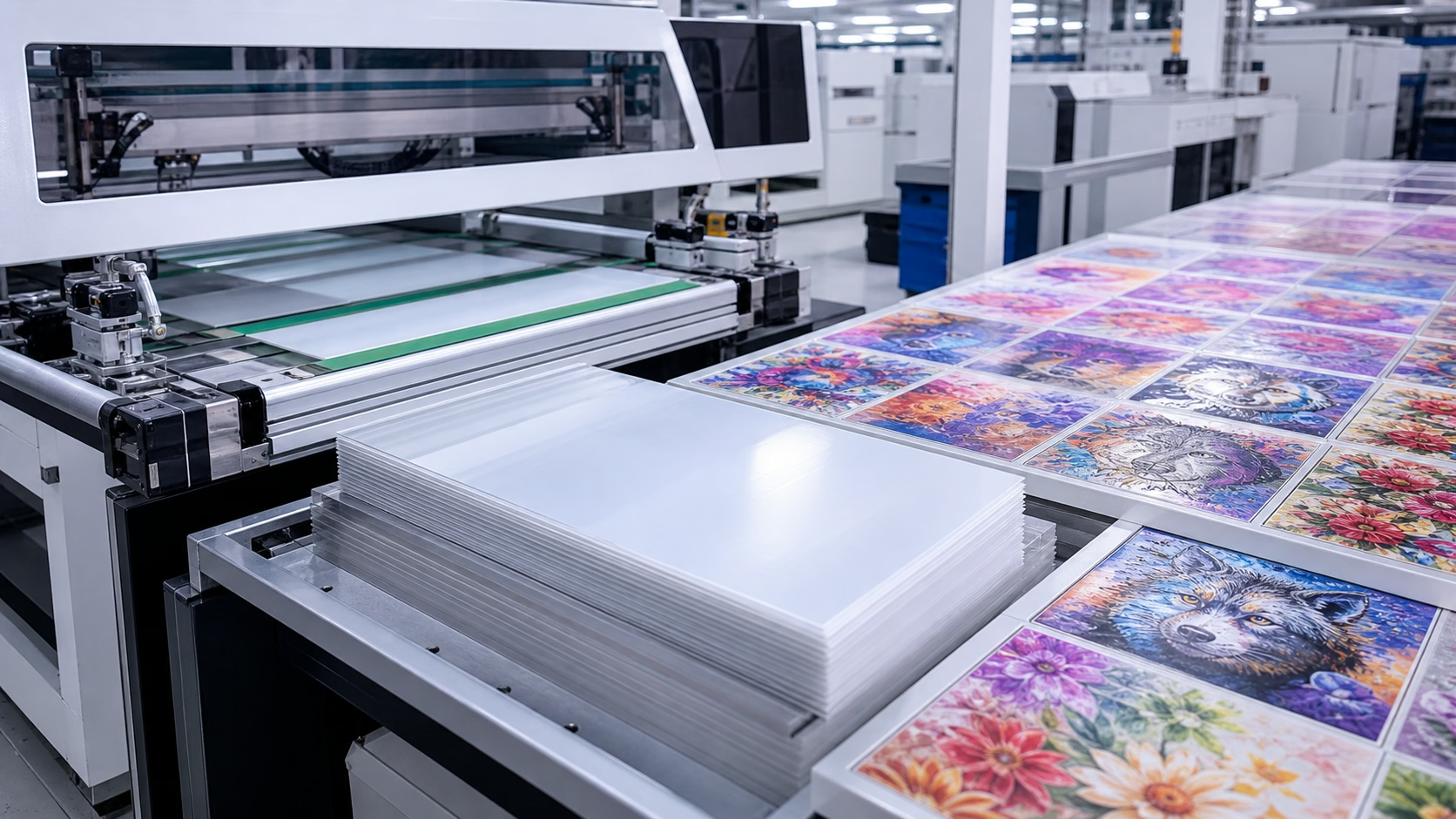
Automation is streamlining DTF supplies production and application, reducing labor costs and improving consistency. Manufacturers are developing all-in-one systems that automate film feeding, powdering, curing, and cutting, enabling seamless workflow integration for both small and large-scale operations . Artificial Intelligence (AI) is also being integrated into Raster Image Processing (RIP) software—tools like Onyx and EFI Fiery—to optimize color accuracy, minimize ink waste, and accelerate file processing . This AI-driven optimization ensures that each print meets quality standards while reducing production costs, a critical advantage in the competitive customization market.
Hybrid and Advanced Formulations
Hybrid technologies are expanding the capabilities of DTF printing. UV-DTF, which combines traditional DTF with UV curing, creates textured, glossy, or 3D effects, opening new opportunities for premium fashion and accessories . Additionally, manufacturers are developing advanced adhesive powders that produce softer, more natural-feeling prints, addressing one of the few limitations of DTF—its slightly thicker feel compared to DTG prints . Innovations in ink formulations are also enhancing opacity, allowing for more vibrant prints on dark fabrics without compromising breathability.
Challenges and Opportunities in DTF Supplies Manufacturing
Despite its rapid growth, the DTF printing supplies industry faces several challenges. Supply chain volatility, particularly in the sourcing of raw materials like PET film and specialty inks, can disrupt production and increase costs. Additionally, the market is becoming increasingly competitive, with new entrants driving price pressure and requiring established manufacturers to differentiate through innovation and quality .
However, these challenges are accompanied by significant opportunities. The rise of on-demand fashion and micro-fulfillment centers presents a chance for DTF supplies manufacturers to partner with e-commerce platforms and logistics providers, creating integrated solutions for fast, localized production . Emerging markets in Asia-Pacific and Latin America also offer untapped potential, as growing middle classes and expanding e-commerce adoption drive demand for customization .
Another opportunity lies in cross-industry collaboration. By partnering with fashion brands, tech companies, and sustainability organizations, DTF supplies manufacturers can co-create solutions that address specific market needs—such as custom athletic wear that requires moisture-wicking prints or luxury fashion that demands premium, eco-friendly finishes .
The Future Outlook: DTF as the Cornerstone of Custom Fashion
As fashion continues to prioritize personalization, sustainability, and speed, DTF printing supplies manufacturing will play an increasingly central role. The market’s projected growth to USD 5.18 billion by 2035 reflects its position as a transformative technology . Looking ahead, we can expect three key trends to define the industry:
First, sustainability will become embedded in every aspect of DTF supplies production, from raw material sourcing to end-of-life disposal. Biodegradable films, water-based inks, and circular supply chains will become standard, aligning with the fashion industry’s broader sustainability goals. Second, AI and automation will enable hyper-personalization at scale, allowing brands to offer one-of-a-kind designs with the efficiency of mass production. Finally, hybrid technologies will blur the lines between DTF and other printing methods, creating versatile solutions that cater to a wide range of fashion applications.
For manufacturers, success will depend on their ability to innovate, adapt to changing consumer demands, and embrace sustainability. For fashion brands and designers, DTF printing supplies will remain the go-to solution for turning creative visions into tangible, personalized products. In this way, DTF printing is not just a technology—it is a catalyst for a more inclusive, efficient, and innovative fashion future.