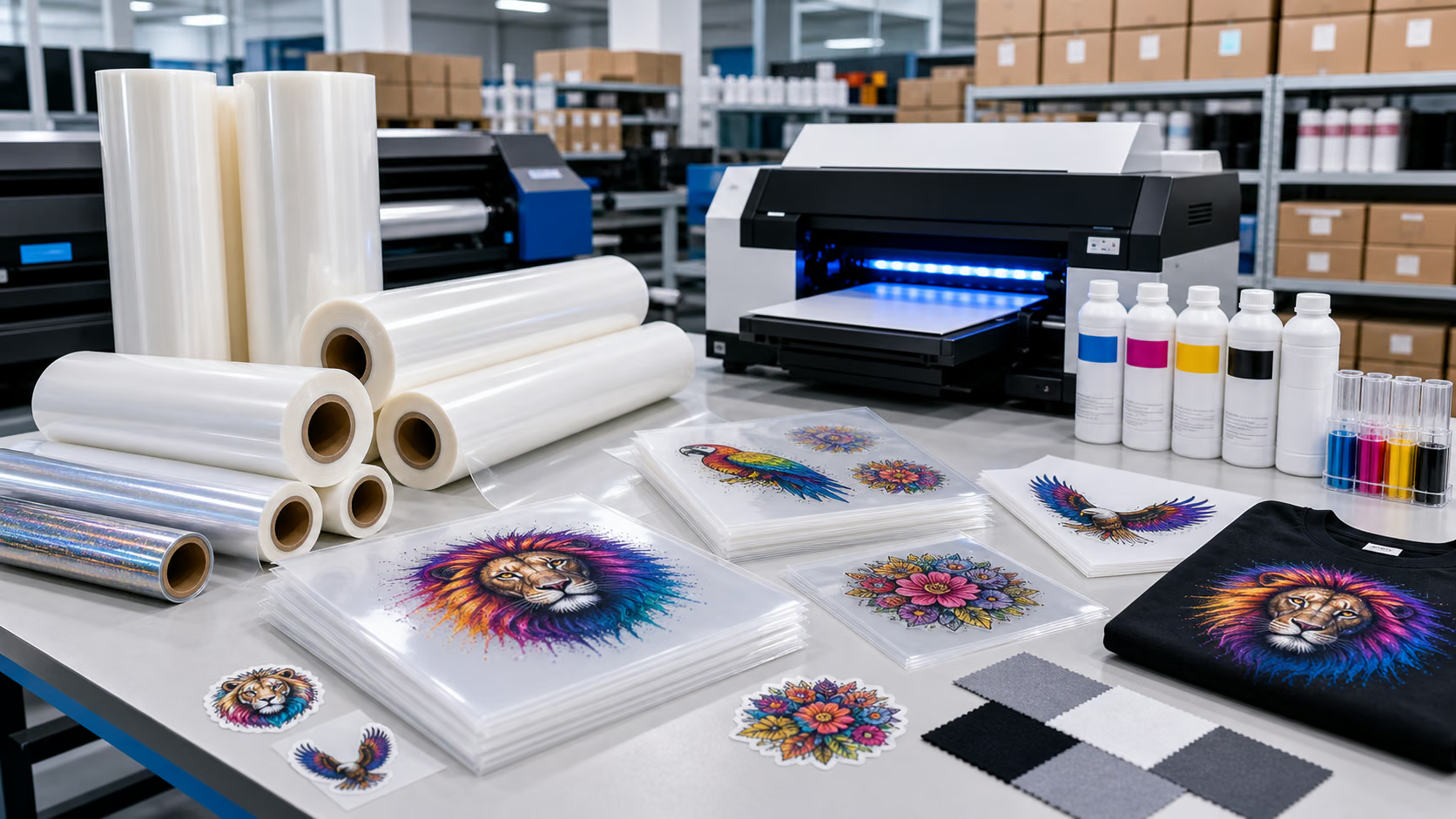
Over the decades, the textile printing industry has experienced a profound transformation, shifting from labor-intensive traditional techniques like screen printing to flexible, digital-driven solutions. Among these innovations, Direct-to-Film (DTF) printing has emerged as a revolutionary force, with its widespread adoption deeply intertwined with the integration of PET (polyethylene terephthalate) film. This versatile material has redefined the boundaries of DTF manufacturing, embodying the industry’s unwavering pursuit of efficiency, versatility, and superior quality. Today, PET film stands as a cornerstone of modern textile decoration, driving the next era of printing innovation.
From Traditional Constraints to Digital Innovation
Traditional textile printing methods, most notably screen printing, have long been plagued by high setup costs, prolonged production cycles, and inflexibility in handling small-batch orders. While effective for large-scale productions, they struggled to keep pace with the rising demand for personalized, on-demand textile products. The introduction of digital technologies, such as Direct-to-Garment (DTG) printing, addressed some of these limitations by enabling direct digital design application. However, DTG remained constrained by substrate restrictions—primarily limited to cotton—and the necessity for pre-treatment, creating opportunities for further breakthroughs.
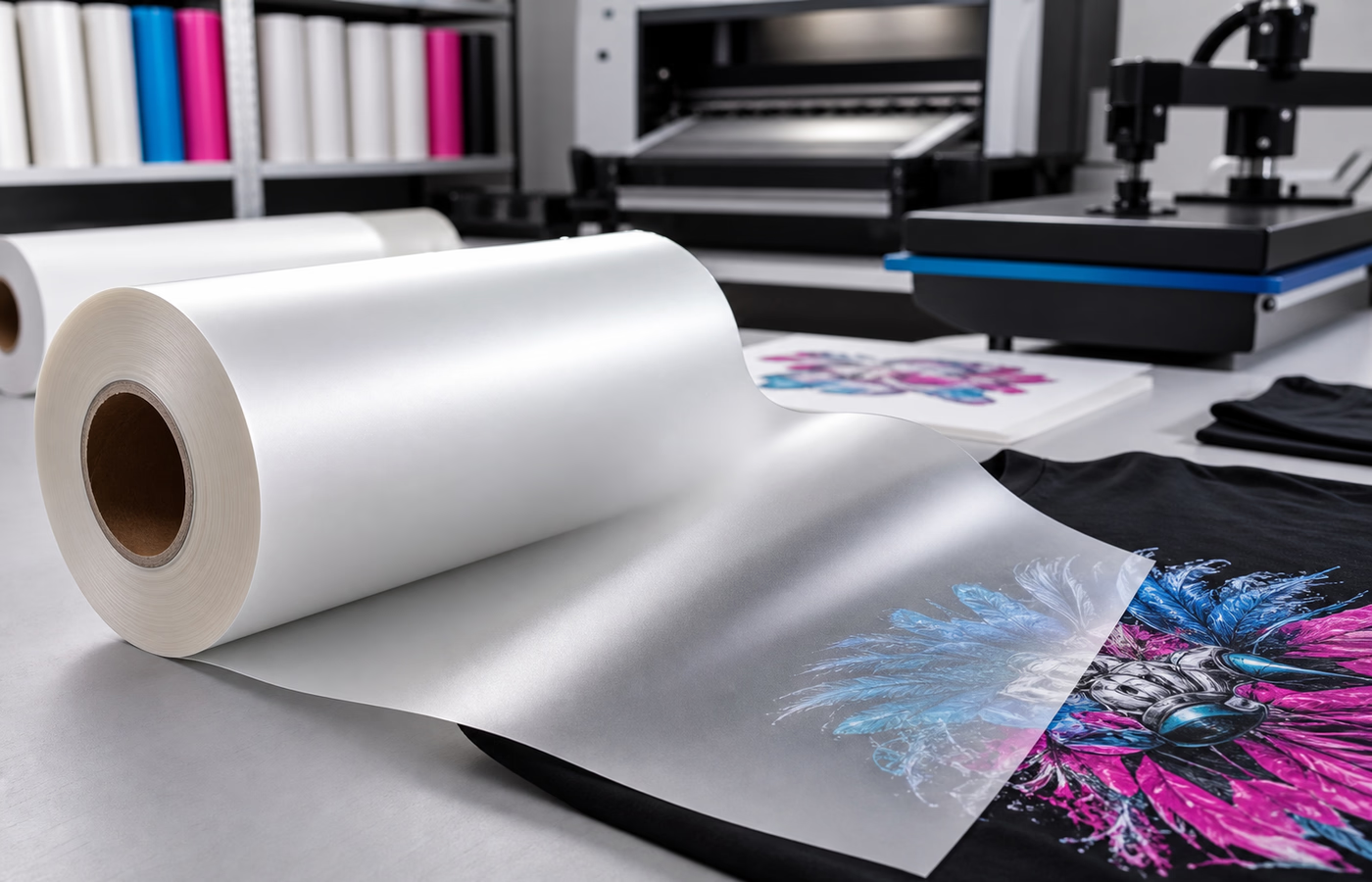
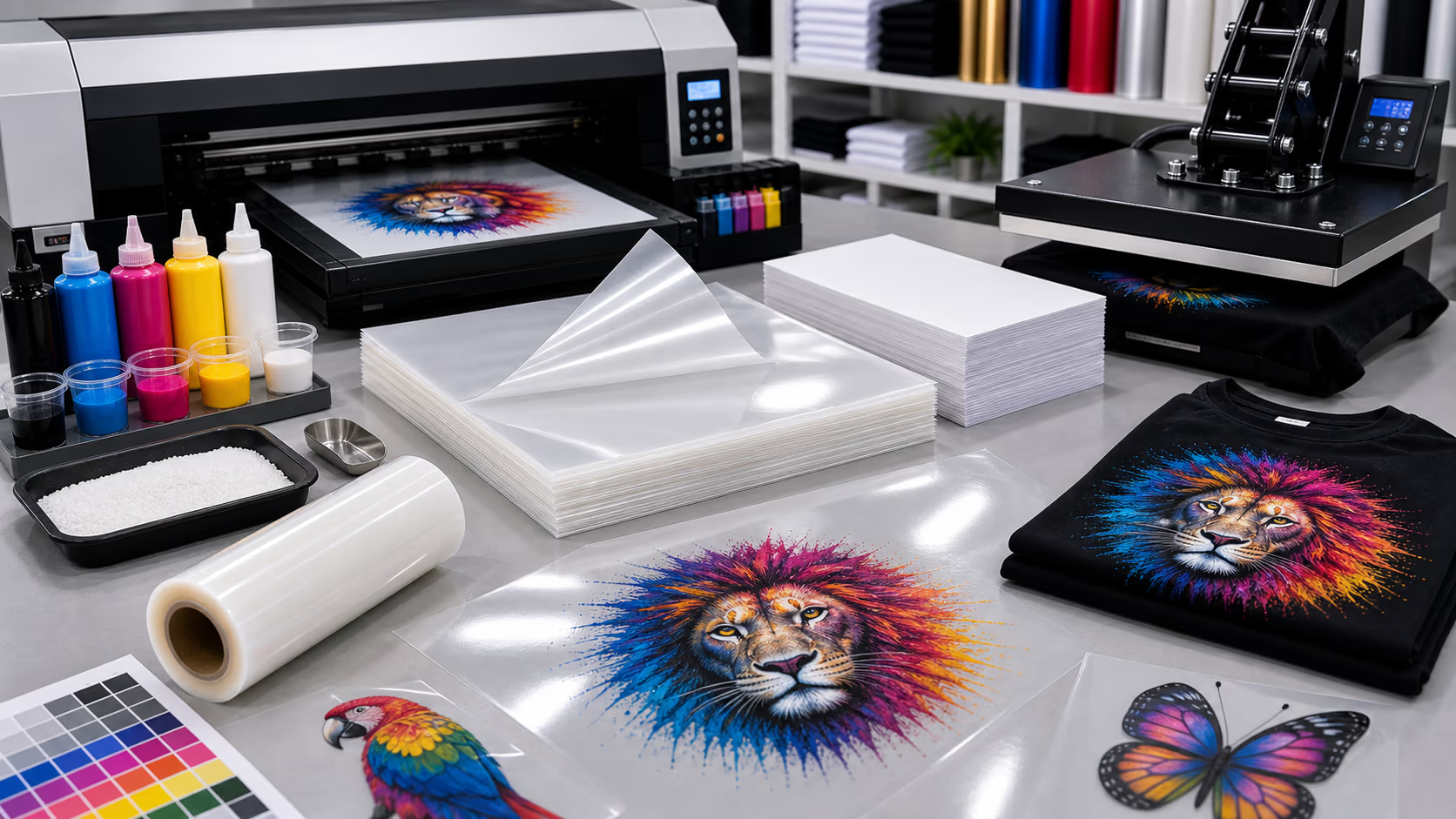
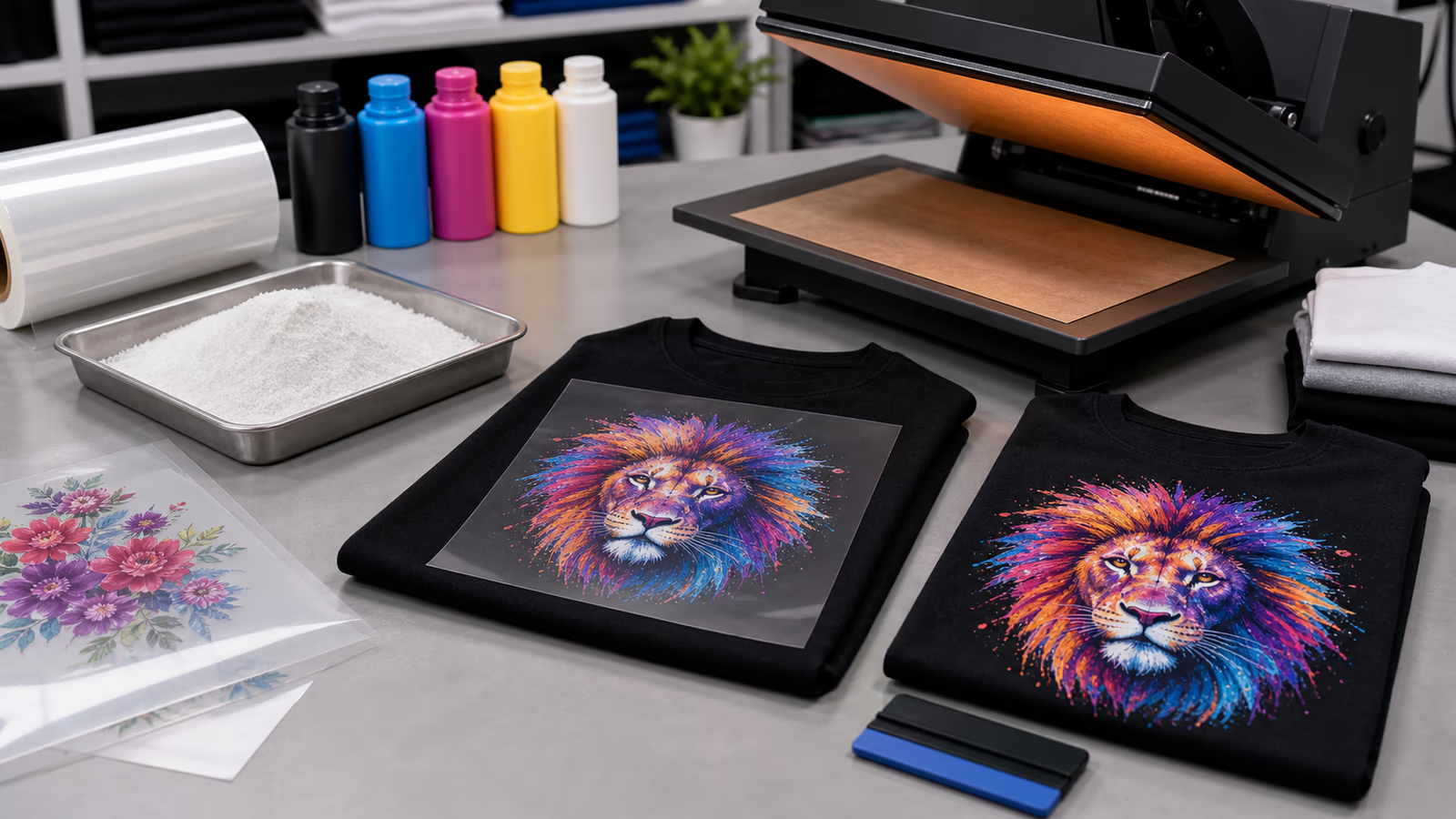
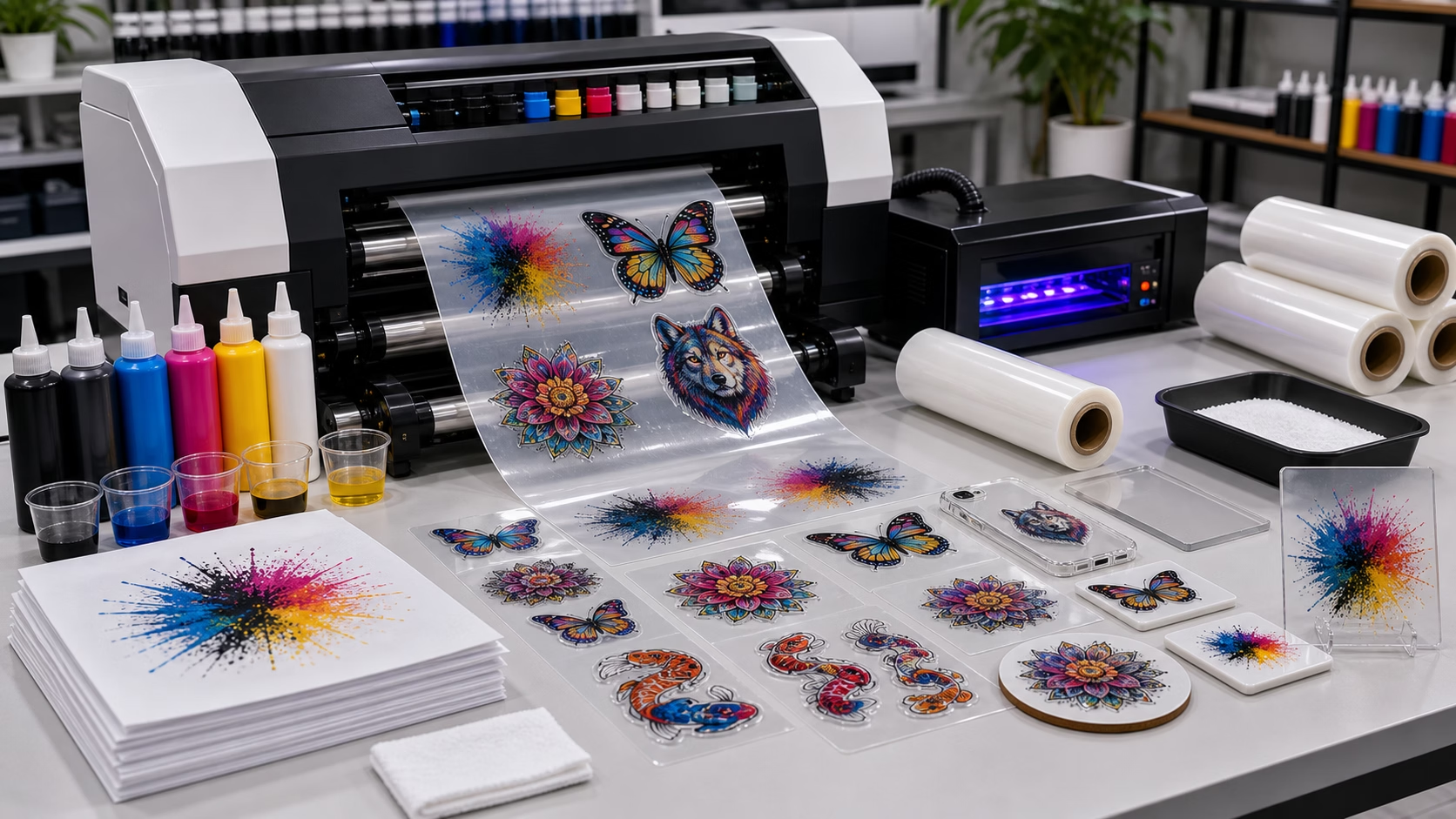
DTF printing stepped in as a game-changing solution, overcoming these drawbacks by decoupling the design printing process from substrate application. At the heart of this innovation lies PET film, which acts as a high-performance temporary carrier for DTF inks and adhesives. Unlike DTG’s direct substrate printing, DTF leverages PET film to first print designs, which are then transferred to textiles via heat and pressure. This approach unlocks compatibility with an extensive range of fabrics, from cotton and polyester to blends and synthetic materials, expanding the industry’s creative horizons.
PET Film: The Catalyst for DTF’s Success in Textile Printing
PET film’s unique properties have made it indispensable in DTF manufacturing, resolving key challenges that hindered earlier digital textile printing technologies. Its inherent durability and heat resistance allow it to withstand the high temperatures of ink curing and heat transfer without warping or melting. Moreover, the film’s smooth, coated surface provides an ideal foundation for DTF inks, ensuring sharp design details, vibrant color reproduction, and consistent ink adhesion—all critical elements for high-quality textile prints that meet consumer expectations.
Beyond its performance advantages, PET film’s versatility perfectly aligns with the demands of modern textile printing. It supports both small-batch customization and large-scale production, making it suitable for businesses of all sizes—from independent crafters to industrial manufacturers. Unlike screen printing’s fixed templates, PET film enables quick design changes with minimal setup time, empowering brands to offer personalized products, limited-edition collections, and rapid prototyping. Additionally, DTF printing with PET film eliminates the need for textile pre-treatment, streamlining production steps, reducing material waste, and lowering operational costs.
The Impact of PET Film-Infused DTF on the Textile Industry
The integration of PET film into DTF manufacturing has democratized the textile printing industry, enabling small businesses, crafters, and independent designers to compete on a level playing field with larger enterprises. By lowering entry barriers—reducing setup costs, expanding substrate compatibility, and shortening production times—PET film-driven DTF has fostered a culture of innovation and creativity. Brands can now experiment with intricate designs, bold color palettes, and diverse fabric types, catering to niche markets and evolving consumer preferences for unique, high-quality textiles.
From an environmental perspective, PET film has also contributed to more sustainable textile printing practices. DTF printing with PET film generates less waste compared to screen printing, which relies on disposable screens. Additionally, it uses water-based inks that are safer for workers and the environment, while PET film itself is recyclable. These features align DTF manufacturing with the industry’s growing focus on eco-friendly operations, supporting a more sustainable future.
Future Trends: Advancing PET Film for DTF Manufacturing
As the textile industry continues to evolve, PET film technology for DTF manufacturing is poised for further advancements. Ongoing research and development efforts are focused on enhancing the film’s ink adhesion, improving its recyclability, and creating specialized variants tailored to specific textile applications—such as stretchable films for activewear and waterproof films for outdoor textiles. These innovations will further expand DTF’s capabilities, enabling even more diverse, durable, and high-performance textile prints.
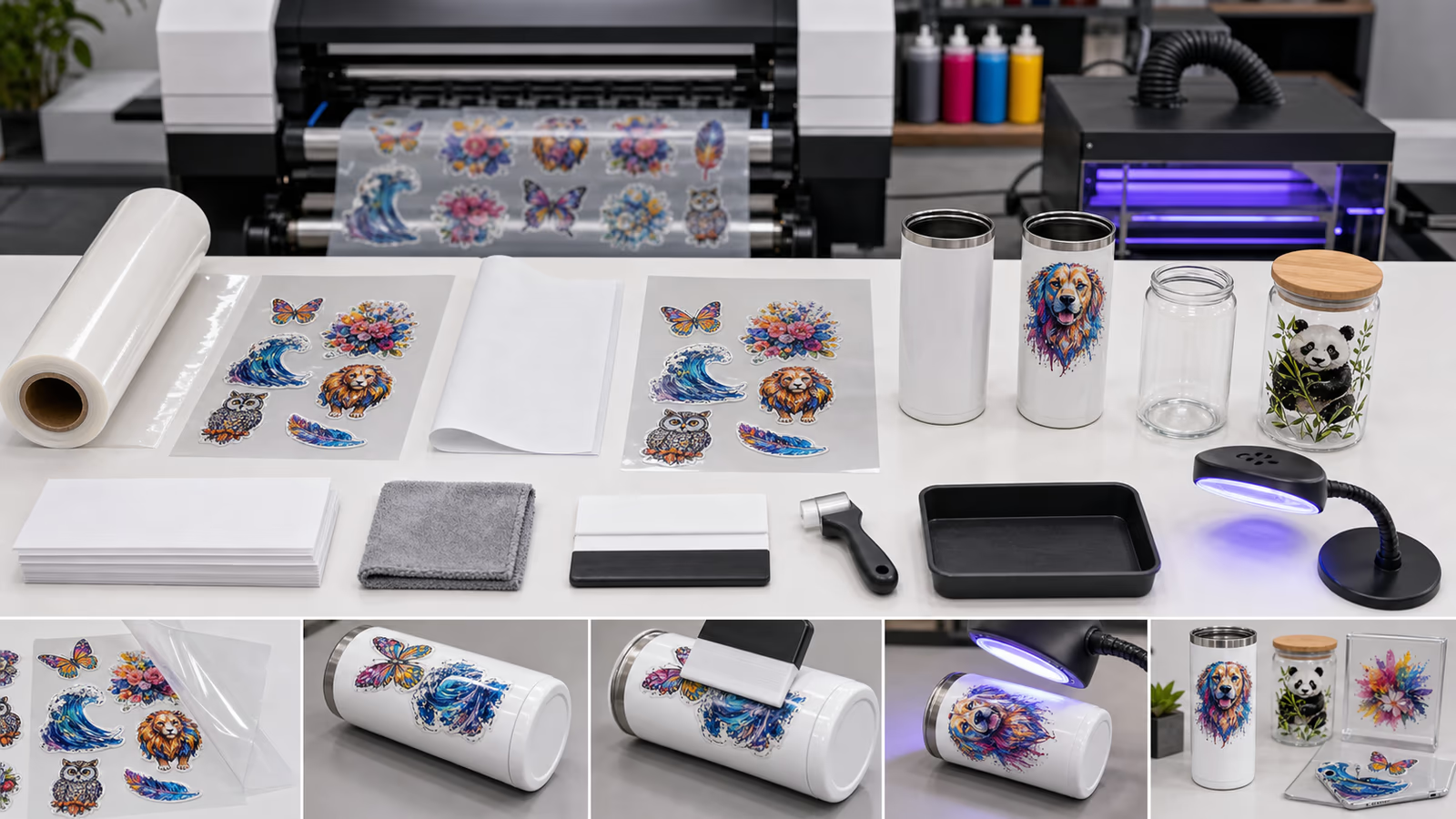
Furthermore, the integration of UV curing technology with PET film-based DTF printing is gaining momentum, offering faster production cycles and enhanced print durability. UV DTF printing on PET film cures inks instantly, eliminating drying time and boosting throughput—a critical advantage in meeting the fast-paced demands of the modern textile market.
Conclusion
The evolution of textile printing has been defined by a constant drive toward efficiency, versatility, and quality, and the adoption of PET film for DTF manufacturing represents a pivotal milestone in this journey. PET film has transformed DTF printing from a niche technology into a mainstream solution, unlocking new possibilities for textile decoration and empowering businesses to meet the demands of a personalized, on-demand market. As PET film technology continues to advance, it will remain a key enabler of innovation, shaping the future of how we design, produce, and consume textile products.