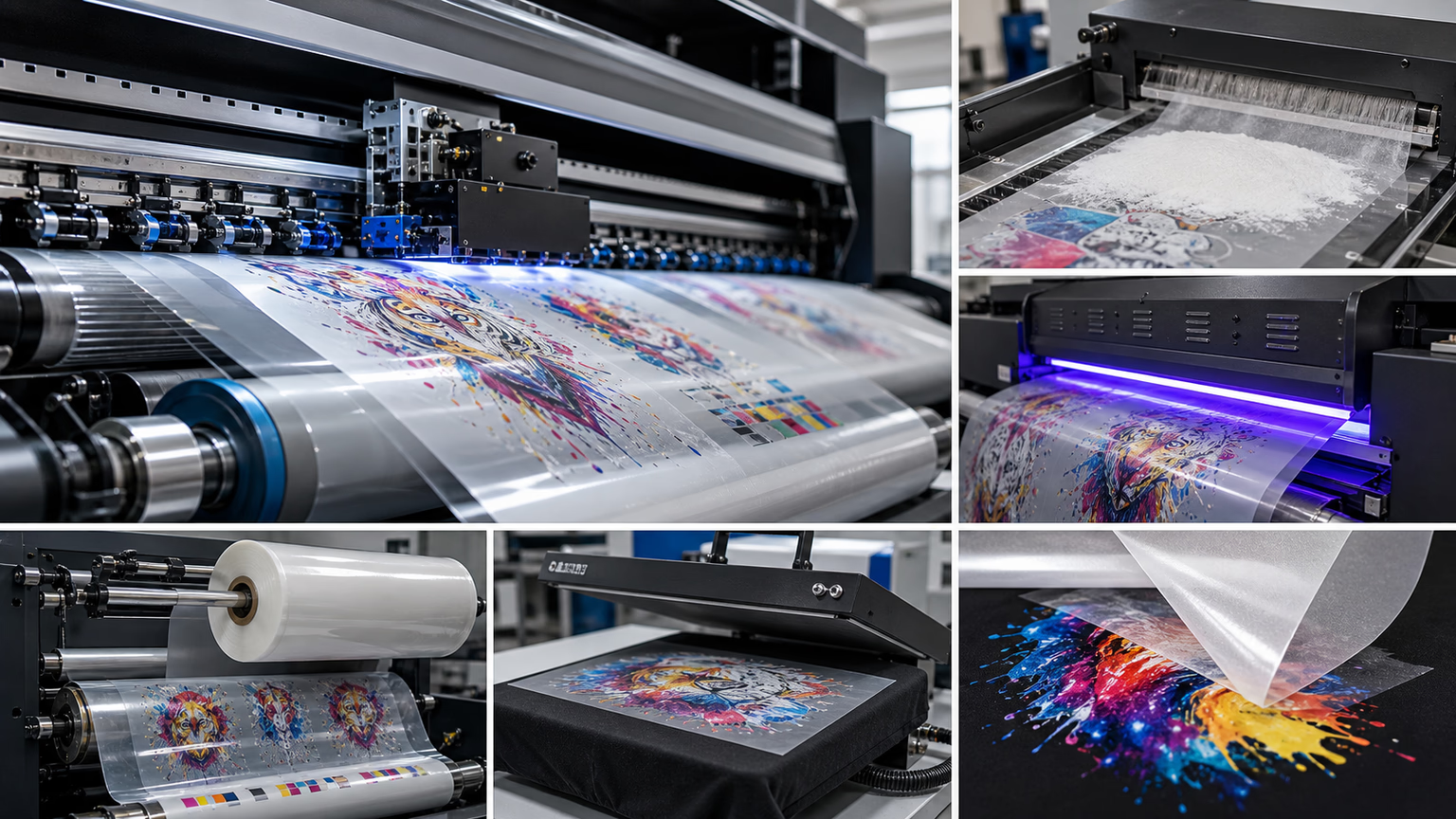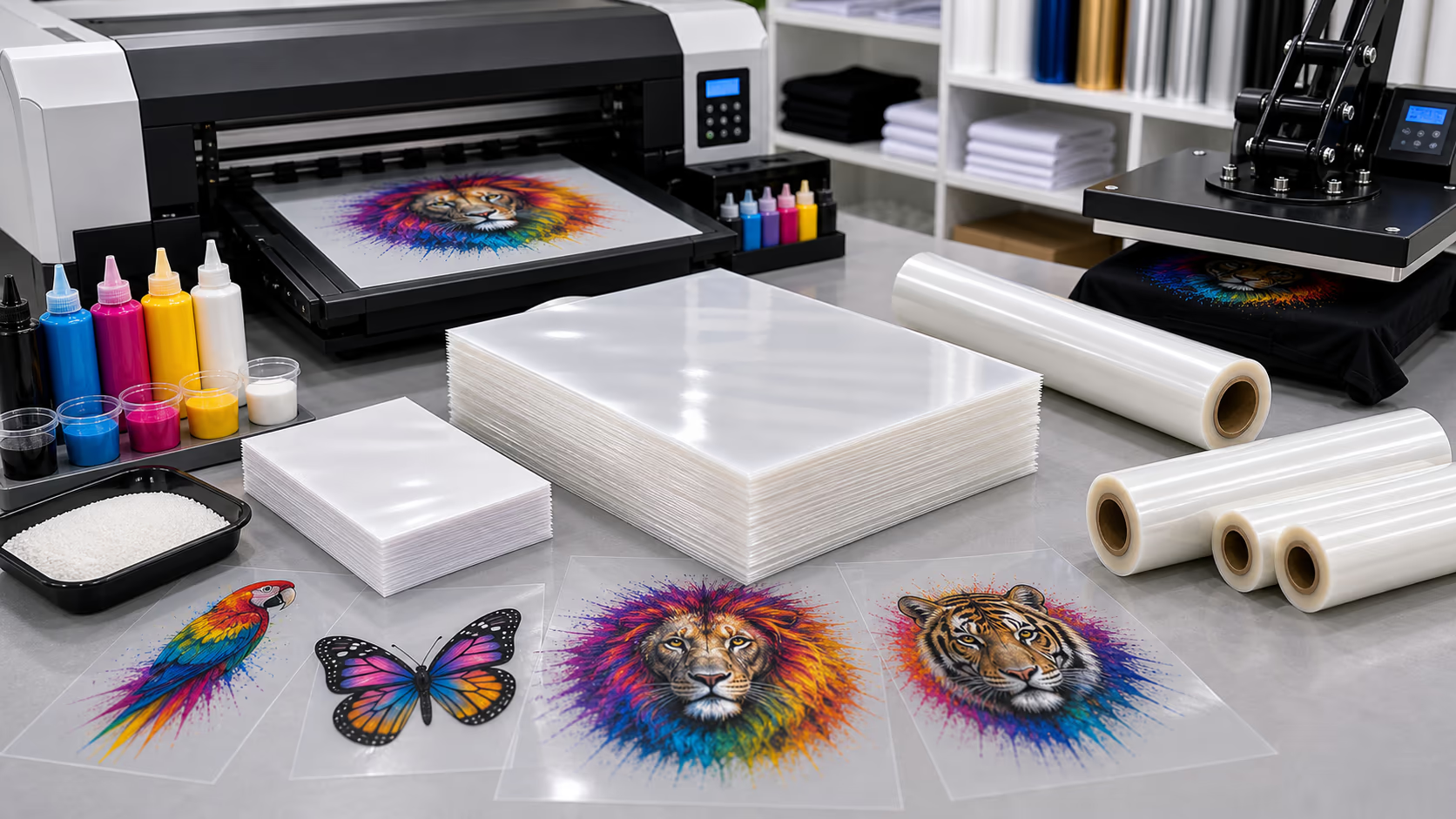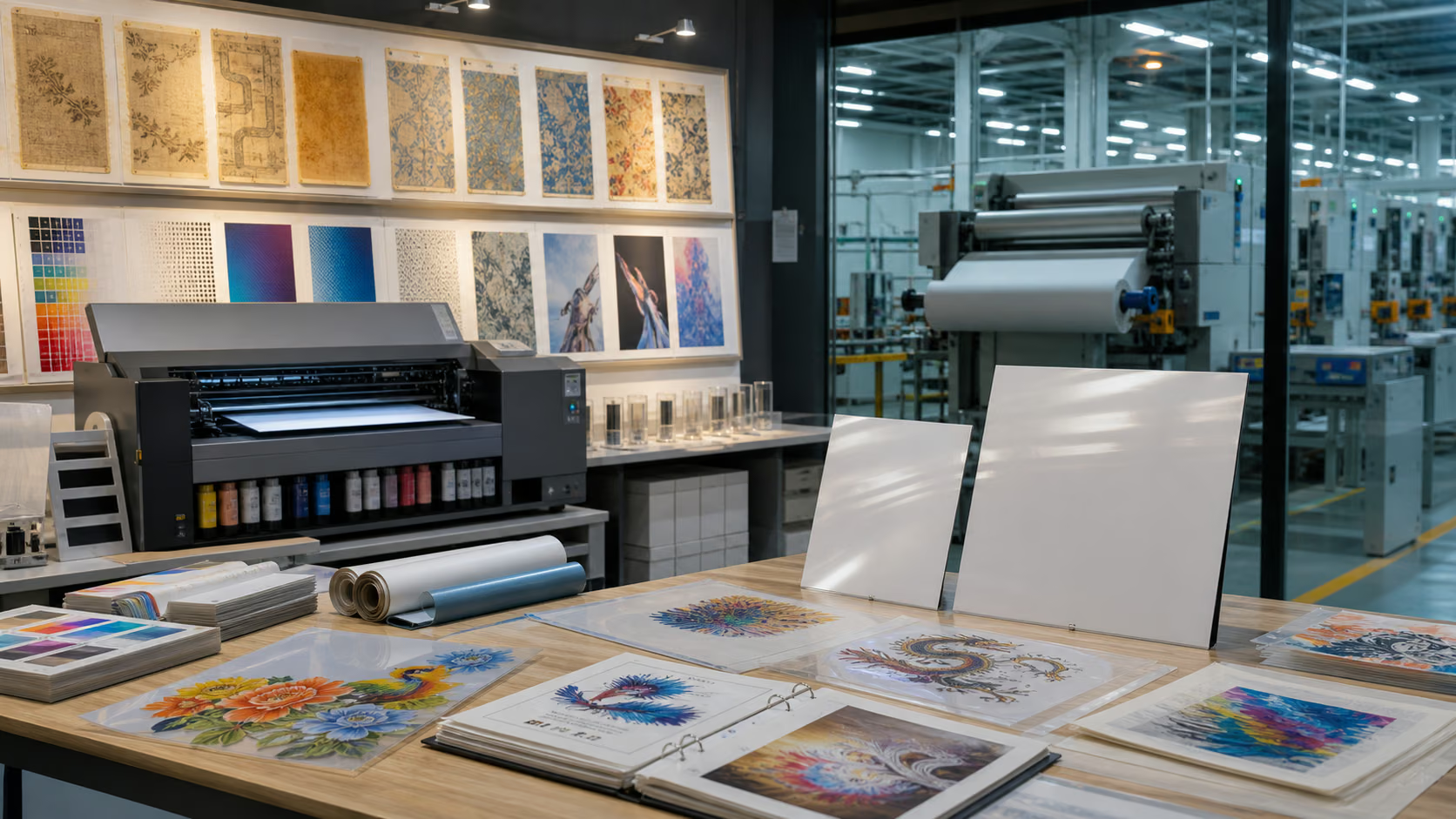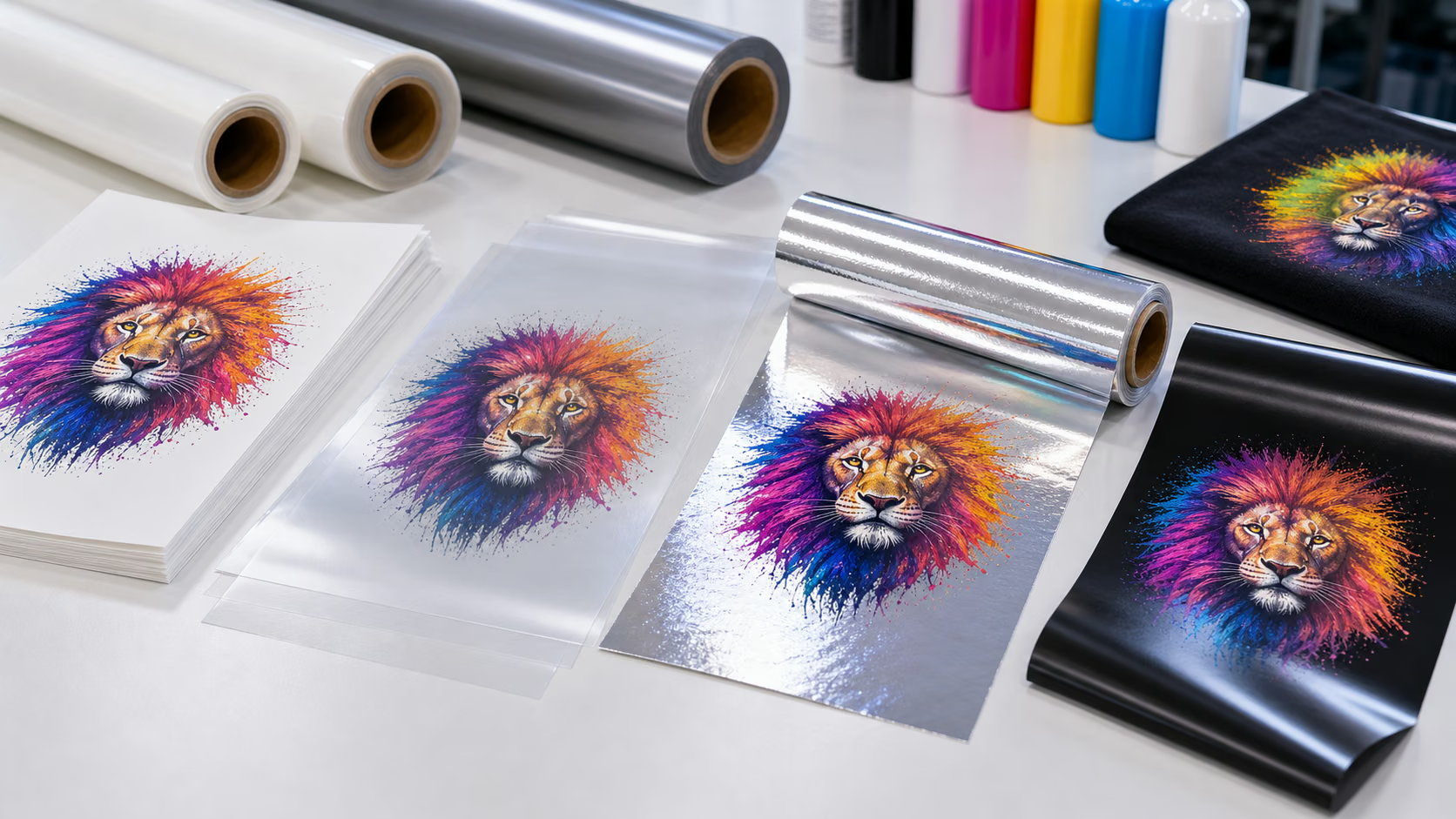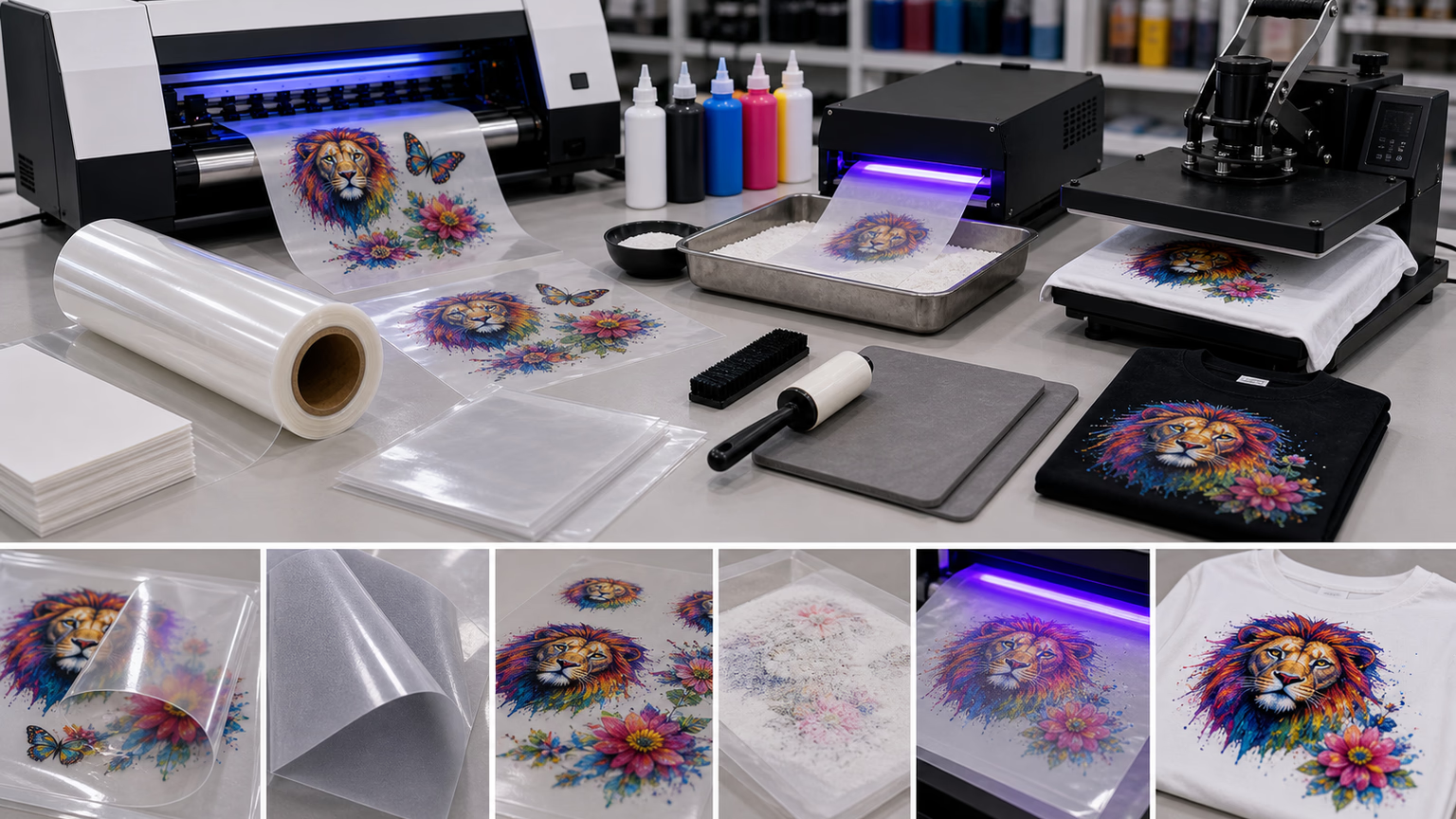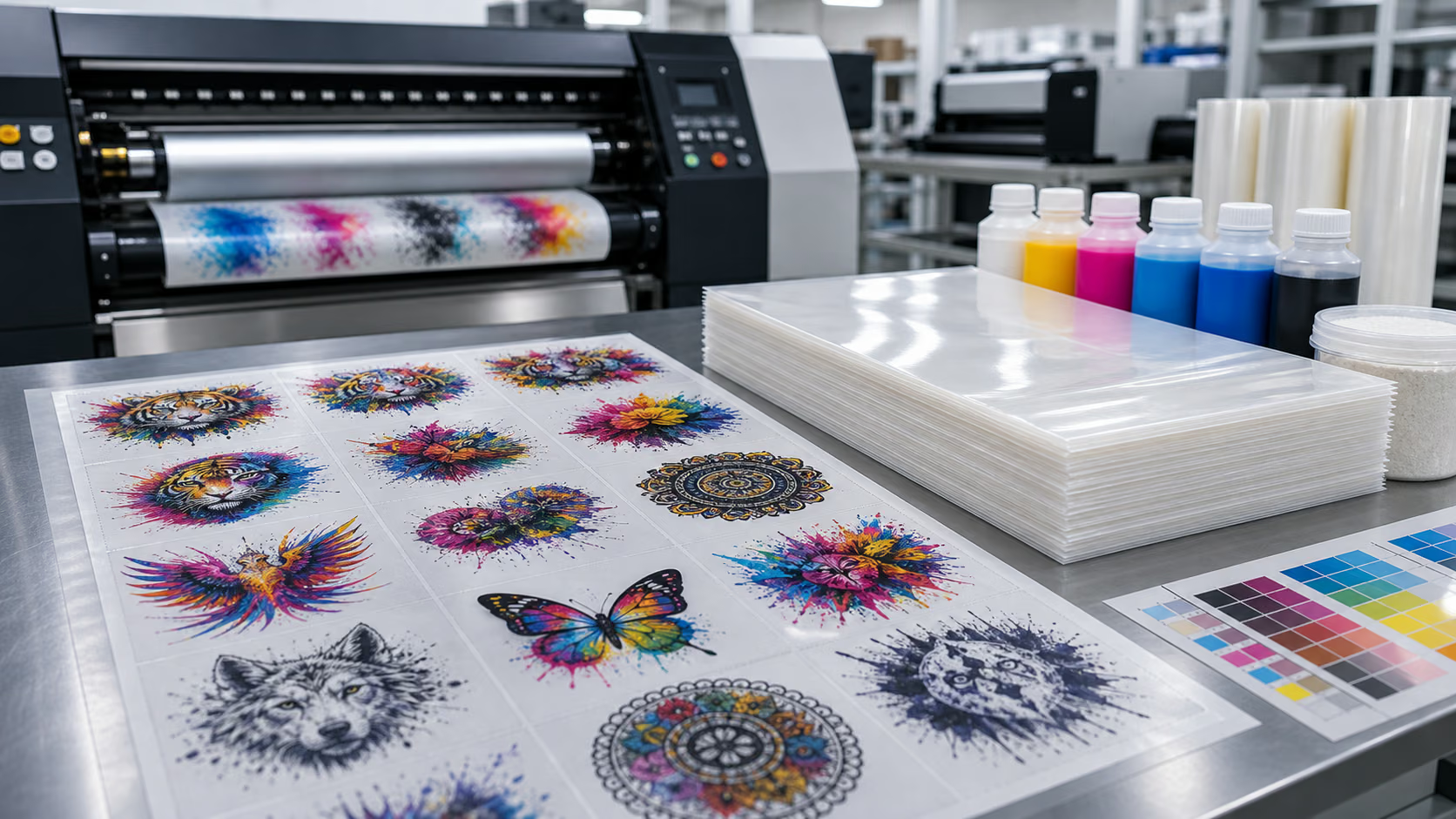
Textile printing has undergone a seismic shift in recent years, with Direct-to-Film (DTF) technology emerging as a transformative force—largely driven by the innovation and expansion of DTF material manufacturers. These manufacturers, once niche players, have evolved into industry pillars, developing high-performance films, inks, and adhesives that address the longstanding limitations of traditional textile printing methods like screen printing and heat transfer vinyl (HTV). By prioritizing accessibility, durability, and versatility, DTF material manufacturers have democratized custom textile printing, empowering small businesses, crafters, and large apparel brands alike to bring bold, detailed designs to life. This article explores how the rise of these manufacturers is reshaping the textile printing landscape, from technical breakthroughs to market-wide impact.
1. The Pre-DTF Era: Pain Points That Fueled Demand
Before the proliferation of DTF materials, textile printers grappled with a host of challenges that restricted creativity and profitability. These pain points created a gap that DTF material manufacturers were poised to fill, laying the groundwork for their rapid rise.
1.1 Limitations of Traditional Textile Printing
Screen printing, the long-dominant method, required expensive setup costs, time-consuming stencil creation, and was impractical for small-batch orders. HTV, while more flexible, suffered from poor durability—prints often peeled or cracked after repeated washes—and limited design complexity. Sublimation, another popular option, was restricted to polyester fabrics, excluding the cotton and cotton blends favored by most apparel brands. These constraints left a vast market underserved, particularly small businesses and hobbyists seeking cost-effective, high-quality customization.
1.2 The Demand for a “Better” Solution
As consumer demand for personalized textiles surged—from custom t-shirts to branded activewear—printers clamored for a technology that combined the versatility of HTV, the durability of screen printing, and the accessibility of digital methods. This demand created a fertile environment for DTF material manufacturers to innovate, turning DTF from a experimental technique into a mainstream solution.
2. DTF Material Manufacturers: Drivers of Technical Innovation
The rise of DTF in textile printing is not accidental—it is the direct result of DTF material manufacturers’ relentless focus on refining core components. Their advancements in films, inks, and adhesives have been the cornerstone of DTF’s success.
2.1 DTF Films: From Basic Carriers to High-Performance Substrates
Early DTF films were thin, prone to warping, and limited in compatibility. Today’s manufacturers have reimagined DTF films for textile use: Fabric-Specific Formulations: 100–120 micron polyester (PET) films with flexible coatings that move with stretchy fabrics like spandex, preventing cracking during wear.Uniform Coating: Smooth, even receptive layers that ensure consistent ink absorption, eliminating patchy prints on cotton and blends.Heat Resistance: Films that withstand the 150–160°C heat pressing required for textile bonding without melting or releasing toxic fumes.
2.2 DTF Inks: Vibrancy and Durability for Textiles
DTF material manufacturers have revolutionized ink technology to meet the unique needs of textiles, which face frequent washing, stretching, and exposure to sunlight: Wash-Resistant Formulations: Water-based pigmented inks that bond tightly to fabric fibers, retaining vibrancy after 50+ washes—surpassing HTV and matching screen printing durability.Color Versatility: CMYK+White ink systems that deliver opaque prints on dark textiles, with optional neon or metallic inks for bold designs.Soft Feel: Inks that dry to a lightweight, non-crunchy finish, avoiding the stiff texture associated with screen printing.
2.3 Adhesives: The “Bond” That Makes Textile DTF Work
Adhesives are the unsung heroes of DTF textile printing, and manufacturers have engineered formulations specifically for fabric bonding: Flexible Hot-Melt Adhesives: Adhesives that melt at low temperatures (100–120°C) and remain flexible after curing, adapting to fabric stretch without peeling.Fabric Compatibility: Formulations tailored to cotton, polyester, linen, and blends, ensuring strong adhesion across the most common textile substrates.Clean Peel: Adhesives that release smoothly from the PET film during cold or warm peel, leaving no residue on the printed design.
3. Market Impact: Democratizing Textile Printing for All
By making high-quality DTF materials accessible and affordable, manufacturers have democratized textile printing, leveling the playing field for businesses of all sizes and expanding the market’s creative potential.
3.1 Empowering Small Businesses and Crafters
Prior to DTF material innovation, small-scale printers were priced out of high-quality customization by screen printing’s setup costs. Today, manufacturers offer DTF materials in small quantities—from 50-sheet film packs to 100ml ink bottles—making the technology accessible to home crafters and micro-businesses. A local boutique, for example, can now print 20 custom hoodies for a seasonal promotion without investing in expensive equipment or minimum orders.
3.2 Enabling Fast Fashion and Trend-Driven Design
Fast fashion brands rely on quick turnaround times to capitalize on viral trends, and DTF material manufacturers have risen to the challenge. Their high-speed production of DTF films and inks allows brands to move from design to finished product in 24–48 hours—far faster than screen printing’s 1–2 week lead time. This agility has made DTF the go-to choice for streetwear labels and fast fashion retailers, who can now respond to consumer demand with unprecedented speed.
3.3 Expanding the Scope of Textile Customization
DTF materials have expanded textile printing beyond traditional apparel to include a wide range of soft goods: Activewear: Flexible DTF prints on leggings, sports bras, and jackets that resist stretching and sweating.Home Textiles: Custom designs on pillowcases, throw blankets, and tea towels.Accessories: Small-batch prints on hats, scarves, and tote bags. This expansion has opened new revenue streams for printers and brands, driven by the versatility of DTF materials.
4. The Future: What’s Next for DTF Material Manufacturers
As DTF continues to dominate textile printing, manufacturers are focusing on the next wave of innovation to maintain their momentum and address emerging market needs.
4.1 Sustainable Materials
Eco-consciousness is reshaping the textile industry, and DTF material manufacturers are responding with sustainable solutions: biodegradable PET films, water-based inks with low VOC emissions, and recyclable adhesive packaging. These innovations aim to reduce DTF’s environmental footprint while maintaining performance.
4.2 Smart Materials and Functional Prints
Manufacturers are exploring “smart” DTF materials, such as inks that change color with temperature or films that enhance moisture-wicking in activewear. These functional prints add value to textiles, opening new opportunities in sportswear, outdoor gear, and medical apparel.
4.3 Global Accessibility
Leading DTF material manufacturers are expanding their global reach, establishing distribution networks in emerging markets in Asia, Africa, and South America. This expansion will bring DTF technology to even more printers, further democratizing textile customization worldwide.
5. Conclusion: DTF Material Manufacturers as Industry Catalysts
The rise of DTF material manufacturers has not just introduced a new printing method—it has revolutionized the entire textile customization ecosystem. By solving the pain points of traditional printing, innovating high-performance materials, and making DTF accessible to all, these manufacturers have empowered creativity, agility, and profitability across the industry. From a home crafter printing personalized gifts to a global apparel brand launching trend-driven collections, DTF materials have become the backbone of modern textile printing.
As manufacturers continue to push the boundaries of sustainability, functionality, and accessibility, DTF’s role in textile printing will only grow stronger. The future of textile customization is bright—and it is being written by the DTF material manufacturers who turn technical possibilities into creative realities.