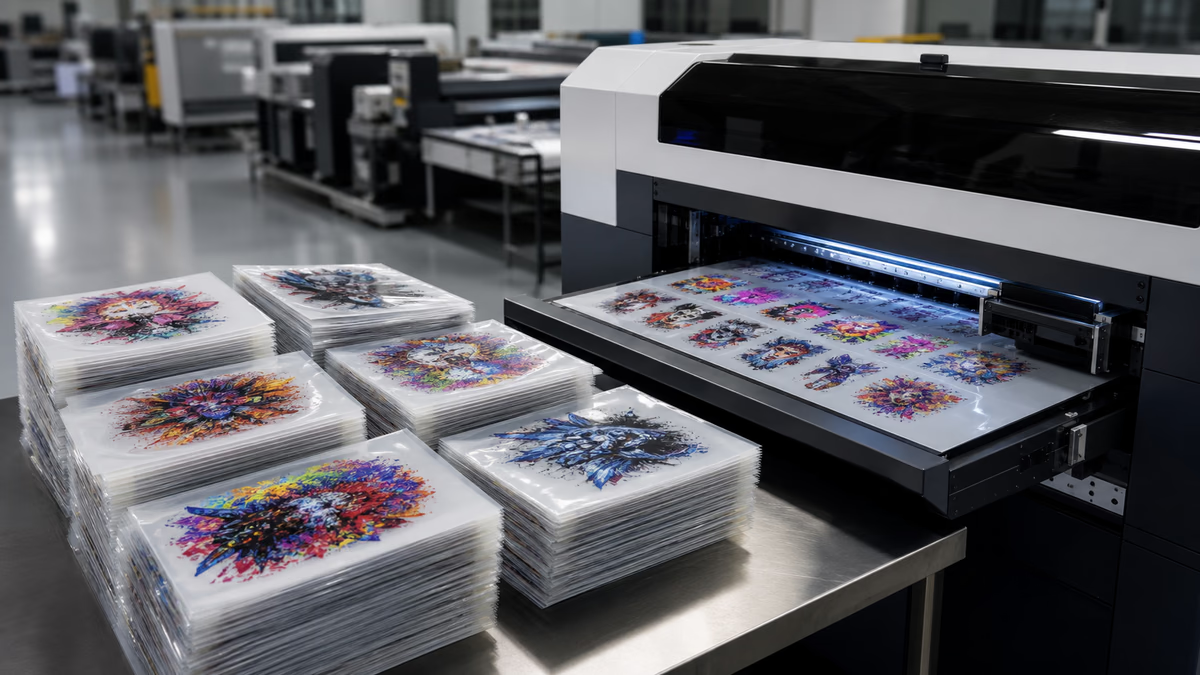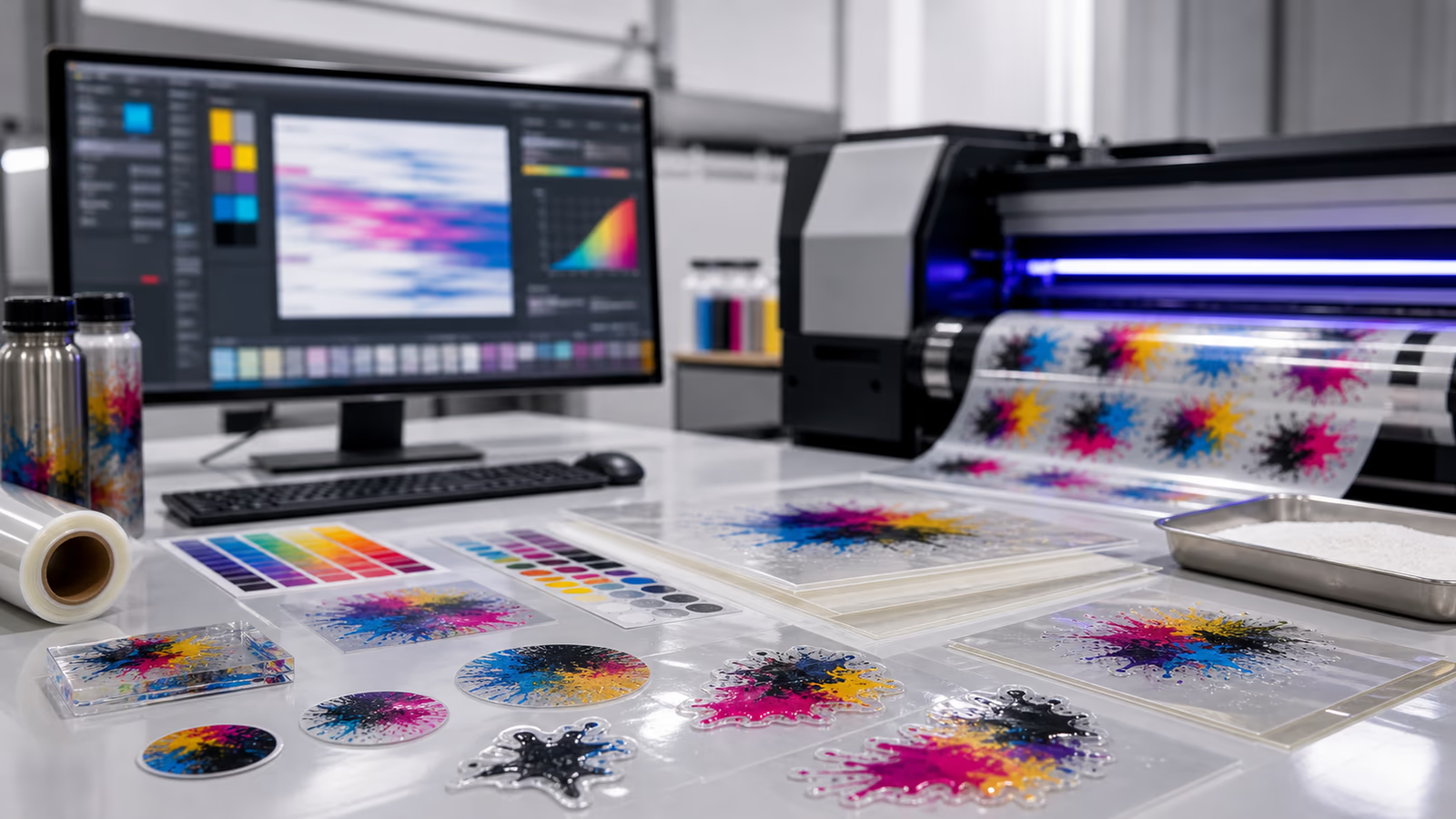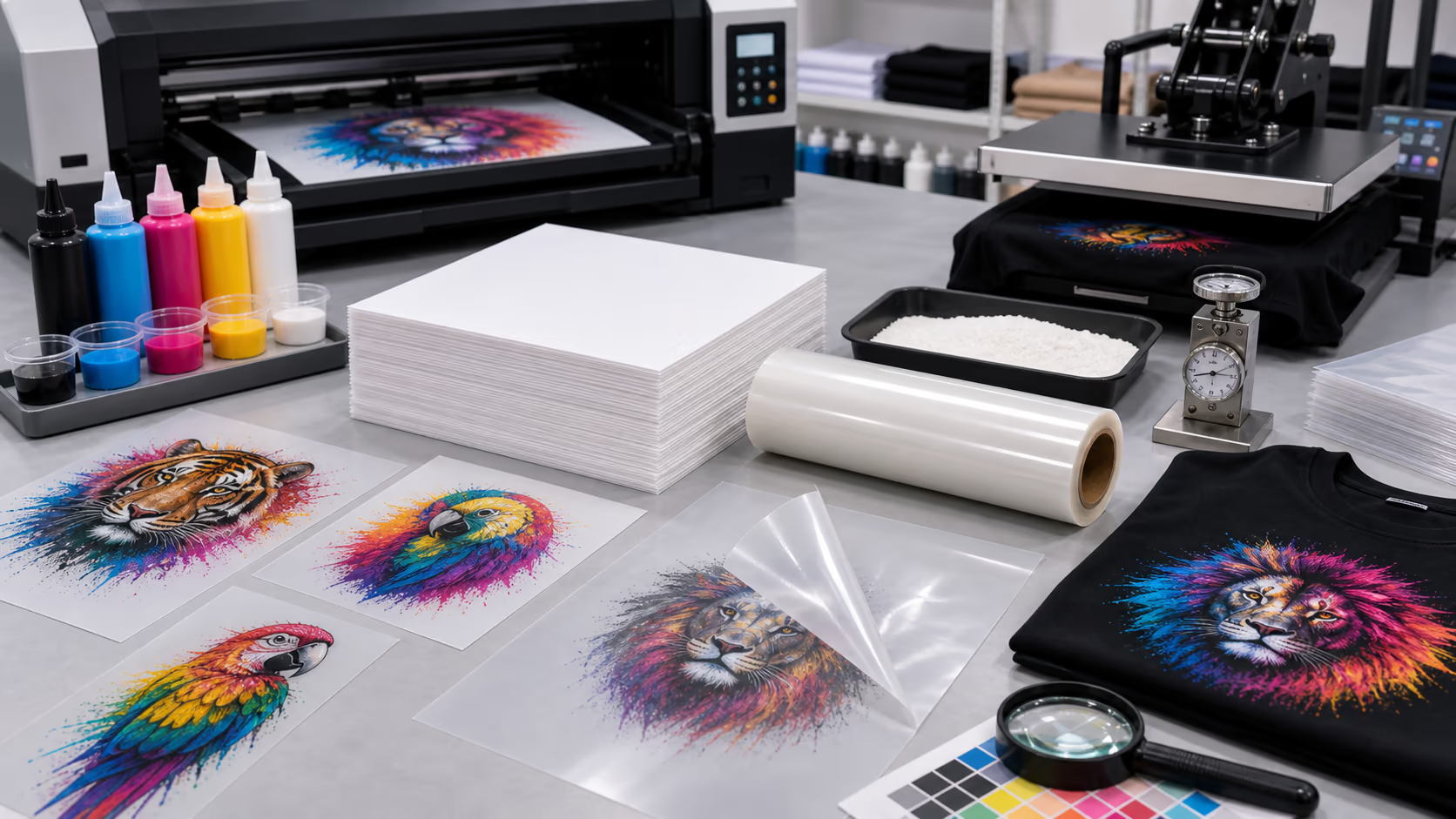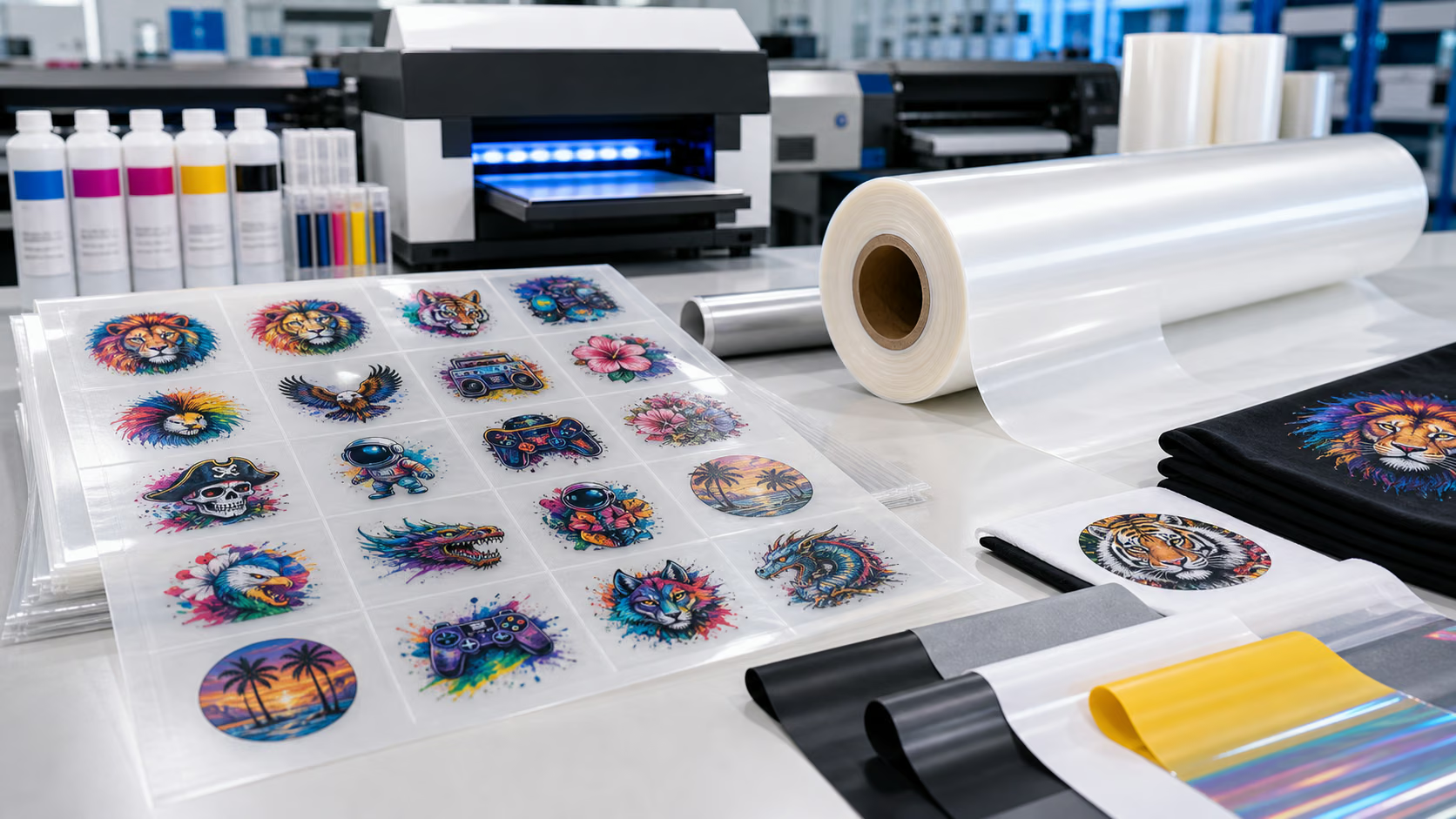
The textile printing industry has undergone remarkable technological transformations over the decades, evolving from labor-intensive screen printing to cutting-edge digital solutions. Among these innovations, Direct-to-Film (DTF) printing has emerged as a transformative force, redefining flexibility, quality, and efficiency in custom apparel production. Within the DTF ecosystem, glossy DTF transfer film stands out as a critical component, elevating print aesthetics and performance to unprecedented levels. This article explores the unique properties of glossy DTF transfer film, its advantages over traditional printing methods, key applications, and the reasons behind its status as a game-changer for businesses and creators in the textile industry.
Understanding Glossy DTF Transfer Film: Basics and Core Function
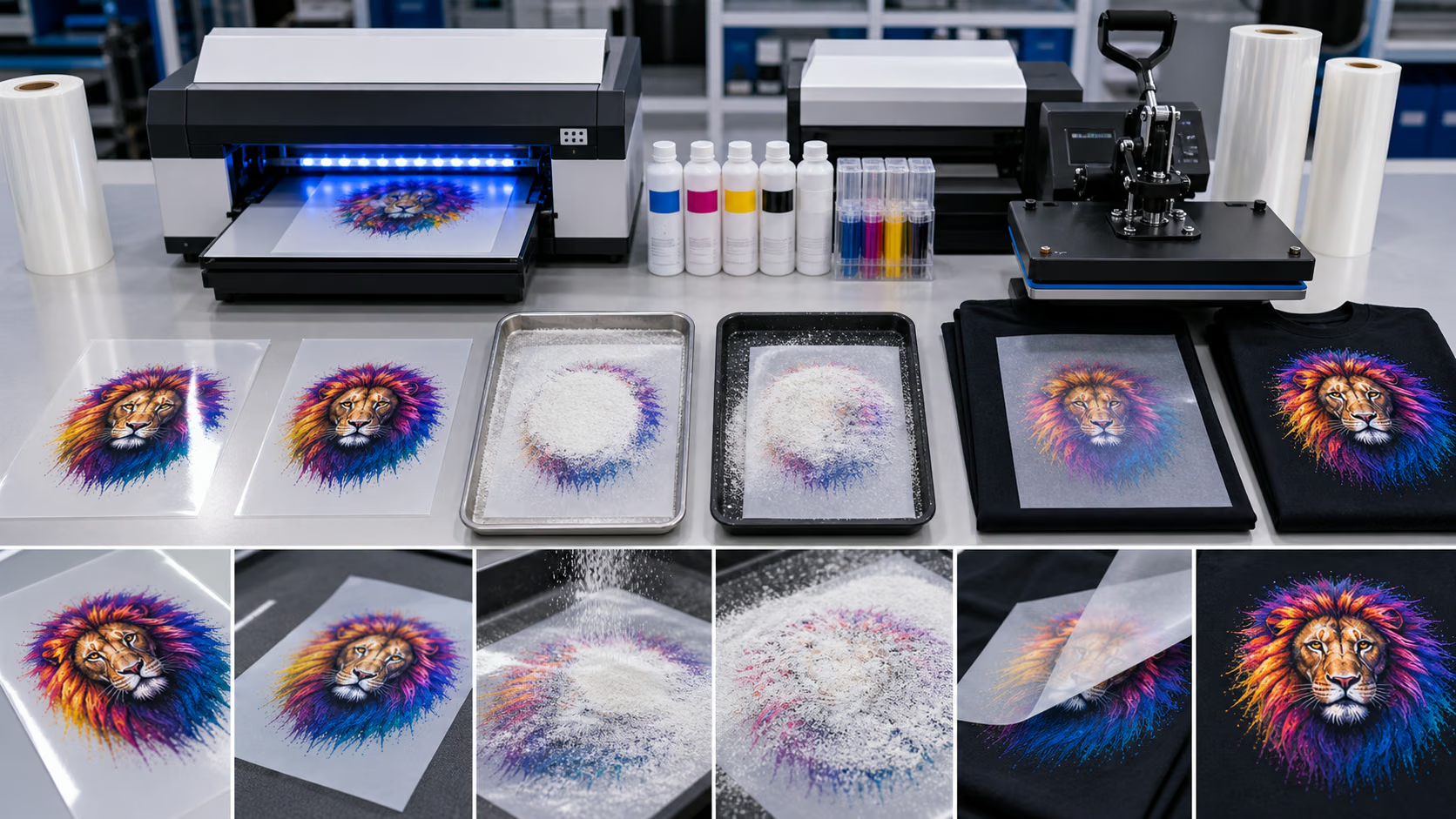
To fully grasp the value of glossy DTF transfer film, it is essential to first understand the fundamentals of DTF printing technology. At its core, DTF printing involves transferring digitally designed graphics from a specialized film to fabric via heat and pressure—a process that eliminates many limitations of traditional printing techniques. The transfer film serves as a temporary carrier for ink and adhesive, facilitating the precise bonding of the design to the textile surface.
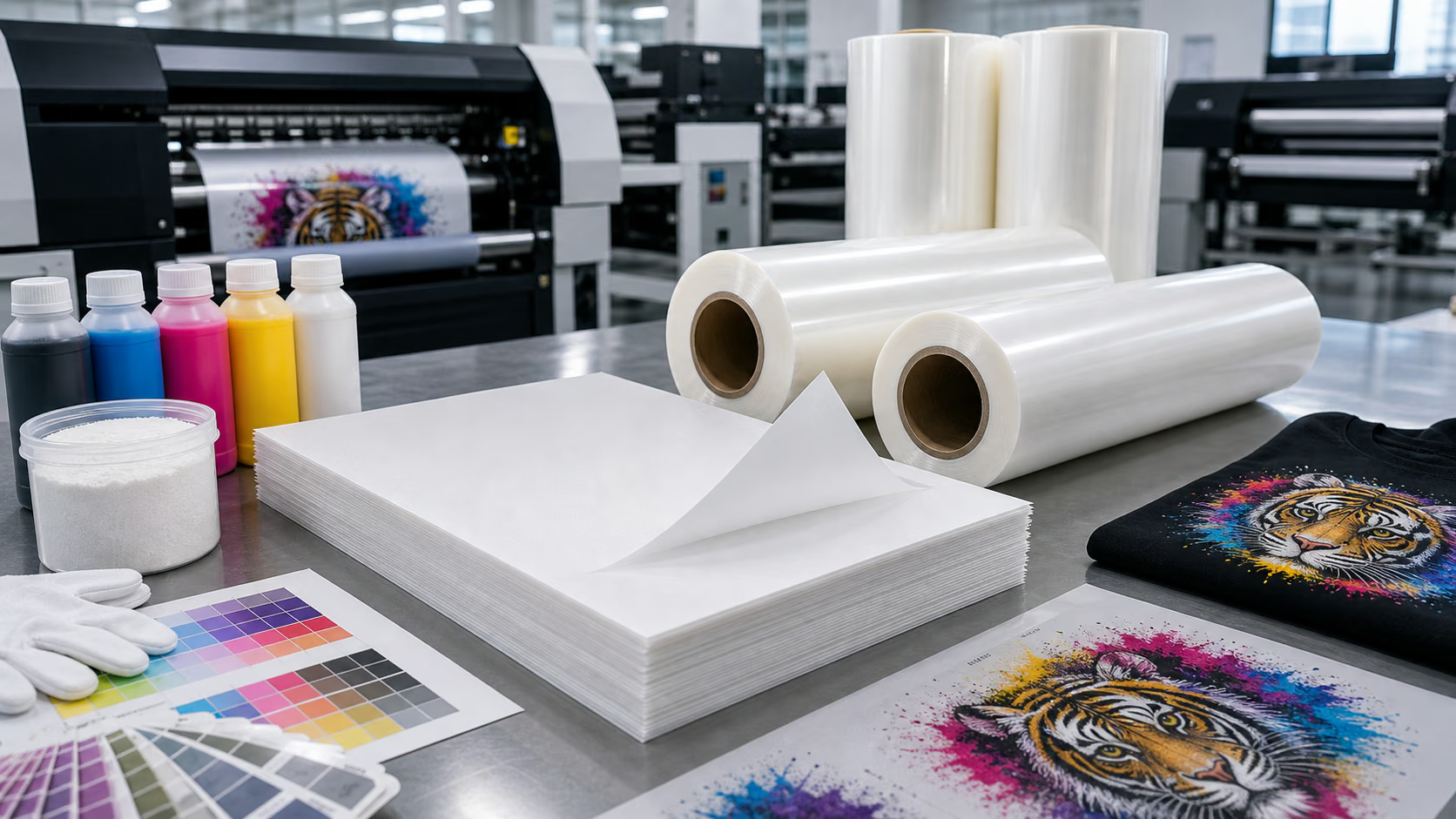
Glossy DTF transfer film is a polyethylene terephthalate (PET) film coated with a specialized layer that enables precise ink absorption and smooth transfer. Unlike matte DTF film, which offers a muted, natural finish, glossy DTF film features a shiny, reflective surface that enhances color vibrancy and creates a polished, premium appearance. Beyond aesthetics, its coating ensures compatibility with water-based DTF inks, enables uniform application of adhesive powder, and maintains structural stability during heating and peeling. Whether used for bold logos, intricate patterns, or photorealistic designs, glossy DTF transfer film acts as a reliable bridge between digital artwork and physical textiles.
Key Advantages: Why Glossy DTF Transfer Film Stands Out
The growing popularity of glossy DTF transfer film stems from a range of advantages that address longstanding challenges faced by textile printers. These benefits make it an superior choice for both small-batch custom orders and large-scale production runs.
1. Unmatched Color Vibrancy and Visual Appeal
The most distinctive feature of glossy DTF transfer film is its ability to enhance color saturation and sharpness. Its reflective surface amplifies the brightness of printed designs, making hues richer and more eye-catching— a key advantage for fashion-forward apparel, promotional merchandise, and sportswear that requires standout appeal. Unlike screen printing, which often struggles with color gradients and fine details, glossy DTF film preserves intricate design elements (from fine lines to photorealistic textures), ensuring faithful reproduction of digital artwork on fabric.
2. Versatility Across Fabric Types
Traditional printing methods are often limited by fabric compatibility. For instance, sublimation printing works effectively only on polyester, while screen printing requires extensive pre-treatment for cotton blends. Glossy DTF transfer film breaks these barriers, enabling seamless printing on virtually all textiles—including cotton, polyester, nylon, denim, silk, and stretchy fabrics like spandex. This versatility eliminates the need for specialized films for different materials, simplifying production workflows and expanding the product range printers can offer.
3. Durability and Long-Lasting Performance
A major concern with digital textile printing is print durability—specifically, whether designs will fade or peel after repeated washes. Glossy DTF transfer film addresses this by working in tandem with DTF adhesive powder. During curing, the powder melts and encapsulates the ink, forming a strong bond with fabric fibers. The resulting prints resist washing, stretching, and abrasion, maintaining their glossy finish and color integrity even after multiple wash cycles. This durability makes glossy DTF prints suitable for everyday apparel, workwear, and other high-wear items.
4. Cost-Effectiveness and Efficiency
For small to medium-sized orders, glossy DTF transfer film offers significant cost advantages over traditional methods like screen printing, which requires expensive setup and stencil creation for each color. DTF printing with glossy film eliminates these setup costs, as designs can be printed directly from digital files without additional tooling. The process is also streamlined: after printing on the film, applying adhesive powder, curing, and heat-pressing, the film is peeled away (hot or cold, depending on the type) to reveal the finished print. This efficiency reduces turnaround times, enabling printers to fulfill custom orders quickly and meet tight deadlines.
Glossy DTF vs. Traditional Printing Methods: A Comparative Edge
To fully appreciate why glossy DTF transfer film is a game-changer, it is useful to compare it to two dominant traditional textile printing methods: screen printing and Direct-to-Garment (DTG) printing.
Screen printing, an industry staple for decades, excels at large-volume orders but struggles with small runs and complex designs. The need for a separate stencil per color increases setup time and costs, making it impractical for multi-colored or detailed graphics. In contrast, glossy DTF film handles complex designs effortlessly and remains cost-effective even for single-piece orders. While screen printing produces durable prints, it cannot match the color vibrancy and detail retention of glossy DTF.
DTG printing, which prints directly onto fabric, offers high detail but is primarily limited to cotton and light-colored fabrics. It also requires pre-treatment, adding time and cost to the process. Glossy DTF transfer film overcomes these limitations by working on a wide range of fabrics (including dark colors, no pre-treatment needed) and delivering a glossier, more vibrant finish. Furthermore, DTG printers require significant upfront investment, while DTF printing with glossy film can be implemented with minimal equipment—essentially a heat press and a DTF printer.
Ideal Applications: Where Glossy DTF Transfer Film Shines
The unique properties of glossy DTF transfer film make it ideal for various textile applications, especially those prioritizing visual impact and premium aesthetics. Common use cases include:
- Fashion and Streetwear: Glossy DTF prints are ideal for fashion-forward clothing lines, streetwear, and limited-edition drops. The reflective finish adds a sleek, modern touch to t-shirts, hoodies, and jackets, helping designs stand out in a competitive market.
- Promotional Merchandise: Brands and organizations frequently use glossy DTF transfer film for promotional items such as tote bags, caps, and jerseys. The vibrant, eye-catching prints boost brand visibility and leave a lasting impression on recipients.
- Sportswear: The durability and flexibility of glossy DTF prints make them suitable for sportswear, which endures frequent movement and washing. The glossy finish also enhances team logos and graphics on jerseys, shorts, and warm-ups.
- Event-Specific Custom Apparel: From concert t-shirts to marathon bibs, glossy DTF transfer film enables quick production of custom apparel for events. Its fast turnaround ensures orders are fulfilled on time, while the high-quality finish keeps customers satisfied.
The Future of Textile Printing: Glossy DTF’s Evolving Role
As the textile printing industry continues to embrace digital innovation, glossy DTF transfer film is set to play an increasingly prominent role. Technological advances—such as improved coating formulas and thinner substrates—are making glossy DTF prints softer and more breathable, addressing one of the few remaining concerns with DTF printing. Additionally, the growing demand for sustainable solutions is driving the development of eco-friendly glossy DTF films and inks, reducing waste and environmental impact compared to traditional methods.
For small businesses, hobbyists, and large-scale printers alike, glossy DTF transfer film offers an accessible, high-quality, and versatile printing solution. It empowers creators to bring ambitious designs to life, regardless of fabric type or order size, and helps businesses stay competitive in a market that demands customization and speed.
Conclusion
Glossy DTF transfer film is more than a printing accessory—it is a transformative technology reshaping the textile printing landscape. Its ability to deliver vibrant, durable, and visually striking prints across a wide range of fabrics, combined with cost-effectiveness and efficiency, cements its status as a game-changer. Whether used for fashion, promotions, sportswear, or events, glossy DTF transfer film empowers creators and businesses to push the boundaries of textile design. As technology evolves, glossy DTF transfer film will undoubtedly remain at the forefront of digital textile printing innovation.