In the dynamic world of custom apparel, the demand for unique, high-quality decorative techniques continues to rise. Faux Embroidery DTF (Direct-to-Film) Printing Solution has emerged as a groundbreaking innovation, bridging the gap between the classic elegance of embroidery and the versatility of digital printing. This cutting-edge technology replicates the textured, three-dimensional look of traditional embroidery with remarkable precision, while offering greater flexibility, cost-efficiency, and design freedom. As a game-changer in custom apparel production, it empowers brands, designers, and small businesses to create standout pieces that combine style, durability, and accessibility. This article explores the core of Faux Embroidery DTF Printing, its key advantages, applications, and transformative impact on the apparel industry.
What Is Faux Embroidery DTF Printing? Core Mechanics
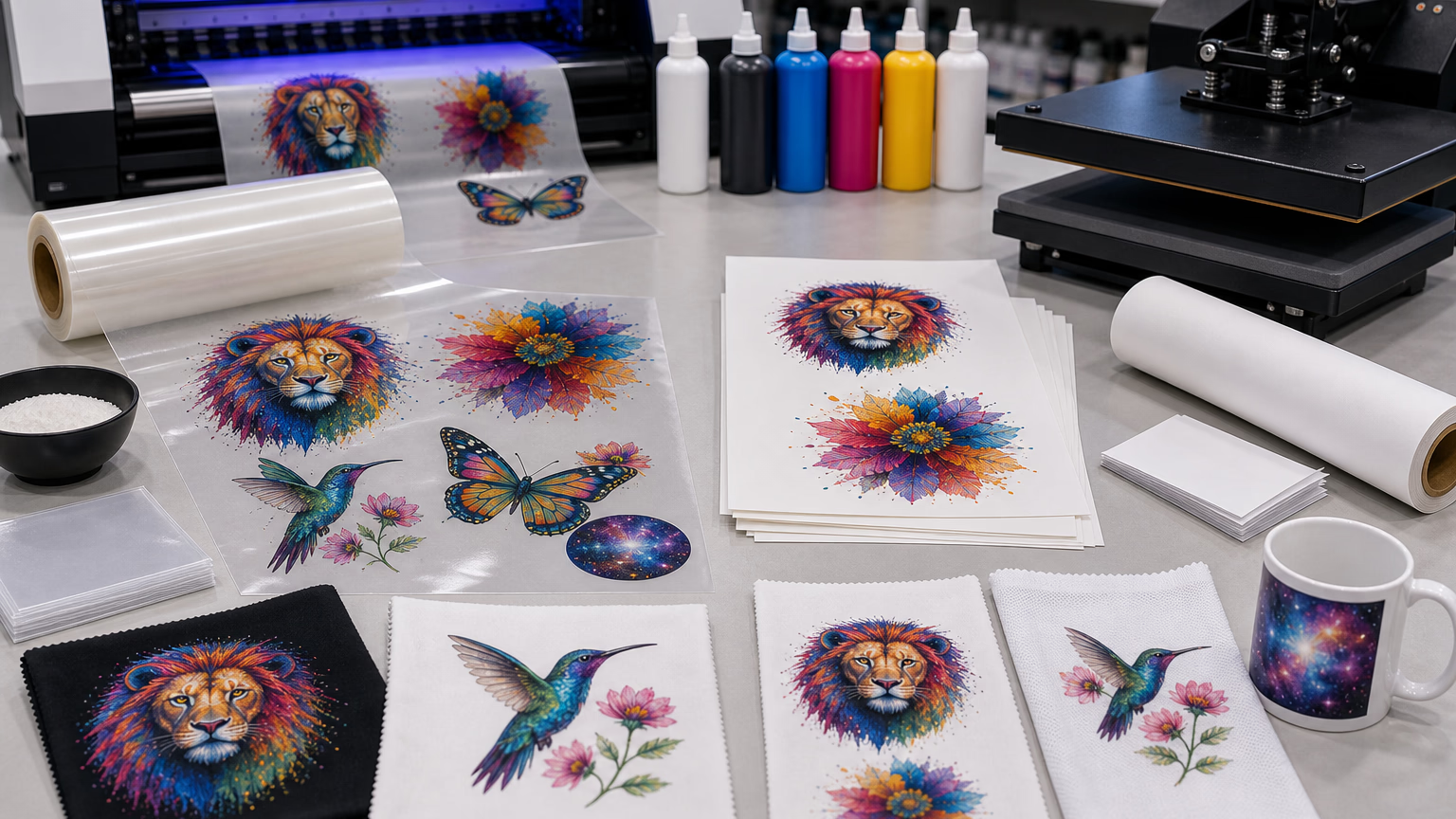
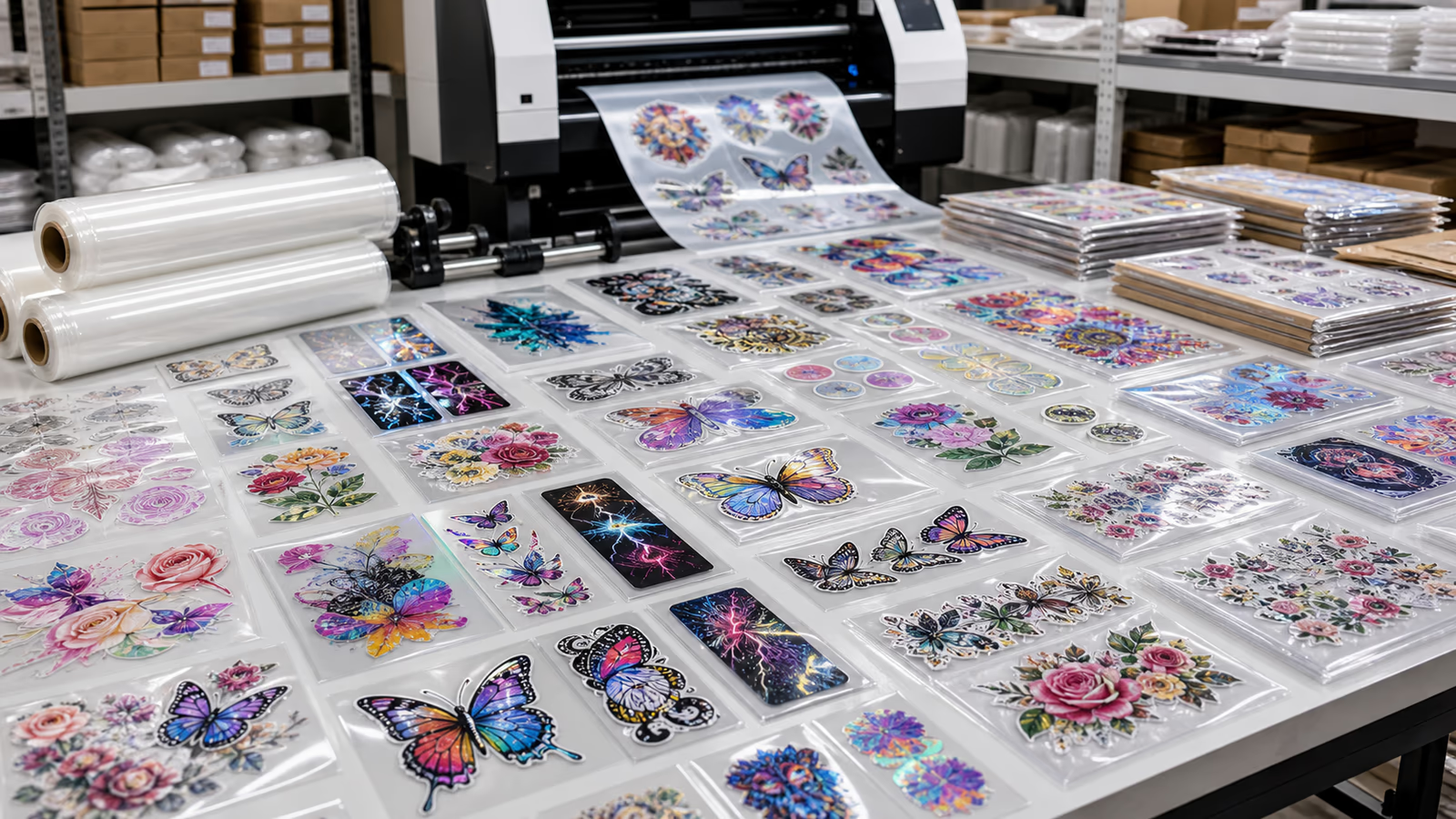
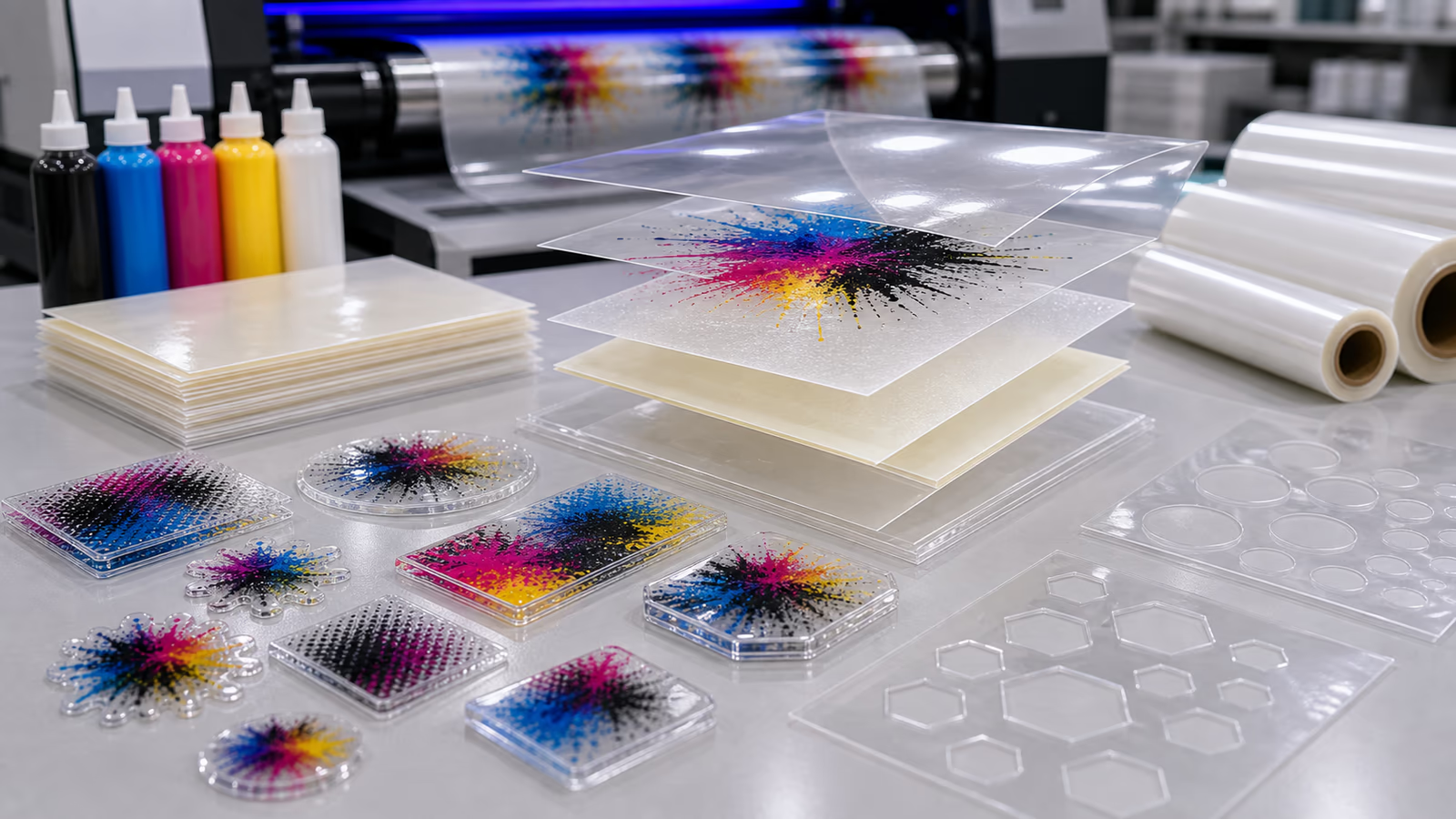
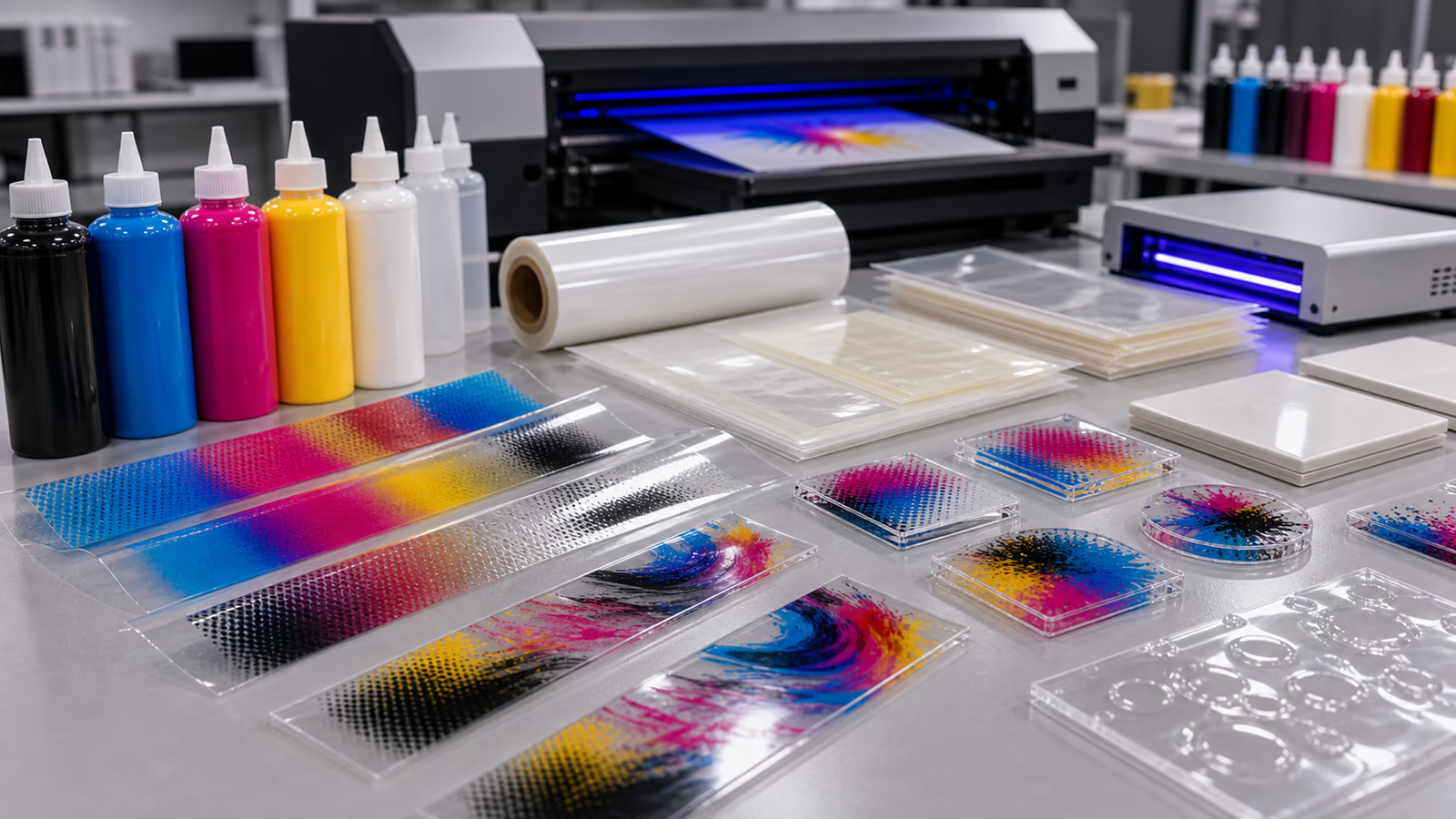
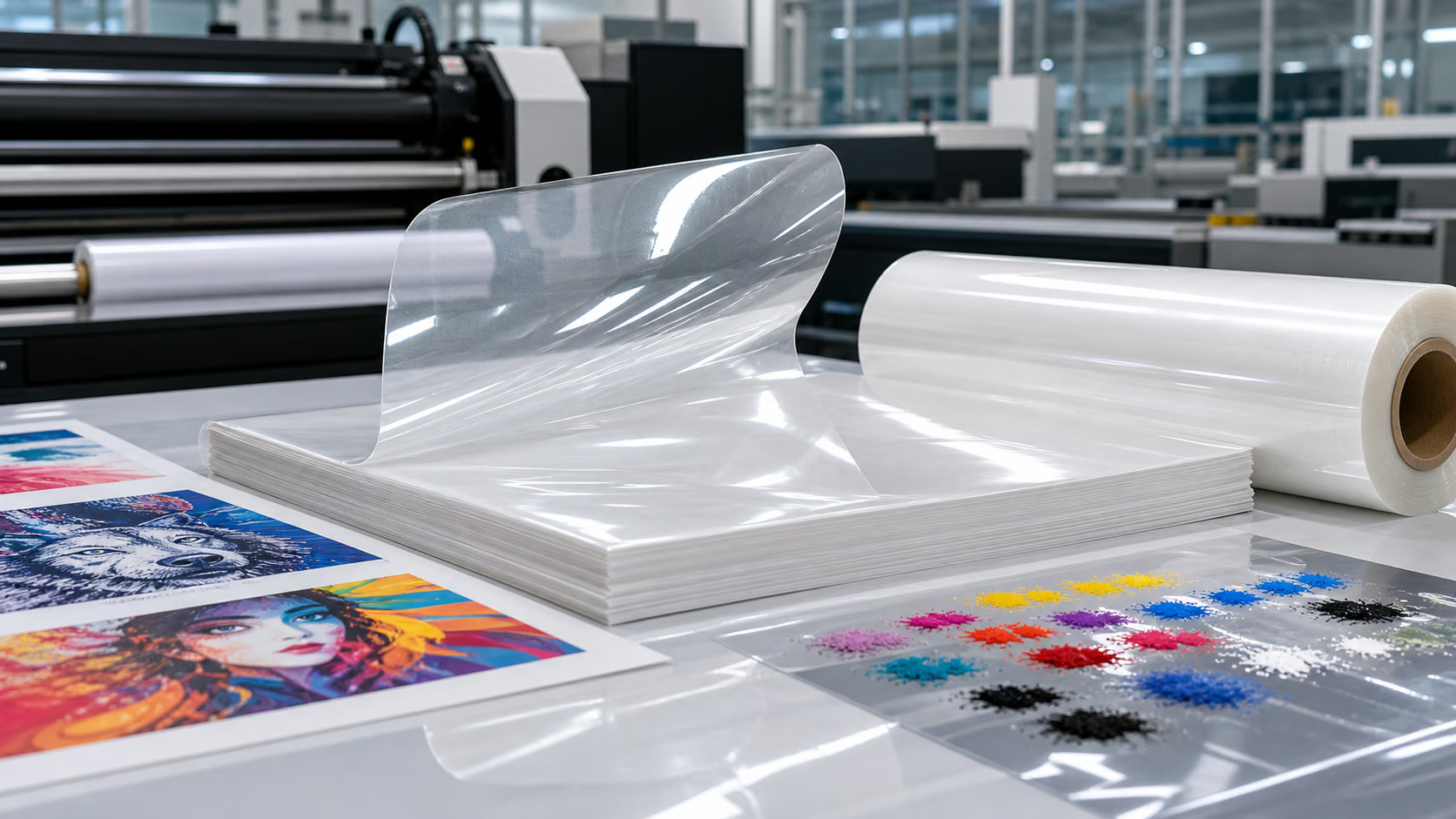
Faux Embroidery DTF Printing is an advanced digital transfer technique that leverages DTF technology to simulate the tactile and visual effect of traditional embroidery. Unlike conventional embroidery, which uses threads to create raised designs, this solution uses specialized DTF inks, hot-melt adhesive, and a layered printing process to build up a textured, 3D-like finish on fabric. The core workflow involves four key steps: first, designing the faux embroidery pattern using graphic software, optimizing it to replicate the density and texture of threadwork; second, printing the design onto DTF transfer film with high-precision print heads, often using multiple layers of ink to achieve the desired thickness; third, applying hot-melt adhesive powder to the printed design and curing it to fuse the ink layers; finally, heat-pressing the film onto the target apparel, transferring the textured design onto the fabric. The result is a design that closely mimics the look and feel of embroidery, without the limitations of thread-based techniques.
Key Advantages: Why Faux Embroidery DTF Outshines Traditional Embroidery
Faux Embroidery DTF Printing offers a host of advantages over traditional embroidery, making it a preferred choice for modern custom apparel production. These benefits address the long-standing pain points of embroidery, such as high costs, design restrictions, and limited fabric compatibility:
1. Unmatched Design Flexibility and Precision
Traditional embroidery struggles with intricate details, fine lines, and gradient colors, as it relies on thread placement. Faux Embroidery DTF, by contrast, excels at reproducing complex patterns, photographic elements, and smooth color transitions with pixel-perfect precision. Designers can create elaborate faux embroidery effects, from delicate floral motifs to bold logos, without the constraints of thread thickness or stitch limitations. Additionally, it supports full-color printing, allowing for vibrant, multi-hued designs that are difficult or impossible to achieve with traditional embroidery.
2. Cost-Efficiency for Small-Batch and Custom Production
Traditional embroidery requires time-consuming setup, including digitizing designs and threading needles, which makes it costly for small-batch or one-off custom orders. Faux Embroidery DTF eliminates these setup costs, as it uses digital files directly for printing. It also reduces material waste, as excess ink and adhesive can be recycled. For businesses and individuals looking to create custom apparel on demand, this solution offers a more affordable alternative, without compromising on the premium look of embroidery.
3. Broad Fabric Compatibility
Traditional embroidery can damage delicate fabrics, such as silk, lace, or lightweight cotton, due to the tension from stitching. Faux Embroidery DTF is gentle on fabrics, as it uses heat and pressure rather than needle penetration. It works seamlessly with a wide range of materials, including cotton, polyester, blends, spandex, and even delicate fabrics, expanding the possibilities for custom apparel design. This versatility makes it ideal for everything from casual t-shirts and hoodies to high-end dresses and activewear.
4. Lightweight and Comfortable Finish
Traditional embroidery can feel heavy and stiff on fabric, especially for large or dense designs, compromising the comfort of the wearer. Faux Embroidery DTF creates a lightweight, flexible finish that moves with the fabric. The textured design is soft to the touch, maintaining the garment’s breathability and comfort. This is a crucial advantage for apparel items that require ease of movement, such as sportswear or everyday clothing.
Transformative Applications in Custom Apparel
Faux Embroidery DTF Printing has found widespread application across the custom apparel industry, enabling a range of creative and commercial uses. Its versatility and premium finish make it suitable for various sectors:
1. Branded Apparel and Merchandise
Businesses and organizations are using Faux Embroidery DTF to create branded apparel, such as company t-shirts, employee uniforms, and promotional merchandise. The faux embroidery effect adds a premium, professional touch to logos and slogans, enhancing brand image without the high cost of traditional embroidery. It’s particularly popular among startups and small businesses looking to establish a polished brand identity on a budget.
2. Fashion and Streetwear
Fashion designers and streetwear brands are embracing Faux Embroidery DTF to create unique, on-trend designs. The technology allows for bold, textured graphics that stand out, from faux embroidery patches and logos to intricate all-over prints. It also enables quick adaptation to fashion trends, as designs can be updated and printed on demand, reducing lead times and inventory costs.
3. Customized Personal Apparel
For personalization services, such as custom t-shirts, hoodies, or hats, Faux Embroidery DTF offers a way to create one-of-a-kind pieces with a premium look. Customers can choose from a range of faux embroidery designs, or submit their own artwork, to create personalized gifts or self-expression apparel. The technology’s ability to handle small-batch orders makes it ideal for online custom apparel stores and local print shops.
4. Sports and Activewear
In the sports apparel sector, Faux Embroidery DTF is used to create team logos, player names, and decorative elements on jerseys, shorts, and jackets. The lightweight, flexible finish ensures that the apparel remains comfortable and functional during physical activity, while the durable print resists washing, fading, and stretching—critical for high-performance sportswear.
The Future of Faux Embroidery DTF: Innovations on the Horizon
As Faux Embroidery DTF Printing continues to gain popularity, ongoing technological advancements are set to further enhance its capabilities. Key areas of innovation include the development of new ink formulations that create even more realistic embroidery textures, such as varying thread thicknesses and stitch patterns. Additionally, advancements in print head technology will enable higher resolution and faster printing speeds, making the process even more efficient for large-scale production. The integration of smart technologies, such as QR code embedding within faux embroidery designs for product traceability, is also on the horizon. As these innovations unfold, Faux Embroidery DTF is poised to become an even more dominant force in the custom apparel industry, offering endless possibilities for creativity and personalization.
Conclusion: Redefining Custom Apparel Aesthetics
Faux Embroidery DTF Printing Solution represents a significant leap forward in custom apparel decoration, redefining the way we approach the classic look of embroidery. By combining the visual and tactile appeal of traditional embroidery with the flexibility, precision, and cost-efficiency of digital printing, it has opened up new avenues for creativity and accessibility. Whether for branded merchandise, fashion design, personalization, or sportswear, this technology empowers creators to deliver high-quality, stylish custom apparel that meets the demands of modern consumers. As the industry continues to evolve, Faux Embroidery DTF will undoubtedly remain at the forefront of innovation, shaping the future of custom apparel with precision and style.