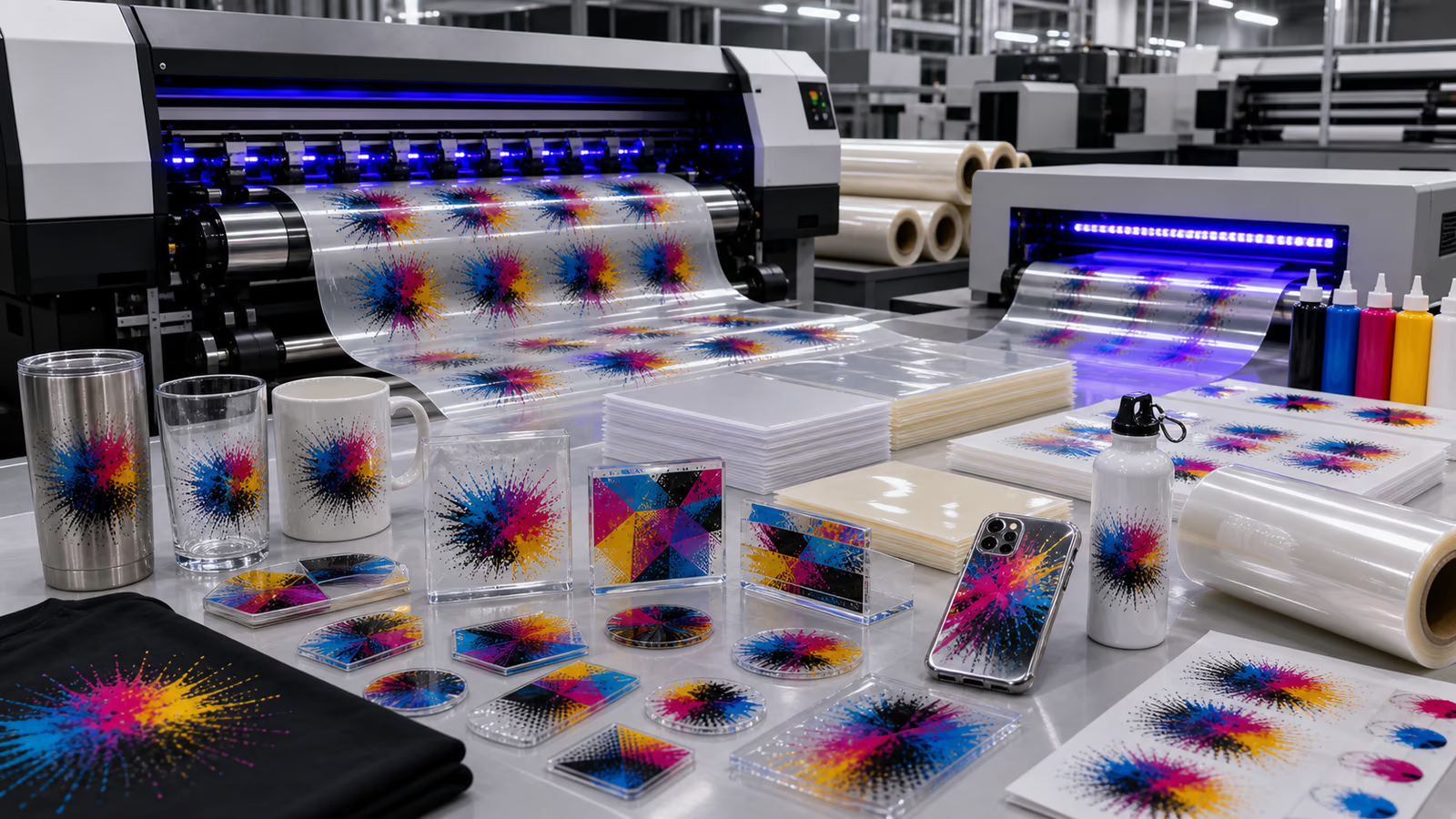
Textile printing has undergone a paradigm shift with the rise of DTF (Direct-to-Film) PET Film Transfer technology. Unlike traditional methods such as screen printing or DTG (Direct-to-Garment) that pose limitations in versatility and cost-efficiency, DTF PET film transfer merges precision, durability, and adaptability—redefining how custom designs come to life on fabrics. This article explores the innovation behind this technology and its transformative impact on the textile printing industry.
1. What Is DTF PET Film Transfer Printing?
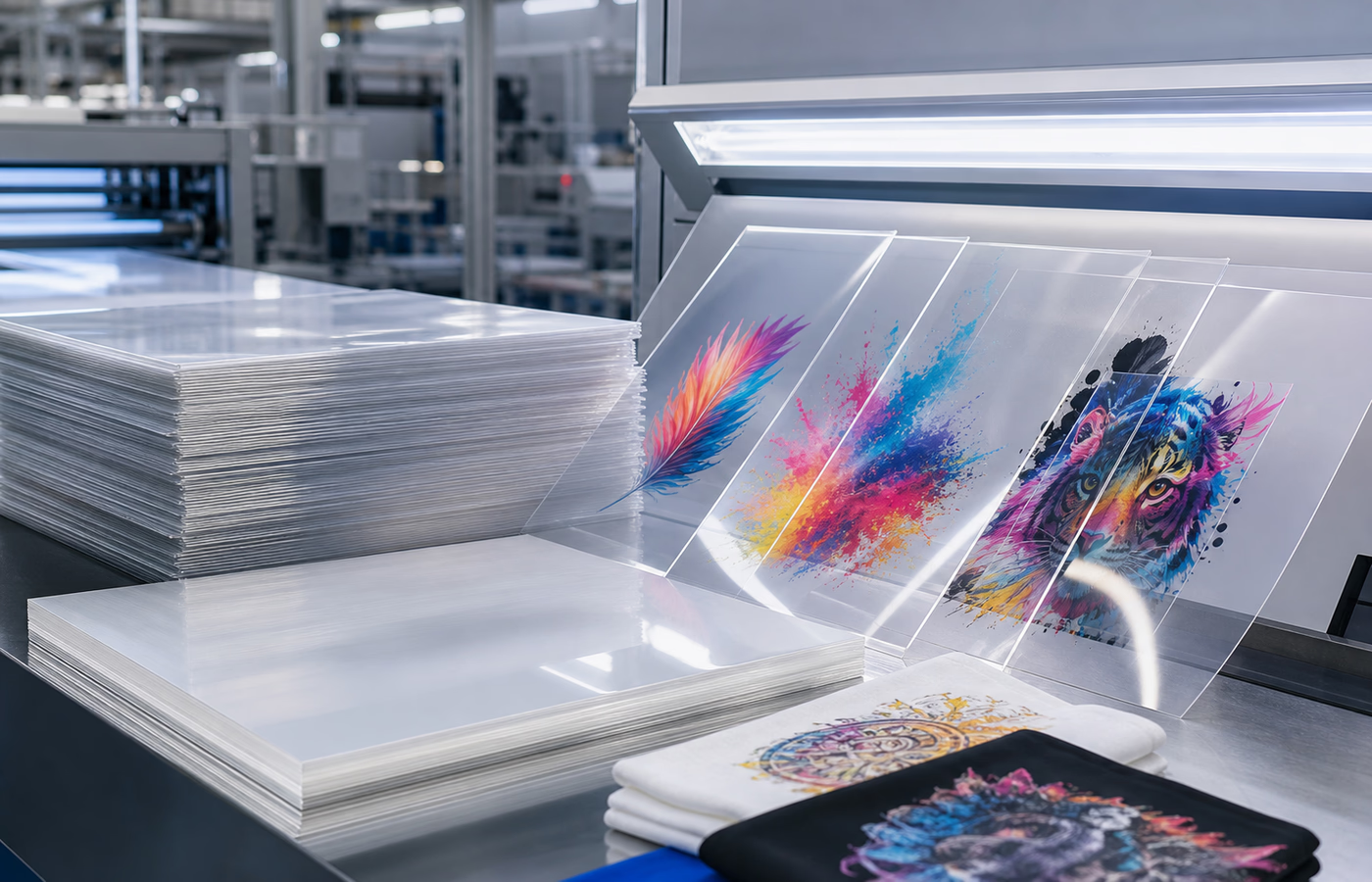
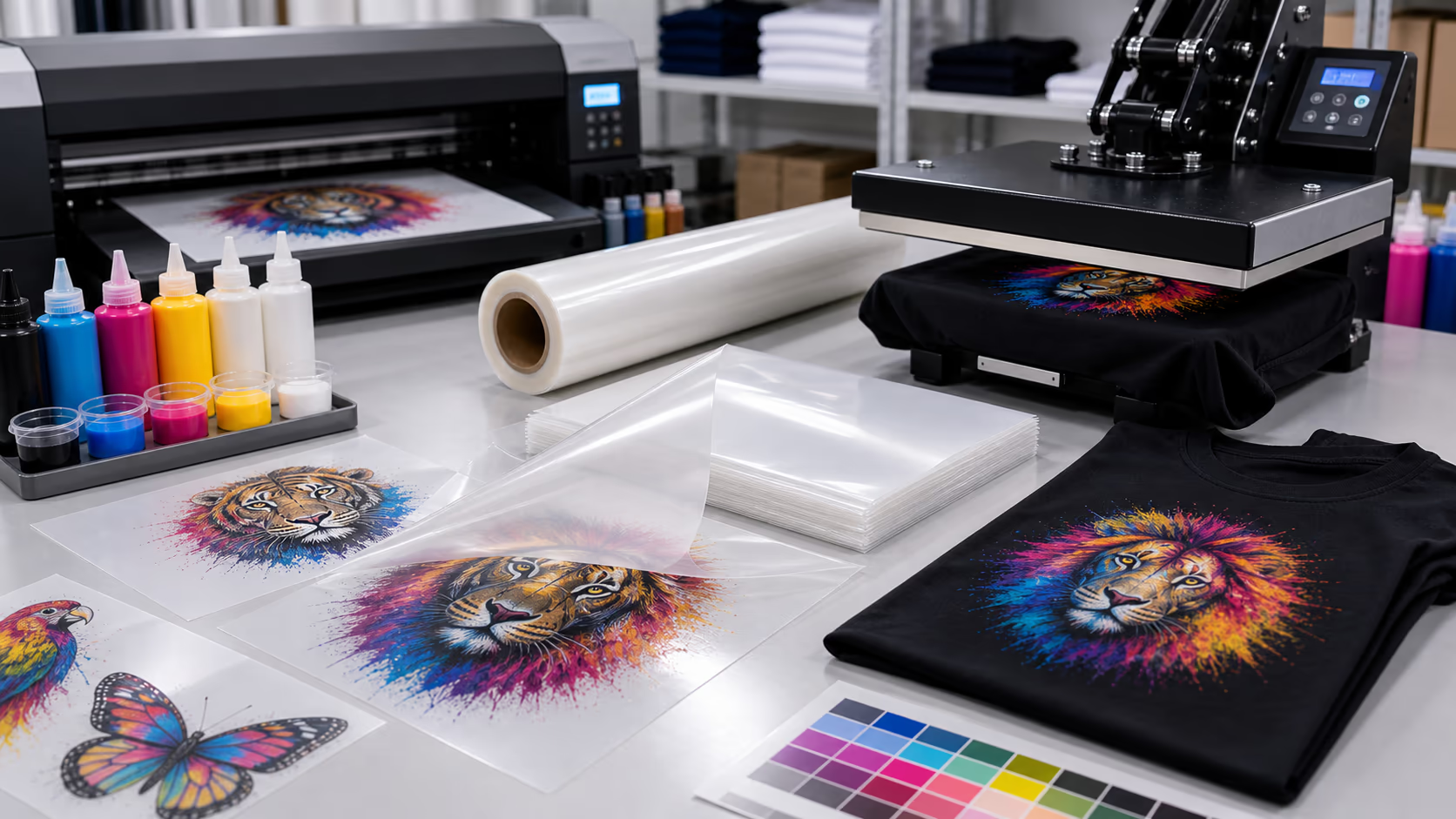
At its core, DTF PET film transfer printing uses specialized PET (polyethylene terephthalate) film as a temporary carrier for designs. The process involves printing ink onto the PET film’s ink-receptive coating, applying hot-melt adhesive powder, curing the assembly, and then transferring the design onto textiles via heat and pressure. The PET film’s synthetic structure ensures the ink adheres uniformly, while its rigidity allows for precise alignment—eliminating common issues like ink bleeding or uneven prints that plague older methods.
Unlike roll-format DTF films, PET variants offer enhanced structural stability, making them ideal for detailed textile designs, from intricate patterns on t-shirts to bold logos on sportswear.
2. Key Innovations: Why DTF PET Film Transforms Textile Printing
DTF PET film transfer stands out due to innovations that address longstanding pain points in textile printing, empowering businesses and creators alike.
Compatibility Across Fabric Types
Traditional DTG printing struggles with synthetic fabrics, while screen printing requires separate setups for different materials. DTF PET film transfer works seamlessly with cotton, polyester, blends, denim, and even leather. Its adhesive bonds securely to both natural and synthetic fibers, ensuring consistent results regardless of fabric texture or composition.
Vibrancy on Dark Fabrics Without Compromise
Dark textiles have long been a challenge, as light inks fade or appear muted. DTF PET film solves this by using a white ink underbase printed directly on the film. The PET carrier’s stability ensures the white layer applies evenly, creating a bright foundation for CMYK inks. This results in vivid, fade-resistant designs that pop on black, navy, or charcoal fabrics—no pre-treatment required.
Cost-Efficiency for Small to Medium Batches
Screen printing demands expensive stencils and long setup times, making small runs unprofitable. DTF PET film transfer eliminates stencil costs and reduces setup time to minutes. Creators can print 1 to 500 units cost-effectively, catering to on-demand orders, limited-edition collections, and personalized merchandise— a game-changer for small businesses and independent designers.
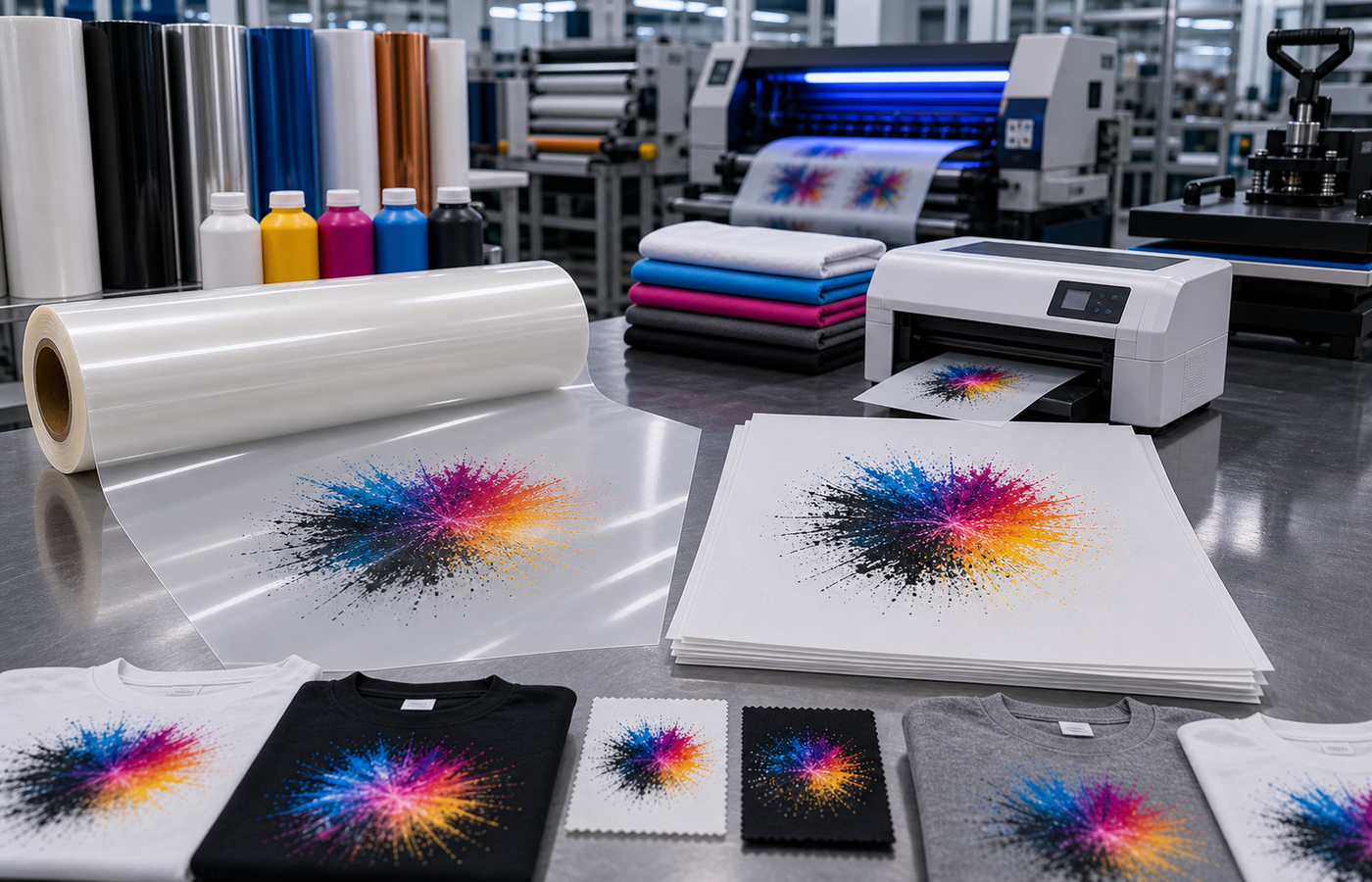
3. The Textile Printing Workflow: How DTF PET Film Delivers Results
The DTF PET film transfer process is streamlined yet precise, designed for both industrial and studio environments:
- Design Prep: Load digital designs into DTF software, enabling the white ink layer for dark fabrics. Adjust size to fit the textile (e.g., t-shirt, hoodie).
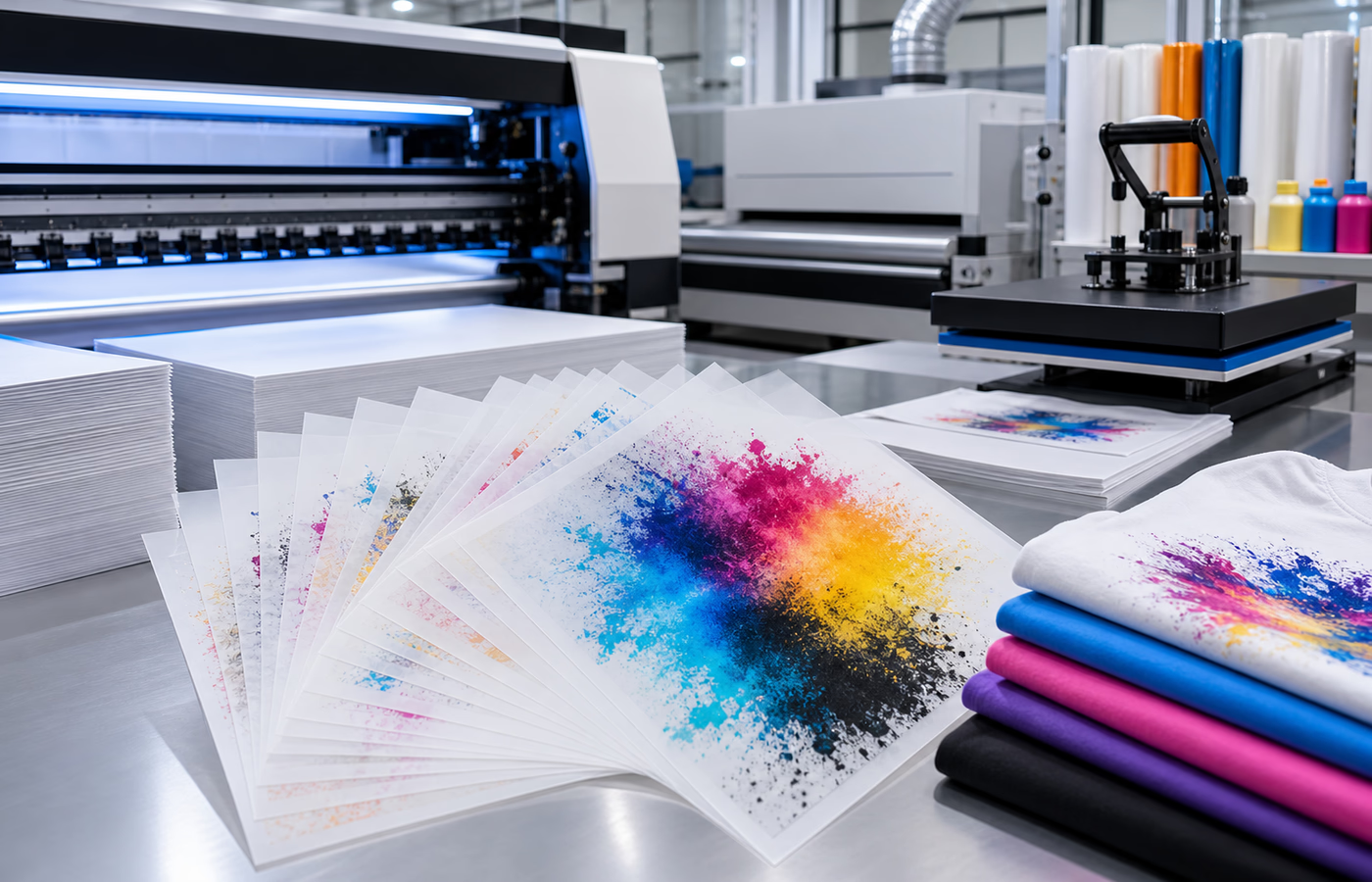
- Print & Powder: Print the design onto PET film (white ink first, then CMYK). Immediately apply hot-melt powder to the wet ink, removing excess to avoid clumping.
- Cure: Heat the film in an oven (160–180°C) for 2–3 minutes to melt the powder into a flexible adhesive layer.
- Transfer: Preheat the heat press (180–200°C), place the film (design side down) on the textile, and apply pressure for 10–15 seconds. Peel the film slowly to reveal the finished print.
4. Real-World Applications: Where DTF PET Film Shines in Textiles
The versatility of DTF PET film transfer has expanded its use across key textile sectors:
Fashion & Apparel
Designers use the technology for statement pieces—from graphic tees and athletic wear to high-end denim. The smooth, durable finish maintains flexibility, ensuring prints move with the fabric without cracking.
Branded Merchandise
Businesses create custom hoodies, tote bags, and caps with vibrant logos. DTF PET film’s durability ensures prints withstand repeated washes, preserving brand visibility for years.
Custom Textiles for Events
Event organizers rely on quick-turnaround prints for concert merch, marathon shirts, or trade show giveaways. DTF PET film’s fast setup allows for last-minute design tweaks and rapid production.
5. Future Trends: DTF PET Film’s Role in the Next Era of Textile Printing
As the textile industry embraces sustainability and personalization, DTF PET film transfer is poised to lead further innovation. Manufacturers are developing eco-friendly PET films made from recycled materials, while advances in ink technology are reducing environmental impact. Additionally, AI-driven software integration will enhance design precision and workflow efficiency, making the technology even more accessible to creators worldwide.
Conclusion: A New Standard for Textile Printing
DTF PET film transfer printing has revolutionized textile printing by combining versatility, quality, and cost-efficiency. Its ability to handle diverse fabrics, deliver vibrant prints on dark textiles, and support small-batch production has democratized custom textile creation. For businesses, designers, and hobbyists, this technology is not just a tool—it’s a gateway to endless creative possibilities, setting a new standard for what’s possible in the world of textile printing.